The right Aluminum Foil Jumbo Roll is all about the alloy, thickness and width for your finished product, not just the cheapest gage available. This guide simplifies specifications by the five most common end uses, making it easier to order the right jumbo roll the first time, rather than, more often than not, finding a mismatch on your converting line.

What Is a Jumbo Roll?
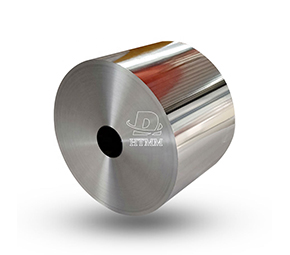
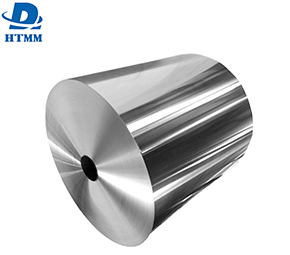
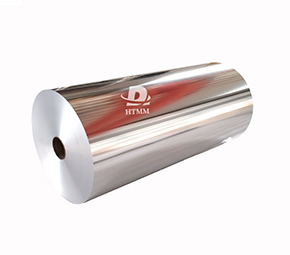
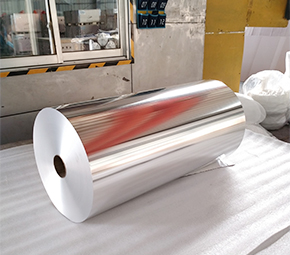
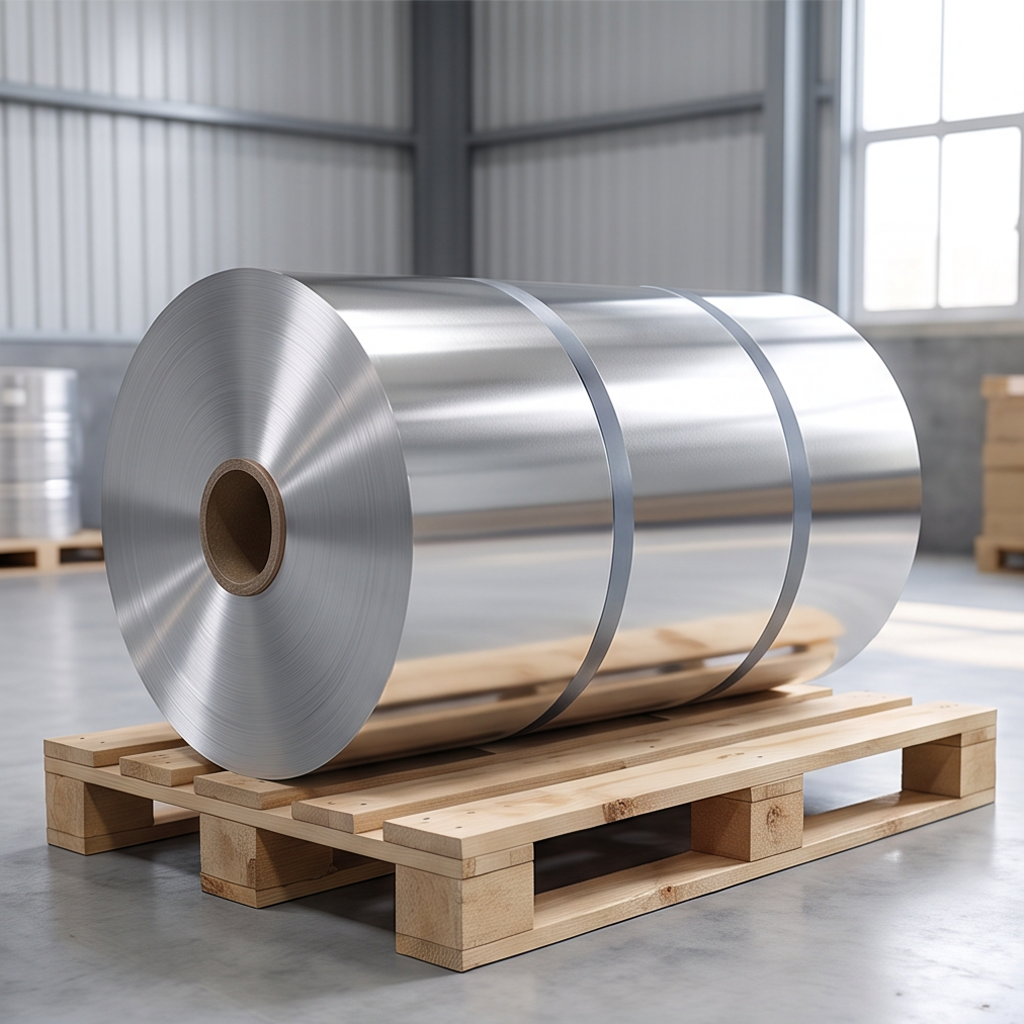 An aluminum foil jumbo roll is a large un-rewound coil of foil, supplied direct from the rolling mill — also known as a mother roll or master roll. It is not a finished product. It is an intermediate material.
Converters rewind, slit, laminate or coat jumbo rolls into the finished goods consumers or industrial buyers actually use – retail kitchen foil, food containers, lidding foil or laminated packaging film. Getting the alloy, thickness and width right at the sourcing stage avoids expensive rework downstream because the specification of the jumbo roll carries through to the finished product.
Manufacturers who create household aluminium foil, as well as food packaging, flexible packaging, pharmaceuticals, and any secondary products, need to buy the right aluminium foil jumbo roll to ensure the production goes smoothly and the product retains high quality. Compared to purchasing ready-made small rolls, buying jumbo variants is likely to give greater opportunities in slitting, winding, printing, laminating, and other converting processes.
Common Alu Foil Alloys
You should choose an alloy based on your end use, not the reverse. Below is a summary table of which alloys fit which application before we go into detail.
| End Use | Common Alloy(s) |
|---|---|
| Household foil | 8011 |
| Flexible packaging | 8011 / 1235 / 8079 |
| Container foil | 8011 / 3003 / 3004 |
| Heat sealing foil | 8011 |
| Industrial foil | 8011 / 1235 / 8079 / 3003 |
Household Aluminium Foil Alloy
Most household foil is made from 8011, which is a compromise between formability, strength and cost for retail kitchen foil rolls. It can be handled for folding and tearing for consumer use without over-specification for the application.
Flexible Packaging Aluminium Foil Alloy
Flexible Packaging Foil Is Usually 8011, 1235 Or 8079 Chosen By Required Thickness And Barrier Performance. 1235 provides high ductility for lamination at slightly thicker gages. 8079, with a higher iron content, improves pinhole resistance at ultra thin gages and is the preferred choice below 0.009mm.
Container Aluminium Foil Alloy
For semi-rigid containers, greater mechanical strength is needed than for packaging foil, and for this reason, **8011, 3003 or 3004** are used. 3003 and 3004 contain manganese for added strength, allowing containers to hold their shape through filling, sealing and food service handling without 8011's thickness penalty.
Heat Sealing Aluminium Foil Alloy
Heat sealing (lidding) foil is normally **8011**, coated on one side with a heat-seal lacquer, which sticks to the rim of the container when heat and pressure are applied. For most lidding applications, the base foil alloy remains the same, the coating is what varies depending on the end use (yogurt, dairy, pharmaceutical blister lidding).
Industrial Aluminium Foil Alloy
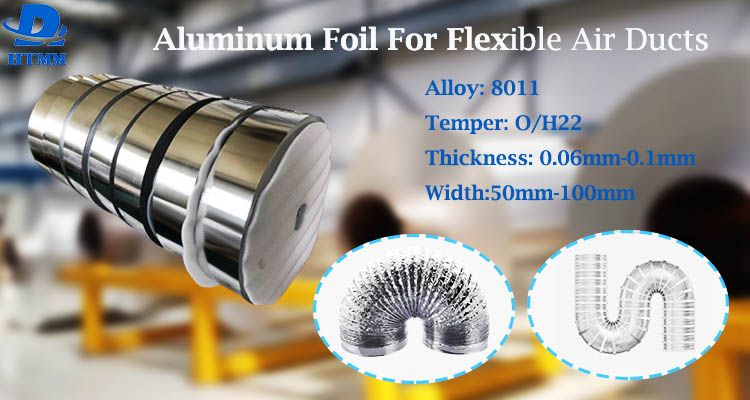
Industrial applications have the widest range of alloys - 8011, 1235, 8079 or 3003. ""Industrial"" includes cable wrap, insulation facing, HVAC duct tape backing and capacitor foil - each with different strength and conductivity requirements. 1235 is pure and is ideal for electrical applications and 3003 is good for mechanically demanding uses like duct facing.
Aluminium Foil Thickness
Thickness ranges vary significantly by end use — ordering the wrong range either wastes material cost or risks pinhole failure.
| End Use | Typical Thickness |
|---|---|
| Household foil | 0.009mm – 0.020mm |
| Flexible packaging | 0.006mm – 0.009mm |
| Container foil | 0.030mm – 0.150mm |
| Heat sealing foil | 0.020mm – 0.090mm |
| Industrial foil | 0.020mm – 0.200mm |
Household Aluminium Foil Thickness
Household foil jumbo rolls are typically between 0.009mm-0.020mm, with 0.012mm being a typical mid-market gage for retail kitchen foil. Thinner gages (~0.010mm) reduce the cost of material but increase the chance of tearing during consumer use.
Flexible Packaging Aluminium Foil Thickness
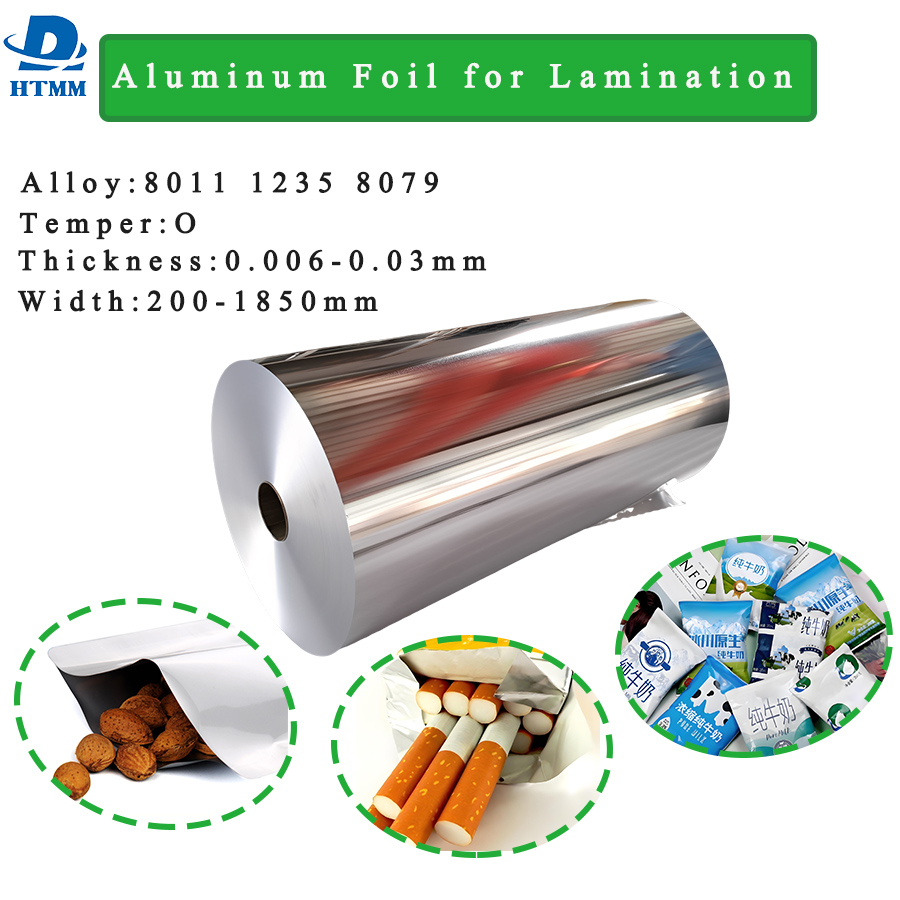
The lightest gage product is flexible packaging foil, usually 0.006–0.009 mm, which is laminated onto a paper or plastic substrate that provides most of the structural strength. In this gage range, the control of pinholes is critically dependent upon the alloy (8079 vs 1235).
Container Aluminium Foil Thickness
Container foil is much heavier, 0.030mm to 0.150mm depending on container size and rigidity needs. This range is thicker at one end for larger catering trays and thinner for small takeaway containers to control cost.
Heat Sealing Aluminium Foil Thickness
Lidding foil is typically available in the range of 0.020mm–0.090mm, the precise gage being dictated by the container material to be sealed and the strength of the seal required. Lidding for yogurt and dairy is usually on the thinner side, while heavier gage is used for more demanding pharmaceutical or chemical container lidding.
Industrial Aluminium Foil Thickness
Industrial foil covers the widest range, 0.020mm–0.200mm, as cable wrap, HVAC facing, and capacitor foil have very different mechanical requirements. Don't assume a generic ""industrial"" thickness but specify your exact application."
Aluminum Foil Width
Make sure that the width of the jumbo roll matches the width of your own rewinding or converting machine before you order the jumbo roll. A mismatched width is one of the most common reasons for line downtime.
| End Use | Typical Jumbo Roll Width |
|---|---|
| Household foil | 270mm – 600mm |
| Flexible packaging | 200mm – 1850mm |
| Container foil | 200mm – 1250mm |
| Heat sealing foil | 100mm – 1600mm |
| Industrial foil | 50mm – 1600mm |
Household Aluminum Foil Width
Household aluminum foil is typically supplied in large rolls ranging from 270 mm to 600 mm in width; processors then convert these into smaller retail rolls of varying lengths on their own production lines.
Flexible Packaging Aluminium Foil Width
Flexible packaging foil is normally supplied in widths of 200 mm to 1850 mm depending on the web width of the lamination line. Jumbo roll width should match your laminator, not your finished pouch size, as laminators often run wider than final packaging width.
Container Aluminium Foil Width
Container foil width is 200mm–1250mm, generally smaller than that of packaging foil as container-forming presses have narrower feed widths. Specify, but be sure to check your press's maximum feed width.Heat Sealing Aluminium Foil Width
Lidding foil comes in a wide variety of widths from 100mm to 1600mm, as lidding machines vary enormously depending on the size of the container – anything from small individual yogurt pots to large catering trays.Industrial Aluminium Foil Width
Industrial foil is available in widths from 50mm to 1600mm depending upon the converting equipment it is to be used in (cable wrapping lines, duct tape laminators, capacitor winding machines, etc.) each of which has a standardfeed width.

Aluminum Foil Applications
| End Use | Typical Applications |
|---|---|
| Household foil | Retail kitchen foil, food wrap, oven cooking foil |
| Flexible packaging | Chocolate and candy wrap, cigarette inner liner, coffee and snack pouches, retort pouch lamination |
| Container foil | Takeaway food containers, catering trays, semi-rigid food containers, pet food trays |
| Heat sealing foil | Yogurt and dairy lidding, pharmaceutical blister lidding, beverage cup sealing, chemical container sealing |
| Industrial foil | Cable and wire wrap, HVAC duct insulation facing, capacitor foil, building insulation facing |
Household Aluminium Foil Applications
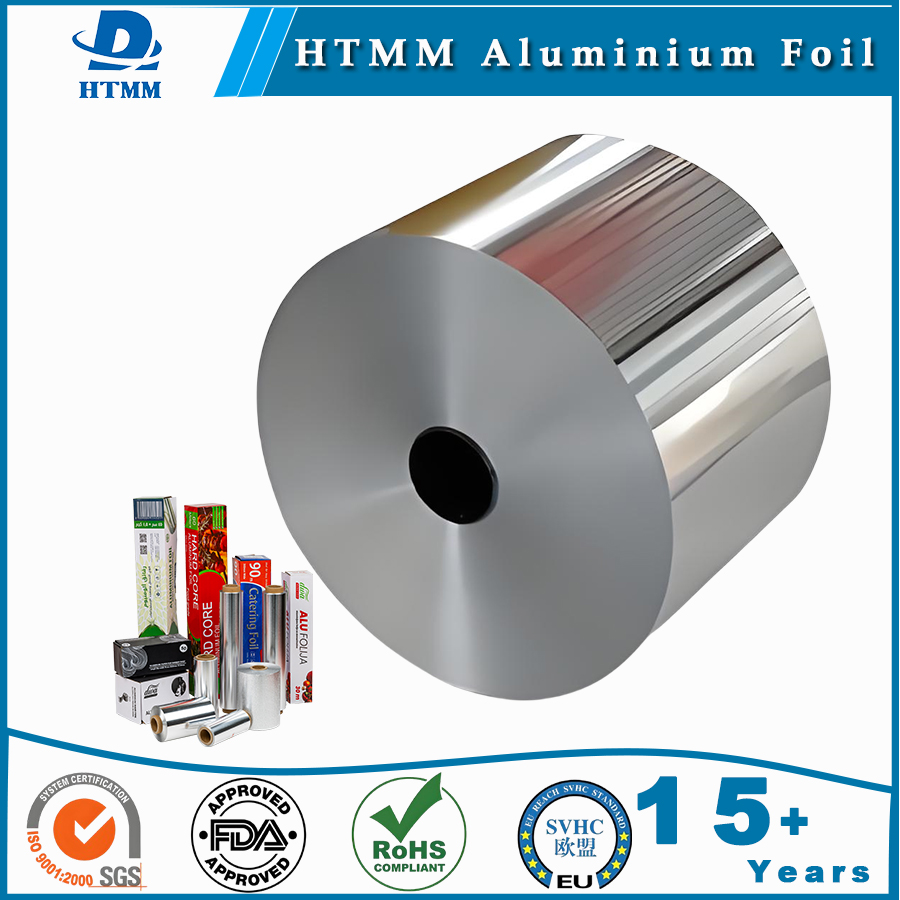
Household foil is more than just kitchen wrap; it includes oven-safe cooking foil and food storage wrap, with performance requirements mainly concerning consumer handling and heat resistance.
Flexible Packaging Aluminium Foil Applications
Flexible packaging foil serves as the barrier layer in laminated structures for chocolate and candy wrap, cigaret inner liner, coffee and snack pouches, and retort pouch lamination, with the main function being oxygen and moisture barrier performance.
Container Aluminium Foil Applications
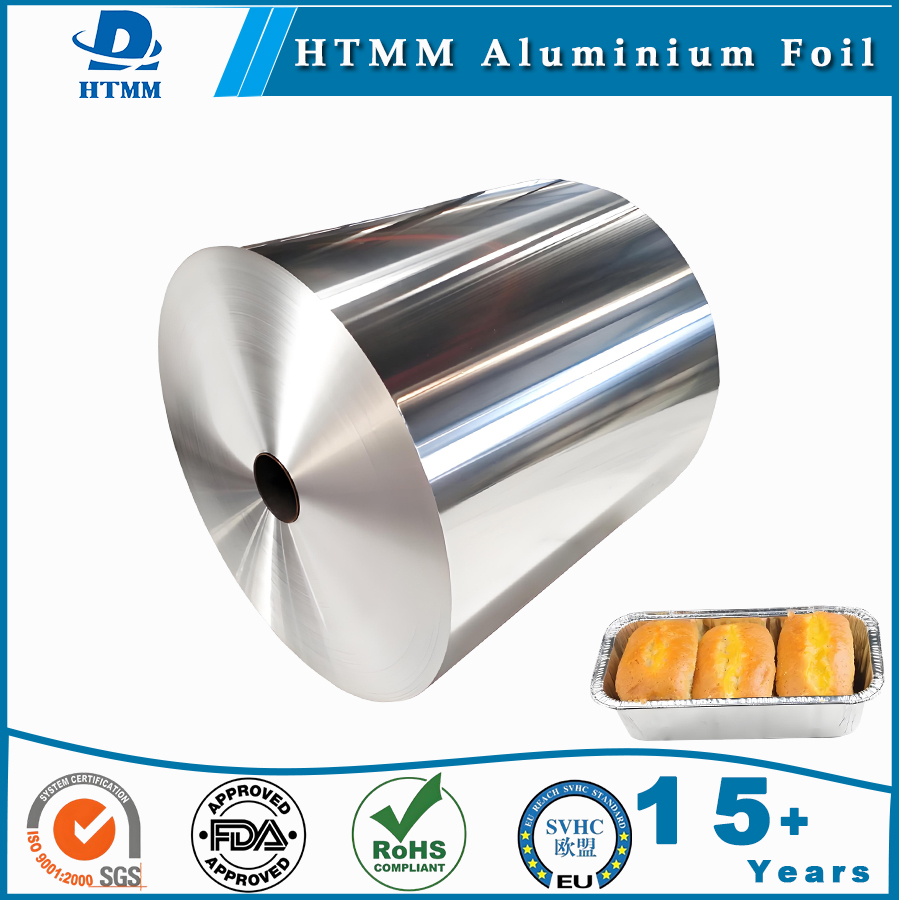
The foil used for takeaway food containers, catering trays, semi-rigid food containers and pet food trays is container foil, where the foil itself provides the structural support and is not a separate substrate.
Heat Sealing Aluminium Foil Applications
Lidding foil is used to seal yogurt and dairy cups, pharmaceutical blister packs, beverage cups and chemical containers. The heat-seal coating is designed to adhere specifically to the container material (PP, PS or glass).

Industrial Aluminium Foil Applications
Industrial foil is used in cable and wire wrap for shielding, HVAC duct insulation facing, capacitor winding, and building insulation facing where electrical or thermal performance is more important than visual finish.
Aluminium Foil Core & Packaging
In making purchases, core specifications are sometimes neglected even though they are very important in purchasing. Buyers are required to provide specifications on inner diameter, material and strength of the core, as well as its deformation capacity.
Common core sizes include 76 mm or 152 mm which vary with the type of material and converting processes.
Outside packaging must also protect aluminium foil huge rolls from moisture, dust, impact and corrosion while in storage and transit. Export packaging typically consists of moisture-resistant layer, strong pallets or containers, protective band, and correct wrapping.
For long-distance shipping, packaging has to be of high quality since damages incurred at the edge of the roll as well as moisture absorption may prevent its successful conversion into the final product.
FAQ
1. What is the MOQ for aluminium foil jumbo roll?
MOQ is determined by the provider, the alloy, its thickness and width, and the production requirements. It may be indicated in tons, kilograms, or rolls. Customers need to clarify the MOQ for each specification before placing an order.
2. How should aluminium foil jumbo rolls be packed for export?
Jumbo rolls should be protected against moisture, condensation, dust, impact, and edge damages. Export packing usually consists of moisture-resistant wrapping, proper pallets or boxes, and edge protection.
3. How should aluminium foil jumbo rolls be stored?
Store them in a clean, dry, well-ventilated place, protected from rain, condensation, high humidity, and corrosive materials and avoid sudden temperature changes that may cause moisture condensation on the foil.
4. What quality documents can the supplier provide?
The documents vary depending on the requirements of the order; the suppliers may provide TDS (Technical Data Sheet), COA (Certificate of Analysis), COC (Certificate of Conformity), inspection report, material certificate, and other quality documentation.
5. How to choose a good aluminium foil supplier?
Do not evaluate the suppliers only based on prices. Pay attention to foil quality, thickness consistency, surface quality, pinhole control, production capabilities, customization, lead time, export ect.
Get a Alu Foil Quote
Tell us your end use – household, flexible packaging, container, heat sealing or industrial – and we will suggest the best matched alloy, thickness and width, along with a live specification sheet and quote.