1. 6 Micron Aluminium Foil Quality Control : Don’t just look at samples; Batch production and testing testing
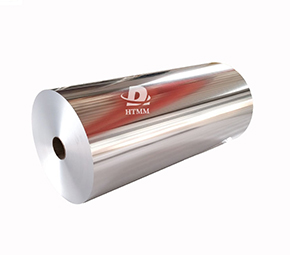
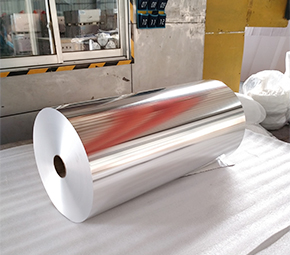
Quality is the primary hurdle when choosing a Alu Foil manufacturer—and it's the one area where you just can't compromise. With a thickness of only 0.006 mm, 6 micron aluminum foil is highly susceptible to three common problems during production: excessive pinholes, uneven thickness and surface oil contamination. Many manufacturers will present you with flawless samples, but their true capabilities—or lack thereof—are often revealed once large-scale batch production begins.
How can one determine whether a Alu Foil manufacturer’s standards are truly reliable? Remember these practical procedures: Request a pinhole detection report first. Reputable manufacturers use inline pinhole detectors directly on their production lines, which provide real-time information on the number and size of pinholes found in each roll of foil. Second, check thickness uniformity. Use a micrometer to take random measurements at five or six different points across the foil;
2. Delivery Time: Many purchasing professionals have learned this lesson the hard way:
Aluminium foil manufacturer can confidently promise delivery within two weeks, only to have the order "on production schedule" by the third week. Meanwhile, the production line sits idle waiting for aluminum foil to arrive—resulting in millions of dollars in financial losses every day. The manufacturing process of 6 micron aluminum foil involves many stages—melting, continuous casting and rolling, cold rolling, foil rolling, slitting, annealing and packaging; A snag in either step can delay. Moreover, this material cannot be rushed; Attempts to accelerate schedules often lead to quality defects.
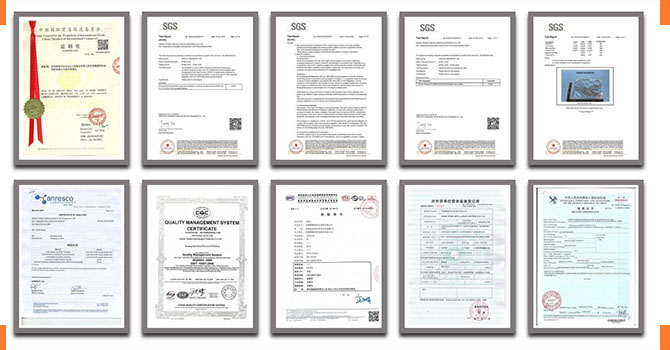
Relevant certifications serve as strict prerequisites for supplying or exporting food-grade aluminum foil to major manufacturers. Domestic regulations require a production license (QS) for food-related products; FDA test reports are required for export to the United States; Exports to Europe must comply with EU standards; and ISO 22000 Food Safety Management System certification is a widely recognized global standard. But be aware: having a certificate does not guarantee that every batch of products is compliant. Many manufacturers obtain their certification by submitting specific, hand-picked samples for testing rather than through random batch inspections.
How can you check the authenticity and validity of the certificate?
The most practical advice: Before ordering, spend a few thousand yuan to send the manufacturer-provided samples to a third-party testing organization—such as SGS, CTI or Intertech—and independently test them yourself. This investment is well worth it; It saves you a hundred times more hassle than having to file a claim and later defend your rights when quality issues arise.
4. Experience exporting: protecting you from unexpected complications
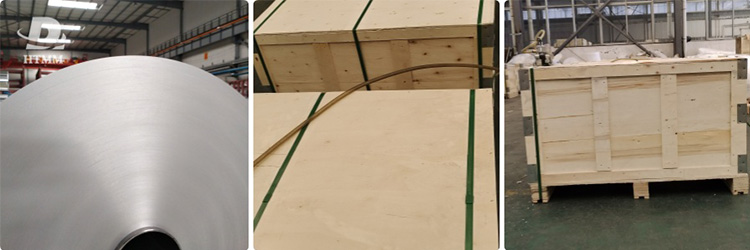
If you are engaged in exporting rather than domestic sales, a aluminum foil manufacturer’s exporting experience directly determines your delivery lead time and customs clearance costs. Experienced manufacturers understand that regulations vary from country to country: the Japanese market dislikes the use of plastic core tubes; In Europe, pallets must be accompanied by a smoking certificate; The United States imposes particularly stringent requirements on moisture-proof packaging; And some Middle Eastern nations do not accept packaging products containing animal fat. An inexperienced manufacturer may ship goods to a port only to discover—too late—that the packaging fails to meet the requirements of the destination port. This can lead to costly setbacks involving return shipments, reworks and reshipments—a back and forth process that can easily cost tens of thousands of dollars.
5. After Sales Service: Having someone to solve problems is paramount
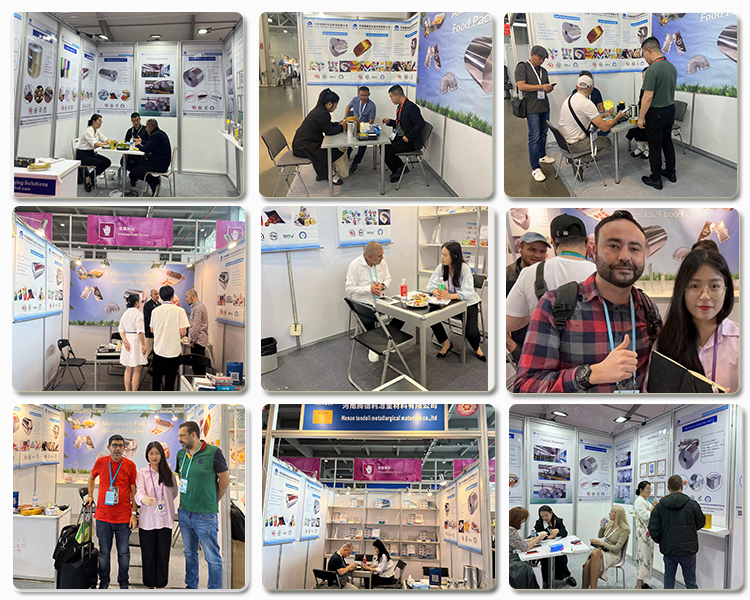
Many people tend to overlook this aspect, arguing that since Aluminum Foil is not a high-tech product, after-sales service is unnecessary. However, once you actually run into an issue, you'll quickly realize just how critical after-sales support really is. Typical problems include: discovering creases or breaks in aluminum foil during delivery; surface oxidation or discoloration after a period of storage; or frequent breakage of foil during machine processing. These problems are not necessarily the manufacturer's fault—they can stem from transportation or storage conditions—but in such cases, you may need to send personnel to the site to determine the root cause and provide a workable solution to the manufacturer.
How can you determine if a manufacturer’s delivery lead time is reliable? Start by clarifying a few key technical metrics: How many foil rolling mills are in the factory? Are they single stand mills or double stand mills? How old is the equipment? These factors directly determine the production capacity and operational stability of the facility. Next, inquire about the status of their raw material inventory: Does the manufacturer maintain a standing stock of slabs needed to produce 6 micron foil, or does it purchase only after receiving an order? Manufacturers who maintain standing inventory can usually shorten delivery lead times by at least a week. Finally, ask a critical question: "If I need to expedite the order, what is the absolute fastest possible delivery time? How is the rush fee calculated?"—this line of inquiry serves as a litmus test for gauging the manufacturer's true productivity.