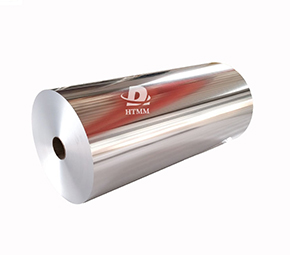
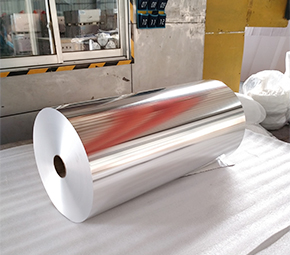
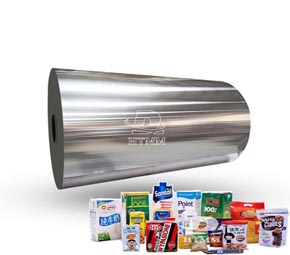
It's not aluminum foil, it's ultra-thin aluminum foil from Asia.
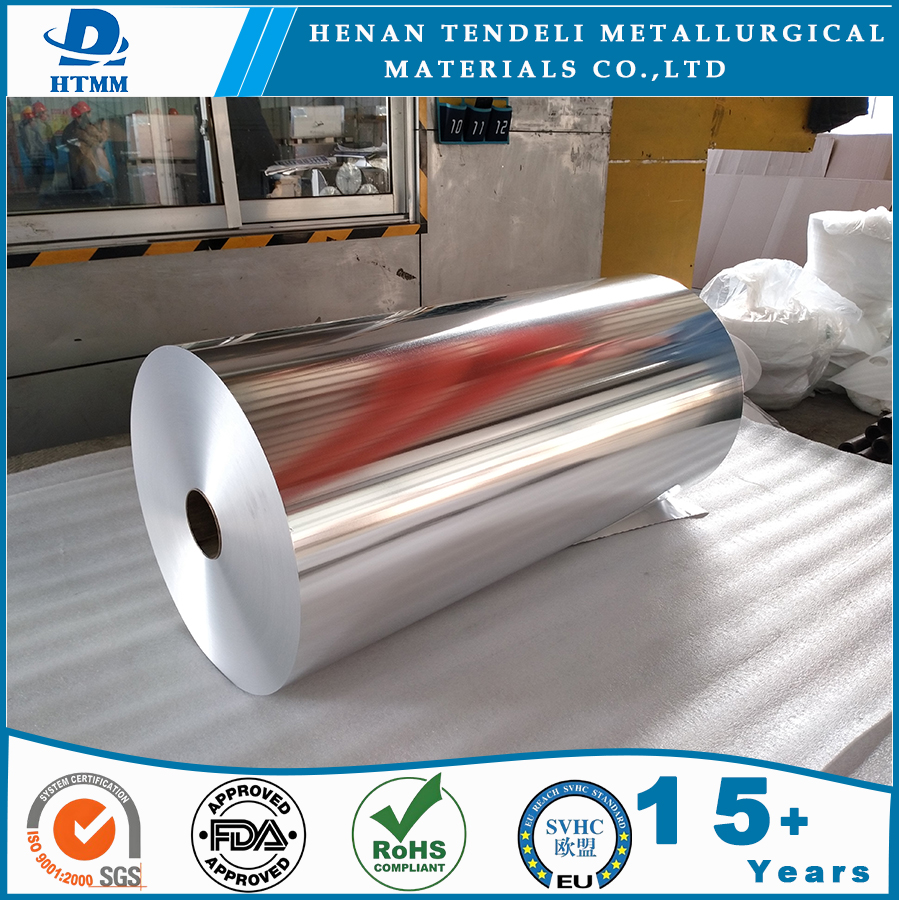
When we drink a box of milk or a bag of juice every day, most consumers do not know that the packaging material of the product contains an extremely valuable core material: ultra-thin 8079 alloy composite aluminum foil. It's not the usual oven-cooking "aluminum foil" you see in supermarkets, but "double zero" aluminum foil with a thickness of 9 micrometers. The original 7.5 mm aluminum foil raw materials is manufactured through a 18 precision rolling process. The thickness of the visible aluminum metal can be changed to 0.009 mm ultra-thin metal. This is about one-tenth the diameter of a human hair, and when the material is spread flat, when viewed with an electron microscope, it is only the thickness of a bacterium.
Why is alloy 8079 the standard for food packaging protection?
In the world of aluminum foil, there are alloy plates that combine various components and performance. The reason why 8079 alloy is currently the mainstream industrial material for aseptic food packaging by aluminum foil processors in Asia is "its paranormal coat strength, high resistance to molding and excellent thin composite split adaptability". According to the quality control standards of current international leading aluminum foil processors, foil stamping on 8079-o alloy plates must achieve very high strength indicators before final delivery: its tensile strength is 90-110 mpar The post-rupture elongation is between 13% and 18% and the cup value is controlled stably between 6.2 and 7.3 mm. What is the concept? This can meet the tensile force accuracy of 8059 tons, the industrial equipment in the high-speed pipeline of 750 meters per minute continuous cutting, cutting, flat surface and non-creeping technology under the complex industrial conditions The safety of meeting redundancy.
More importantly, 8079 aluminum foil through the ultra-high temperature clean oil removal process treatment, the finished product can really achieve the surface of oil contamination, needle holes, uneven points, scratches, oxidation, foreign body wrinkles and other strict quality control standards. In Asia, in the aluminum composite foil processing plant line, the enterprise has equipped with the industry leading technical level of "heavy winding online needle hole inspection machine" and "ultrasonic precision welding equipment", and every batch of aluminum foil from the factory is processed with chemicals Can meet the stringent requirements of double level packaging of food.
Three layers, six layers of protection hidden in a paper box.
You might think that milk cartons are just paper cartons, but they are actually exquisitely designed "six-layer composite armor." Typical paper plastic aluminum sterile composite packaging structure is arranged as follows :PE forming layer/high strength cardboard layer/PE adhesive layer / 8079 aluminum foil core layer/viscous resin AD/TIE layer/food contact grade polyethylene PE inner layer.
Within this six-layer structure, each layer plays a different role: the outermost layer, the polyethylene film, is used to protect the printing pattern, preventing the outside moist water vapor from entering the inner cardboard. The second layer of solid food grade cardboard substrate accounts for about 75% of the total weight of the whole packaging, supporting rigid packaging and beautiful printing appearance; The adhesive layer of polyethylene ACTS as an "adhesive bridge" that integrates the inside of the paper cover and the aluminum foil. The most core and the least obvious, only accounts for 5% of the total sterile packaging material thickness of 9 micrometers of pure 8079 aluminum alloy layer, is the "god of freshness" in all technical relations. In the innermost layer, food contact grade polyethylene is safe and non-toxic and directly wraps beverages such as milk, juice, etc. to ensure a strong seal.
100 percent of oxygen, light and microbes.
This fine composite structure provides barrier level protection that really shines. 8079 alloy aluminum foil layer by its own metal material natural dense lattice exhaust cloth, almost 100% can completely block the penetration of external oxygen, water vapor, light and all harmful microorganisms and fungi. This creates an anaerobic, sterile microenvironment inside the package that is almost physically isolated from the outside world. As a result, microbes such as mold, which causes food rot, and bacteria that require oxygen, lose the supply of oxygen for reproduction, making it difficult for them to survive.
This aluminum foil also excels in shading in all directions. It blocks not only visible light but also electromagnetic waves. Liquid packaging of various types of ultraviolet light, visible light and electromagnetic radiation in the wireless frequency band may not be able to smoothly penetrate the phone signal with this level of high purity compound aluminum foil) To prevent oxidative decomposition damage by light in food protein, vitamins, comprehensive protection color, aroma, taste, can also stabilize the nutrition and health ingredients of edible oil in the long term.
No preservatives, no refrigeration, shelf life is more than 12 months
Smart people may wonder, "if the water is not transparent with this aluminum foil, the manufacturer can secretly add preservatives and" shadow ". The fact is the opposite. In the sterile packaging of technical logic, this layer barrier of 8079 aluminum foil 9 micron thickness is an important technical condition for the manufacturer to legally, reasonably and forcefully cancel any material compounding preservative addition of food.
The discipline of the basis of aseptic packaging process the hygiene paradigm and the scientific system include four important links: ultra-high temperature sterilization of packaging materials (UHT instant treatment), physical complete sterilization of sealed packaging materials themselves, physical suppression of bacteria in the filling operation environment Air cleanliness treatment, and final complete sealing and sealing strength inspection. Within a rigorous process flow, the ingredients in dairy products are heated well above the pasteurization temperature before filling (heat retention for a few seconds at 135-140 ° c, followed by instant cooling). This destroys all potential commercial pathogenic microorganisms that may be contained and puts them in a dust-free positive pressure environment purified by double uv exposure and oxyfull spraying. The completely sterile liquid is injected into a multilayer vessel with a highly sterile 9 micrometer aluminum foil of 8079 alloy as a barrier layer for full vacuum thermal sealing. After the aluminum foil layer has completed a standardized product management with the premise of extreme external isolation, it will finally be placed on the supermarket shelves. The theoretical shelf life of no liquid direct drinking product can be safely achieved for more than one year under normal room temperature environment.
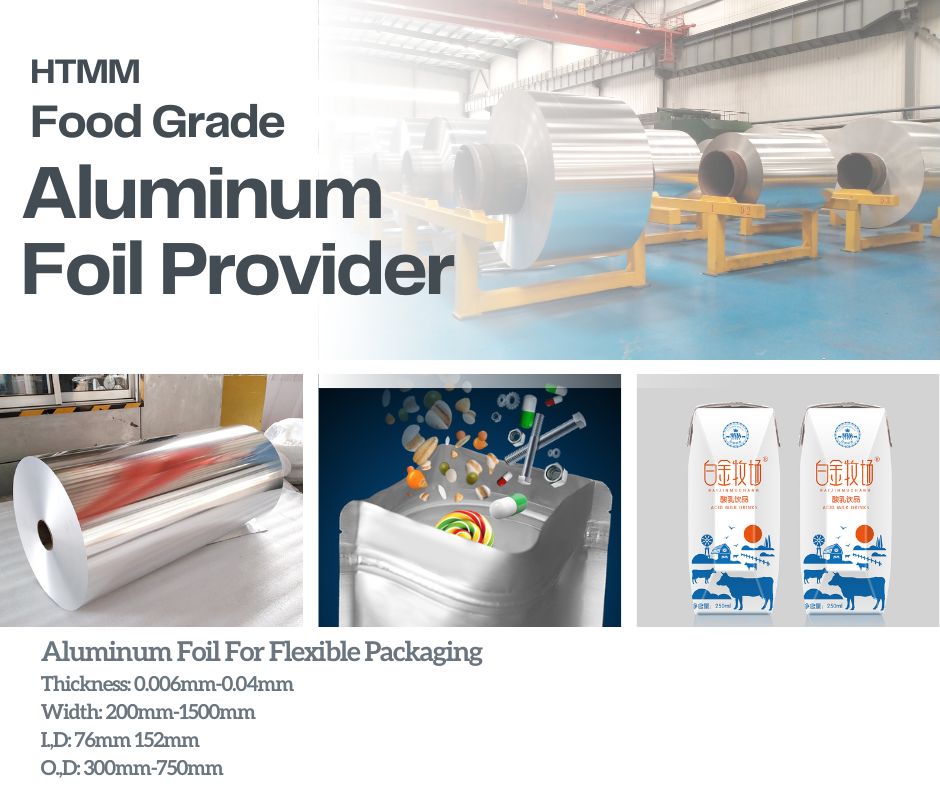
The widths of the two mainstream industrial models -- 792mm and 1050mm: how to accurately match the different production lines?
All these technical parameters and processing flexibility must be incorporated into the final commercialization process. In Asia's sterile packaging aluminum foil supply chain, the standard selection of 8079 alloy, 9 micrometers thick aluminum foil at the time of shipment, mainly downstream to the large complex packaging plant to provide two efficiency difference base coil standard , :
With a width of 792 mm, it is said to be the "classic narrow-width cost performance standard" among the leading manufacturers of aseptic and liquid/solid food packaging in Asia. At present, this width can perfectly match the size of the automatic filling line of medium - and low-speed general purpose plastic aluminum casting machine in the Asian food industry cluster, and small and medium-sized food production enterprises and specific castings. It offers the most significant reduction in material loss for tamized packaging projects, while simultaneously maintaining overall quality and terminal cutting accuracy for fast running processes.
With a width of 1050 mm, the wide standard is widely adopted as "the core benchmarking production line interlocking module for high-speed and mass production in modern times". This standard corresponds to the current leading international industrial automation industry sterile high-speed liquid food packaging and filling line material shelf position optimization of the upgrade. By increasing the total amount of rice released for each delivery, the mills that are registered using this standard can not only reduce the frequency of stoppage of winding replacement, but also greatly improve the efficiency output. The manufacturer of the downstream compound machine can significantly reduce the accumulated loss of pure material in the process when the final cut is carried out after the compound processing. Achieve a total utilization difference of more than 10% and 15% of materials, giving brand manufacturers considerable sustainable control over production costs.
Don't throw it away after you drink it -- eco recycling is not just a concept of words.
After drinking a box of sterile composite paper packaging also embodies the subsequent social responsibility and social environmental protection value of this material. According to the industrial operation index of the current mature waste aluminum plastic separation technology, after drinking the small capacity of 250 milliliters of waste composite sterile milk cartons, wash, sort and send them to the specialized sorting line of the recycling center. We then proceed to the integrated biological pulp decomposition and chemical extraction process. The system completely separates the pulp fiber, polyolefin plastic components and the innermost 8079 alloy aluminum foil layer into a clean aluminum powder and plastic particle raw material. These valuable aluminum raw materials can then be used as industrial raw materials for new aluminum products in downstream processing plants, enabling a "resource-to-resource sustainable green circular economy model". According to scientific algorithms recently conducted in the field of non-ferrous metals and environmental engineering, only consuming about 856 discarded sterile packaging boxes of 250 milliliters, it is about 1.2 meters long and 1.4 meters wide, a strong and luxurious outdoor design. You can separate and remove enough board to make the public environment regenerative sheet. After the deep absorption process in the late stage, these recycled materials can be produced in a more sustainable way: industrial design trash cans in the green space of the park, retro classroom desks and chairs for children's reading in the community, and fairy on both sides of the road. A clever set of separate garbage collection facilities, elaborate household hangers, etc. We have breathed life into disposable paper composites that have gone through the history of food packaging as second durable consumer goods.
So, the next time you break down milk or pick up juice for breakfast, you don't just drink a sweet and healthy bite. The low carbon future includes. Although not flashy, but the thickness is only 0.009mm, because of the strong protection and sustainable recovery potential of 8079 alloy aluminum foil, we can really make life and food and drink easier. We welcome an innovative, sustainable and safe tomorrow.