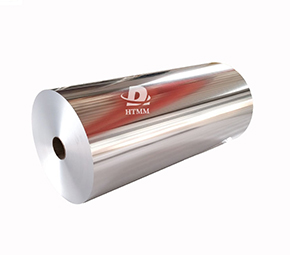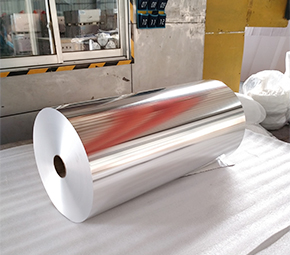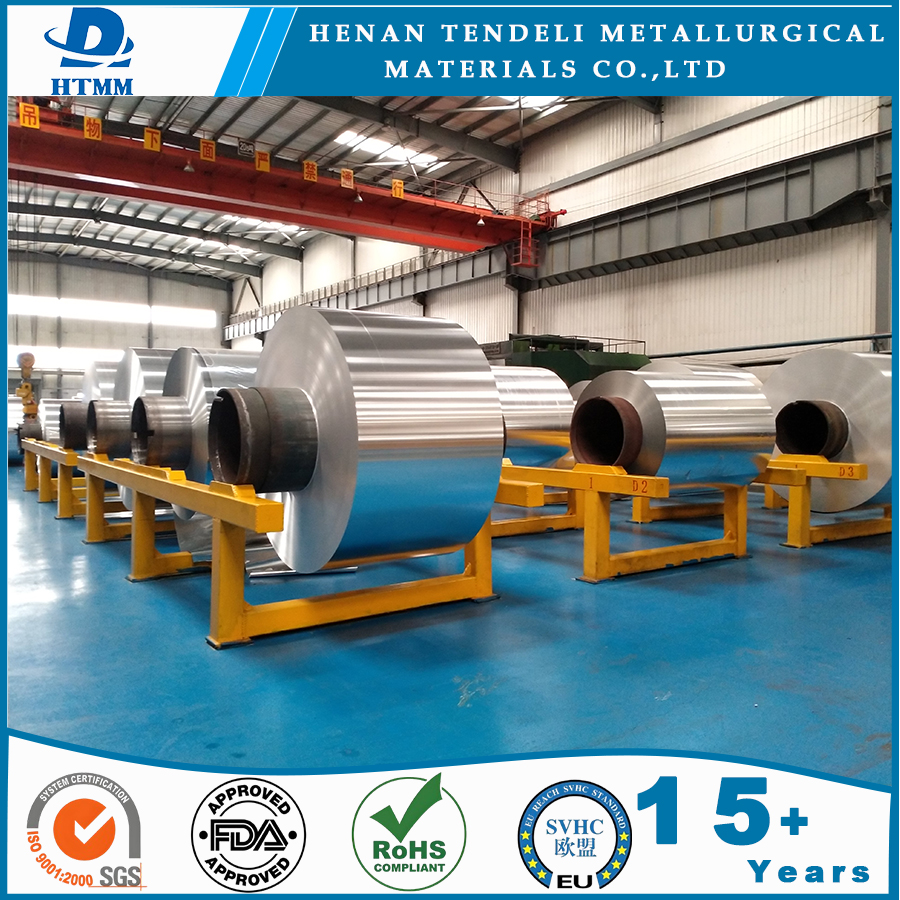
Aluminum Grade 1235 boasts an exceptionally high aluminum content—exceeding 99.35%. This means that it is virtually pure aluminum, with very few impurities. The purer the aluminum, the greater its flexibility, making the resulting product safer and more reliable. This principle is similar to buying a gold ring: the higher the purity, the more substantial and authentic the item.
Next is the letter "O". This letter indicates the temper—or hardness—of the 0.007mm aluminum foil. "O" stands for "completely soft"; This means that the foil has gone through a process known as "annealing", making it exceptionally flexible. Just how soft? You might try folding a piece of paper a few times; You will notice that the paper has hardened. Aluminum foil in "O" temper, however, behaves in exactly the opposite manner. After the high-temperature treatment, it becomes incredibly soft—so soft that it can be bent and manipulated as freely as a piece of fabric, without breaking or creasing.
What exactly can such a thin object be used for?
At this point, you’re probably wondering: how incredibly thin this material is—so brittle that it seems to crack at the slightest touch—what practical purpose could it possibly serve?
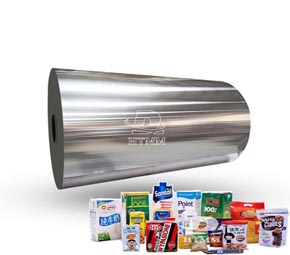
It’s actually because of its thinness that it proves so incredibly useful. The most common application for this type of aluminum foil is as a "silver lining" found inside food packaging bags. Take a bag of potato chips, for example: if you turn it inside out, do you see layers of shiny silver on the inside? That's what happened. The same goes for bags of cookies, coffee, chocolate wrappers, and even sauce packets included with instant noodles—that silver layer on the inside, once again, this is the material.
This aluminum foil is rarely used in isolation; Instead, it is laminated—bound—closed—to paper or plastic to create a three-layer composite structure. The outer layer serves as a canvas for printing interesting designs; The middle layer is composed of 1235 aluminum foil; and the innermost layer is the layer in direct contact with the food. So, what specific function does 0.007mm aluminum foil serve while sandwiching in between? It serves three primary purposes.
The first thing to do is to act as an oxygen barrier. Since 7 micron aluminum foil is a metal, it does not allow air to slowly penetrate through it like plastic does. Once the oxygen is effectively blocked, the food inside is much less susceptible to oxidation. The reason potato chips stay crispy for months is because this layer of aluminum foil 0.007mm successfully seals the air.
The second task is to turn off the light. As everyone knows, many food products are sensitive to light exposure. When fats and oils are exposed to sunlight or artificial light for extended periods of time, they can leave an unpleasant, musty smell—often described as a "stale" or "off" smell. Because aluminum foil is opaque—it prevents any light from penetrating—it helps preserve the food for much longer.
The third function is fragrance placement. Aluminum foil effectively prevents internal odors from escaping. For example, when you purchase ground coffee, you usually can’t detect any aroma until you actually open the bag;
From aluminum ingots to thin foils: what processes are involved?
How exactly is this incredibly thin aluminum foil produced? Simply put, it’s taking an aluminum ingot with it—which is like rolling out dough—and flattening it thin, pass by pass. But while it sounds simple in theory, the actual execution is anything but simple.
The first step is called melting. The factory begins by putting electrolytic aluminum ingots and various alloying components into a large furnace and heating them to over 700°C to prevent the aluminum from melting into a liquid state. Any contaminants are then removed from the molten aluminum in the same way as impurities are scraped from a pot of porridge so that its purity meets the required standards.
The second step is called cast-rolling. The molten aluminum is cast in a continuous casting and rolling machine, coming out as coils of aluminum strips about 6 to 8 mm thick. At this stage it remains a substantial, solid strip—equivalent in thickness to a stack of several credit cards.
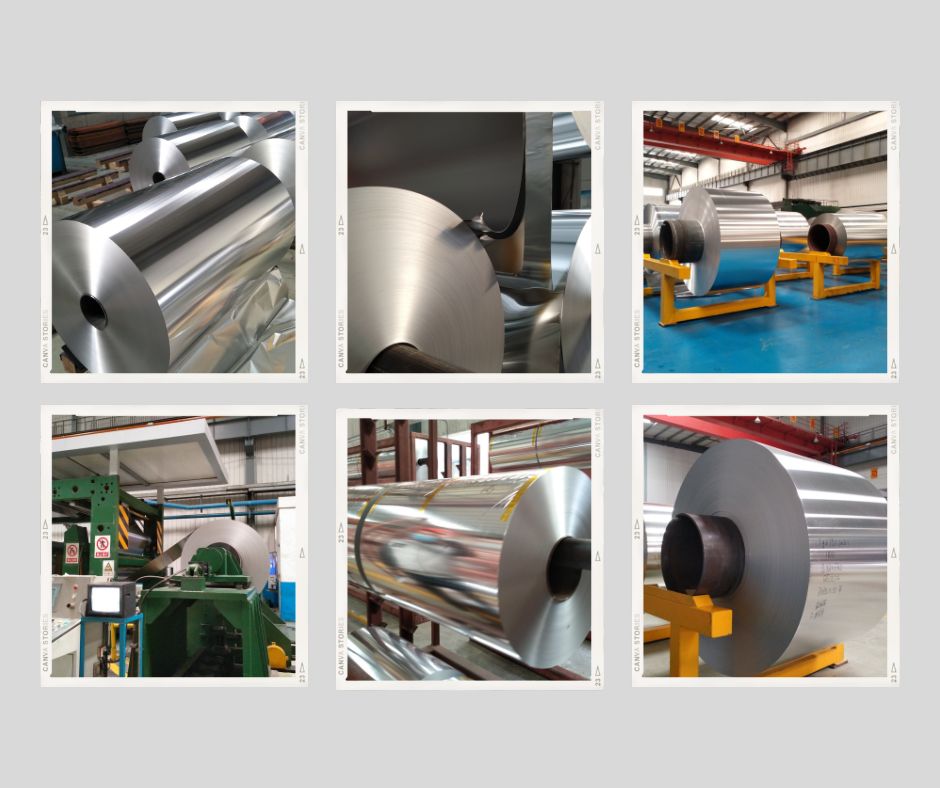
The third step is called cold rolling.The aluminum coil is passed repeatedly through the rolling mill, becoming slightly thinner with each pass. Acting like a giant rolling pin, the mill reduces coil thickness from several millimeters to one millimetre, and then further down to 0.1 millimetres. This process requires immense pressure and oil spraying is necessary to provide both coolant and lubrication at the same time.
The fourth step is called intermediate annealing**. Once rolled to a certain thickness, aluminum becomes quite hard and brittle; Trying to roll it any further at this point will cause it to crack. So the aluminum coil is put in a furnace and heated to soften it a bit. This specific method is known as annealing. Rolling can only continue after this annealing process is completed, allowing gradual further dilution of the material.
The fifth step is precision rolling (or finishing). In this final stage, the foil is rolled down to its final target thickness of only 7 microns. By this point, the aluminum foil has become incredibly delicate; Even with a gentle touch with your fingers, it can easily crease or wrinkle. The entire rolling process demands extreme precision; Any significant deviation in thickness will result in an uneven, defective coil of foil.
The sixth step involves slitting and final annealing. The wide sheet of aluminum foil is cut into narrow strips—usually 101 centimeters wide—and wound on a cardboard core. It is then subjected to a final annealing treatment;