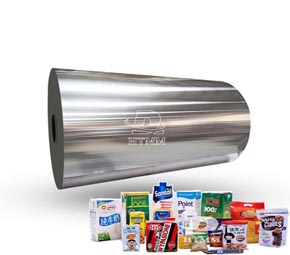
Next time you’re at the supermarket, take a closer look at the snack packaging on the shelves. Some use transparent plastic bags, allowing the contents to be clearly visible; Others use opaque aluminum foil bags with shiny silver interiors. Don’t underestimate that silver lining; It directly determines the shelf life of the snack inside. Ordinary clear plastic bags may appear to be tightly sealed, but on a microscopic level they are full of tiny, invisible pores. Oxygen and moisture in the atmosphere act like cunning intruders, seeping in slowly. Oxygen wreaks havoc on the fats of nuts and fried foods, causing oxidation and producing that unpleasant crunchy flavor, while moisture makes crispy snacks like chips and crackers soggy, and soft, chewy dried fruit dry and hard. High-quality aluminum foil bags are far superior, however; Their density is much higher than plastic, making it nearly impossible for oxygen and moisture to penetrate. Moreover, being completely opaque, they effectively block ultraviolet rays, leaving light-sensitive nutrients and natural pigments intact. That single layer of aluminum foil keeps out the three main culprits behind premature snack spoilage— oxygen, moisture, and light.
.jpg)
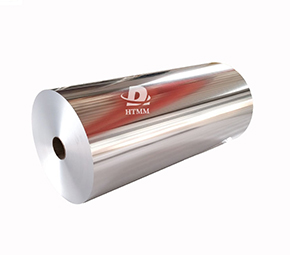
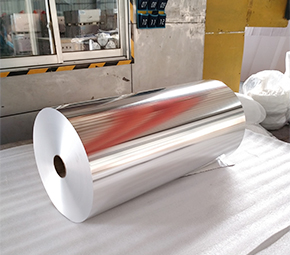
But not all "aluminum foil bags" are created equal; the difference between them can be greater than the gap between a standard plastic bag and an aluminum foil bag. The key lies in the thickness of the inner pure aluminum foil layer. If you rub the bag with your fingers, you might notice that the silver part of some of them is incredibly thin—it crinkles at the slightest touch; These usually have foil only about 7 microns thick. Don't let the "7 micron" figure fool you; It's basically as thin as a sheet of paper and filled with microscopic pinholes—like a suit of armor full of tiny casting flaws—that allow gas molecules to penetrate. Such bags are only suitable for snacks destined to be purchased and consumed within a week or two. In contrast, for heat-and-eat meal pouches designed for premium nuts, imported chocolate or long-term storage, manufacturers choose aluminum foil that is 12, 15 or even 20 microns thick. This minimizes pinholes and elevates sealing and barrier performance to a whole different level. To use an analogy: Thin foil is like a lightweight jacket that protects you from the summer sun—just right for a light drizzle—and thicker foil is like a professional-grade all-weather shell that keeps you dry even in a fierce storm.
Finally, there is no such thing as an inherently "good" or "bad" package; It all depends on how we use it. If you’re buying potato chips or small cookies that will be devoured in a day or two, transparent packaging is perfectly adequate—eat the snacks while they’re at the peak of their freshness. But if you're planning to stock up on "serious" stuff—like big packs of mixed nuts, coffee beans for brewing, or chocolate you'll taste in a month or two—you should prefer aluminum foil bags that feel substantial to the touch and completely opaque. While they may cost a few more than the standard bag, the result is a burst of natural fragrance every time you open the pack and a crisp, crunchy texture that lasts to the last bite. When you do the math it is definitely a worthwhile investment.
Next time you’re in the supermarket, take a good look at that silver inner layer. Rub it gently between your fingers to gauge its thickness, and hold it up to the light to make sure it’s truly opaque. Choosing thick aluminum foil packaging is basically buying "freshness insurance" for your snack. Spending a little extra for peace of mind isn’t really about money; It’s preserving that moment of pure, uninterrupted joy when you open a snack After all, the whole point of snacking is to savor that satisfying bite—and no one wants their mood to be ruined by a stale, musty taste, right?
But a quick piece of advice: it’s not enough to just look at the packaging as being made of aluminum foil; You also need to check how securely it is sealed. Even if the foil material is of high quality, the protective performance will suffer significantly if the seal is not tight or there are small tears at the edges. So when buying, squeeze the seal quickly to see any signs of bulging or air leaks. If the bag feels thick and tight, it likely contains nitrogen for freshness, meaning the seal is probably healthy; If it feels limp or flat—or if you can smell olives inside—you should be careful, because the seal could be compromised.