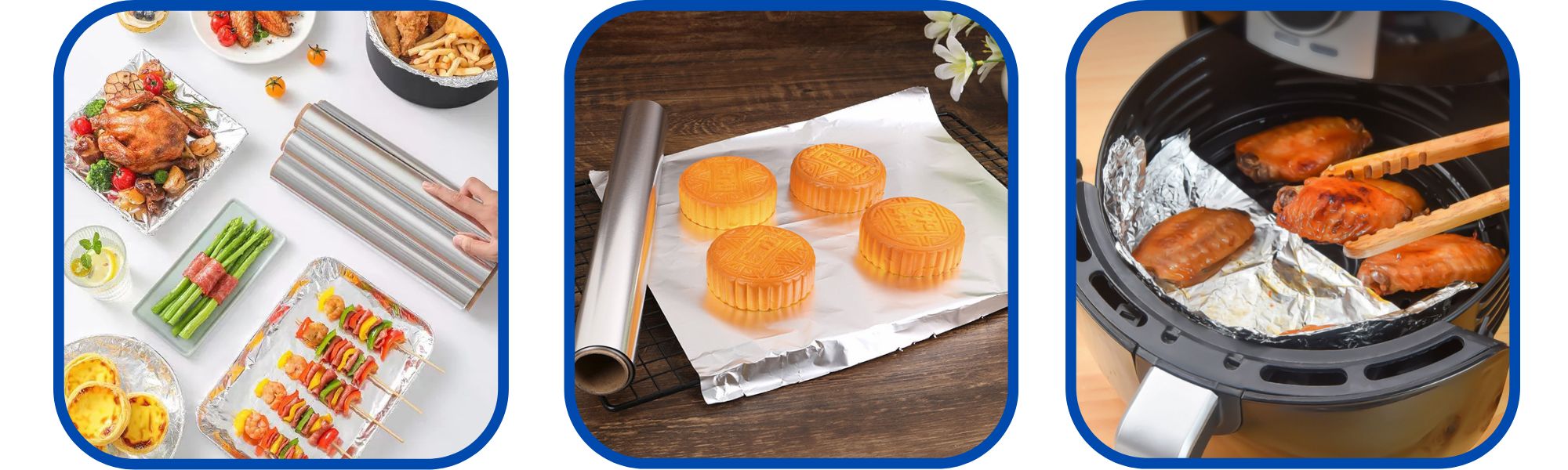
Many people wonder the first time they pull out a sheet of aluminum foil: why is one side shiny and reflective, while the other is dull and matte? Is it a sign that the manufacturer cut corners, or was something applied on one side? not at all. It has nothing to do with quality; It is simply the result of the rolling process.

To be only 8 microns thick, a sheet of aluminum foil would not be strong enough to withstand machinery—it would immediately tear. Consequently, in the final stage of production, two layers of foil are stacked and rolled together. The outer sides of the two sheets come into contact with polished steel rollers, which press until they are smooth and shiny—this becomes the "shiny" side. Meanwhile, the inner sides are pressed hard against each other; Because they are not in contact with the polishing roller, they end up with a matte finish. When rolling is complete, the two sheets are separated, with each piece having a shiny side and a matte side. The shiny side has a lower surface roughness, reflecting the light uniformly, while the matte side has a higher surface roughness, which scatters the light and creates a hazy look. It's that simple—neither side is "flawed"; Both are perfectly functional aluminum foil.
There is quite a bit of debate online about whether you should have the shiny side or the dull side of aluminum foil facing inwards. Some argue that the shiny side reflects heat, while others claim that the dull side absorbs it more quickly. In reality this is a non-issue for most home applications. Whether you use foil in the oven, in the air fryer or to wrap refrigerated items, there is no particular, practical difference in heat conductivity or food storage between the two sides. Many food safety agencies and Aluminum Foil Manufacturers have made it clear that both sides of standard foil are functionally identical—you can use whichever side you prefer. If there’s one small, practical tip, it’s that the dull side is a little less prone to getting food stuck; Because it has a rough surface, the actual contact area with the food is small. You may want to keep the dull side facing up when cooking sticky items like cheese or fish. But this isn't a hard and fast rule, and certainly not a case where "using it the wrong way" would cause any problems. The only exception is "non-stick" aluminum foil, which has a special coating on one side; In such cases, the packaging will clearly indicate which side should be in contact with the food. This does not apply to standard 8 micron household foil.
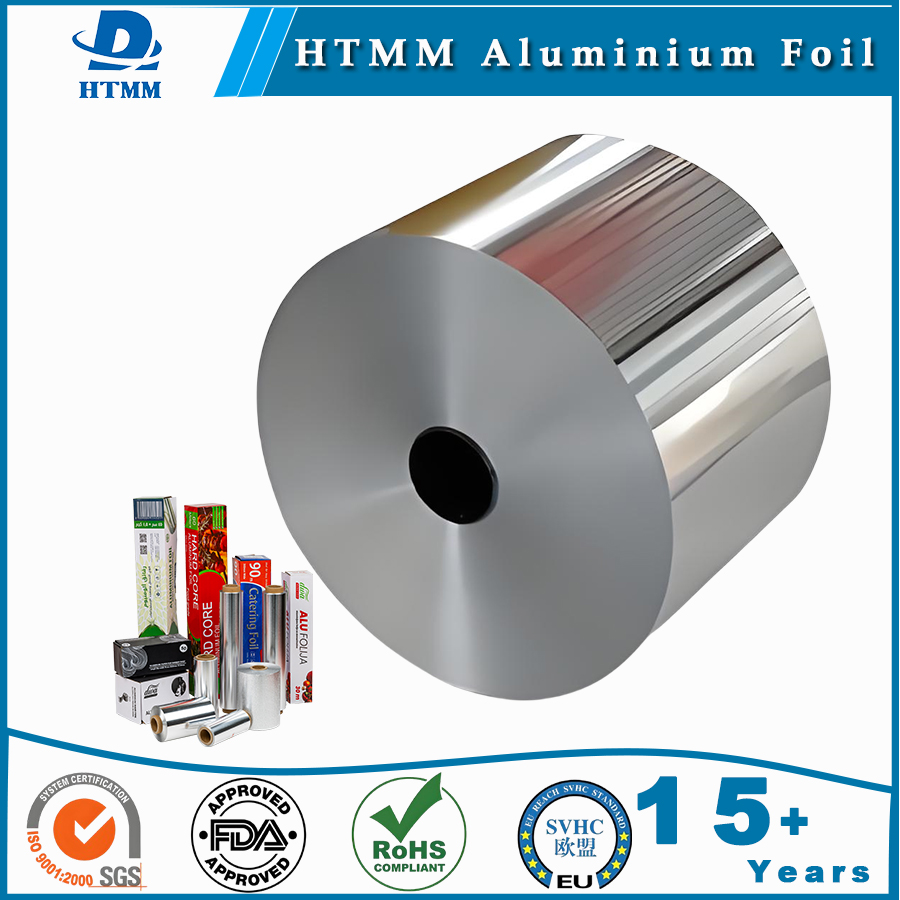
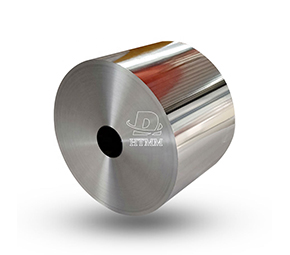
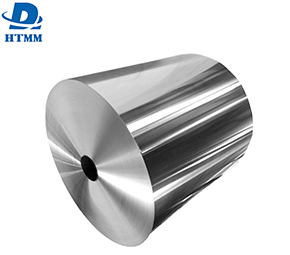
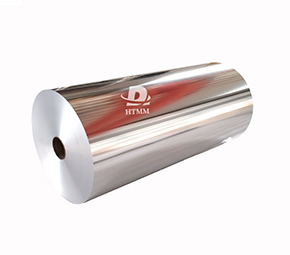
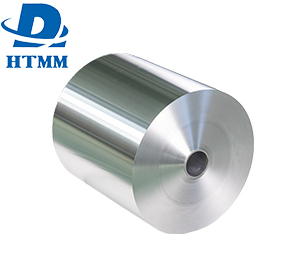
As for larger rolls of Household Aluminum Foil: the plain, smaller rolls—usually 10, 20 or 25 meters long—come in cardboard boxes with serrated cutting edges, which is convenient but has a high unit price. Larger rolls are essentially "wholesale" packs; They are often 50, 100 or more meters in length. While similar in width to a smaller roll, it lacks the elaborate cardboard packaging, resulting in a significantly lower price per unit length. Sohu’s article on domestic aluminum foil puts it bluntly: the retail price per ton for smaller rolls is much higher because of the costs associated with cutting, paper cores, and packaging. In short, a portion of what you pay when you buy a small roll is actually for the box and cutter. Larger rolls are ideal for homes that use foil frequently and in large quantities—whether for regular baking, wrapping ingredients, baking tray linings or outdoor grilling. One large roll can be replaced by several smaller rolls, saving the hassle of having to replace them every few days. Larger rolls have a "rougher" side: many don't come with built-in serrated cutters, meaning you'll need to either use scissors or purchase a separate dispenser. They are also less convenient to hide in a drawer than larger, smaller rolls. But if you use aluminum foil regularly in your kitchen—rather than tearing off a piece every now and then just to cover a bowl—large rolls offer a level of cost-effectiveness that smaller rolls simply can’t match. When choosing, look for products labeled "For Food Contact" that comply with the GB 4806.9 standard. As for thickness—be it 8, 10, or 12 microns—choose based on your specific needs: 8-micron Alu Foil is soft and blends well, making it ideal for wrapping or light coverage; Choose a 10–12 micron or "heavy-duty" (thicker) version for wrapping things like baking tray linings or bone-in cuts of meat.