Common specifications of aluminum foil for composite materials in the Middle East
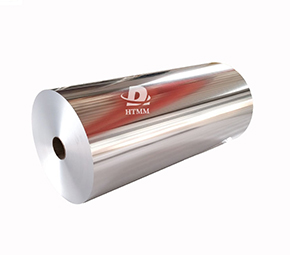
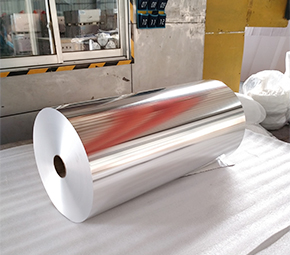
The Middle East has distinct characteristics and wide demand for the selection of aluminum foil specifications for composite materials. In terms of thickness, the common aluminum foil thickness ranges from 6 microns to 200 microns. Among them, 6-micron thick aluminum foil is extremely light and thin, and is often used for products with strict requirements on packaging weight and thickness, such as high-end chocolate, chewing gum and other small foods. Although this type of aluminum foil is thin, it still has good barrier properties and can effectively prevent air, moisture and light from eroding the product without increasing the weight and cost of the packaging too much. Aluminum foil with a thickness of 8-12 microns is the mainstream product on the market and has a very wide range of applications. In the field of food packaging, it can be used to make packaging bags for snack foods such as biscuits and potato chips; in terms of pharmaceutical packaging, it is suitable for blister packaging of tablets, capsules and other medicines. Aluminum foil of this thickness has good flexibility and mechanical processing performance while ensuring barrier properties, and is easy to be composited with other materials. Aluminum foil with a thickness of 15-20 microns is relatively thick and is mainly used in scenarios with higher requirements for packaging strength and barrier properties, such as packaging of powdered foods such as milk powder and coffee, and some pharmaceutical packaging that needs to be stored for a long time. Its high strength can withstand the weight of the packaging contents, and its excellent barrier properties can ensure that the product maintains stable quality for a long time.
In terms of width specifications, the common aluminum foil widths in the Middle East market are 300 mm, 500 mm, 600 mm, 800 mm and 1000 mm. Aluminum foil with a width of 300-500 mm is suitable for the production of small packaging products, such as single food packaging, small pharmaceutical packaging, etc., which is convenient for cutting and processing during the production process. Aluminum foil with a width of 600-800 mm is a more common specification that can meet the production needs of most conventional packaging products. Whether it is food packaging bags or daily chemical product packaging, aluminum foil in this width range can be used for composite processing. Aluminum foil with a width of 1000 mm and above is mainly used for large-scale industrial production. It is suitable for the production of large packaging bags, roll films and other products, which can improve production efficiency and reduce production costs.
In terms of the inner diameter specifications of aluminum foil, common ones are 76 mm, 152 mm, 3 inches, 6 inches, etc. Aluminum foil rolls with an inner diameter of 76 mm are usually used in small packaging equipment or laboratory research and development, which is easy to operate and use. Aluminum foil rolls with an inner diameter of 152 mm and 3 inches and 6 inches are suitable for large-scale industrial packaging equipment. In the process of large-scale production, they can ensure the stable transportation and efficient processing of aluminum foil.
The use of aluminum foil for composite materials in the Middle East
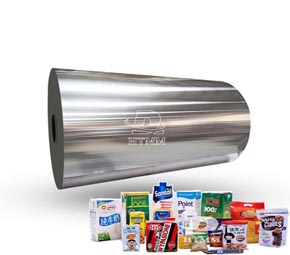
In the Middle East, food packaging is one of the main application areas of aluminum foil for composite materials. The rich food culture in the Middle East has given rise to a diverse demand for various types of food packaging. After aluminum foil is compounded with plastic film, paper and other materials, the packaging material formed has excellent comprehensive properties. For baked foods such as bread and pastries, aluminum foil composite packaging can effectively block external moisture, prevent food from getting damp and softening, and isolate oxygen to prevent food from oxidation and deterioration, thereby extending the shelf life of food. Nut foods that are popular in the Middle East are often packaged in aluminum foil composite packaging bags.Medical packaging has extremely high requirements for the safety, barrier properties and stability of materials. Aluminum foil composite materials play a key role in the field of pharmaceutical packaging in the Middle East. Blister packaging made of aluminum foil and plastic, rubber and other materials is widely used in the packaging of tablets, capsules and other medicines. This form of packaging can effectively isolate air, moisture and light, prevent medicines from deteriorating due to contact with the external environment, and facilitate the use and carrying of medicines.
Aluminum foil composite materials have also been widely used in the field of daily chemical product packaging in the Middle East. For cosmetics, such as lotions, creams, and essences, aluminum foil composite packaging can effectively prevent the product from contacting the air, avoiding oxidation and deterioration of the product, while keeping the active ingredients of the product stable. The metallic texture of aluminum foil can also enhance the grade and quality of cosmetics, attracting consumers to buy. In the packaging of washing products, such as packaging bags for laundry detergents and dishwashing liquids, the use of aluminum foil composite materials can enhance the barrier properties of the packaging, prevent liquid leakage, and extend the shelf life of the product.
About HTMM Aluminum Foil For Lamination Packaging Materials
The composite aluminum foil produced by HTMM in Henan, China is very popular in the Middle East. The composite aluminum foil produced by HTMM in Henan, China is very popular in the Middle East. The primary reason is its excellent product quality. The company adopts internationally leading production technology and equipment, and strictly controls every link from raw material procurement to production and processing. In terms of raw material selection, high-purity aluminum ingots are selected as production raw materials to ensure the purity and stable performance of aluminum foil. In the production process, through advanced rolling technology, the thickness tolerance of aluminum foil can be accurately controlled, so that its thickness uniformity reaches the international advanced level. After testing, the thickness deviation of the aluminum foil produced by HTMM can be controlled within ±0.5 microns, ensuring the consistency and stability of the aluminum foil in the process of compounding with other materials. In terms of barrier properties, HTMM aluminum foil performs particularly well. Its barrier capacity for oxygen, water vapor and light far exceeds the industry standard, and can provide longer-lasting and more reliable protection for packaged products. Taking the barrier to oxygen as an example, under the same conditions, the oxygen permeability of HTMM aluminum foil is more than 30% lower than that of similar products on the market, which is crucial for the packaging of oxygen-sensitive food, medicine and other products. In addition, HTMM aluminum foil also has good mechanical properties, with high tensile strength and tear resistance. During the composite processing and packaging use, it is not easy to break or damage, which effectively guarantees the integrity of the packaged products.Henan HTMM Company fully understands the diverse needs of the Middle East market for composite aluminum foil specifications and provides a comprehensive and rich selection of product specifications. In terms of thickness, it covers a full range of products from 4 microns to 20 microns. Whether it is light or thick aluminum foil, it can meet the special needs of different customers. In terms of width, the company provides a variety of specifications ranging from 200 mm to 1200 mm, which can be adapted to various packaging production equipment and packaging products of different sizes. There are also multiple options for inner diameter specifications, which can meet the use requirements of customers in different production scenarios. In addition to providing standard specification products, HTMM also has strong customized service capabilities. The company has a professional R&D team and technicians, and can carry out personalized customized production according to the specific needs of customers, such as special thickness, width, inner diameter, and special requirements for the surface performance and color of aluminum foil. For example, for some customers with special printing needs, HTMM can perform special treatment on the surface of aluminum foil to improve the printing suitability of aluminum foil and ensure that the printed pattern is clear and colorful. This customized service capability enables HTMM to better meet the personalized needs of different customers in the Middle East and occupy an advantageous position in market competition.