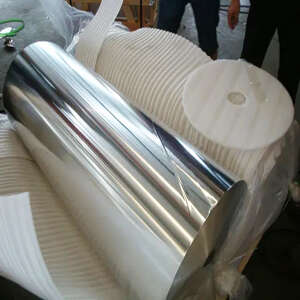
 In the modern world of industrial and consumer goods, packaging has gone beyond the role of mere container, becoming a guardian of quality, a bearer of brand image, and a standard-bearer of shelving technology. Among numerous packaging materials, aluminum gourd occupies an important position for its irreplaceable barrier performance. The titled Alu Foil 8079 alloy 6.35 Micron is the main jade that shines brilliantly in this field and has realized high performance, precision, and reliability. In THIS ARTICLE, WE WILL EXPLORE WHY ALUMINUM FOIL OF THIS PARTICULAR SPECIFICATION IS SUITABLE FOR FLEXIBLE PACKAGING.
About 8079 Alloy Aluminium Foil
First, we will describe the 8079 alloy. This isn't just code, it's built for materials science. The 8079 alloy is an aluminium-iron-silicon class alloy that achieves optimal comprehensive performance through accurate composition.
Compared with other pure aluminum (frequently used in packages such as 1050, 1060), the 8079 alloy contains a reasonable amount of iron and silicon. Therefore, it forms fine intermetallic compound particles and remarkably improves the tensile strength and tensile toughness of the aluminum foil. This means that it can respond to the needs of high-speed self-contained lines without breaking later in processing (cutting, printing, depositing, etc.) or in use. The most important value of aluminum foil lies in its overwhelming barrier role. Aluminum FOIL OF 8079 ALLOY, THE STRUCTURE IS COMPACT AND 100% COMPLETELY CAN BLOCK LIGHT, GAS (SUCH AS OXYGEN, NITROGEN, CARBON DIOXIDE) AND WATER VAPOR. This property is very important to protect the contents, can effectively prevent the oxidation deterioration of food, the loss caused by the moisture of medicine, the oxidation corrosion of precision electronic components. Flexible packaging should be easy to bend, easy to fold, without cracking. 8079 alloy has high strength and good ductility at the same time, and can perfectly adapt to various shapes of products, so it ADAPTS to a series of packaging processes such as smelting, filling and bonging.
It can be said that the 8079 alloy is providing a solid 'gene' base for the high performance aluminum foil.
About 6.35 Micron Thickness Aluminium Foil
Its thickness specification called '6.35 micron' is an exquisite balance between technology and application demands. A micron is a thousandth of a millimeter, and a 6.35 micron is about a tenth of the diameter of a human hair. Producing aluminum foil with uniform, pinhole free and stable performance on this scale is the ultimate implementation of aluminum foil machining process.
The thickness of aluminum foil is directly linked to cost or performance. Too thick aluminum foil has good barrier property, but it costs a lot and loses flexibility. If the aluminum foil is too thin, the pinhole will result in a decline in barrier performance.6.35 Gauge M (250 gauge, also called 0.25 mill) is the gold balance point. This ensures a very low pinhole rate to provide sufficient protection while at the same time saving the cost of the material as much as possible to optimise cost effectiveness. High rolling technology, precise control system, and clean production environment are required for stable mass production of 6.35 micron thick aluminum foil. Any minute impurities or process wobbles can cause tape breaks or defects in pinholes. Therefore, being able to deliver a stable product with this specification is in itself a proof of the manufacturer's technical skills.
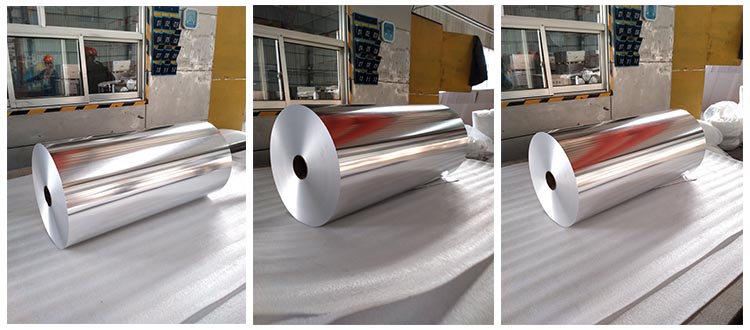
By combining the excellent properties of 8079 alloy and the fine thickness of 6.35 mic, it has the superiority in the field of 'flexible packaging'. Flexible packaging generally refers to multi-layer composite materials made by dry composite or solvent composite process in aluminum foil, plastic film (such as PET, CPP, PE), etc.
Such composite materials are usually used with 8079 aluminum foil of 6.35 micrometers as the intermediate barrier layer. The outer plastic film (such as PET) provides desk strength and printing aptitude, the inner thermal film (CPP) provides seal function, and the aluminum thin layer serves as the most important 'barrier'. It is like a solid castle wall, which firmly blocks outside water vapor, oxygen and light from outside and creates a safe and stable microenvironment for food, medicine, cosmetics, etc. inside.
8079 Alloy 6.35micron Aluminium Foil Application
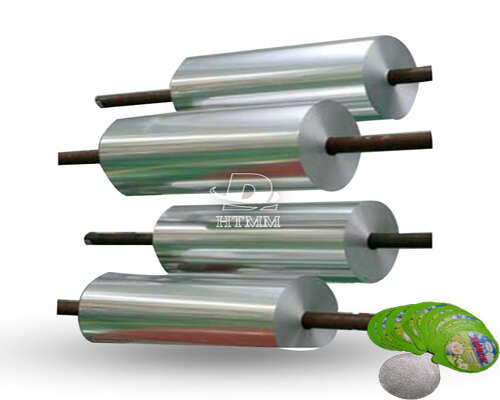
Used for food packaging with wide demands and used for snack stand bags, vacuum packaging of coffee, nitrogen filled packaging of milk powder, medicinal rubber cysts and steamed bags (resistant to high-temperature sterilization above 121℃). Keep the scent and flavor of the food and keep the crispy texture by preventing the oxidation of the food. Medicines are very sensitive to moisture and oxygen. This aluminum gourd is an ideal choice for pharmaceutical foam cover packaging (PTP) and composite membrane bags, which can ensure that the ingredients are stable during the effective period of the drug and the effect is not affected.
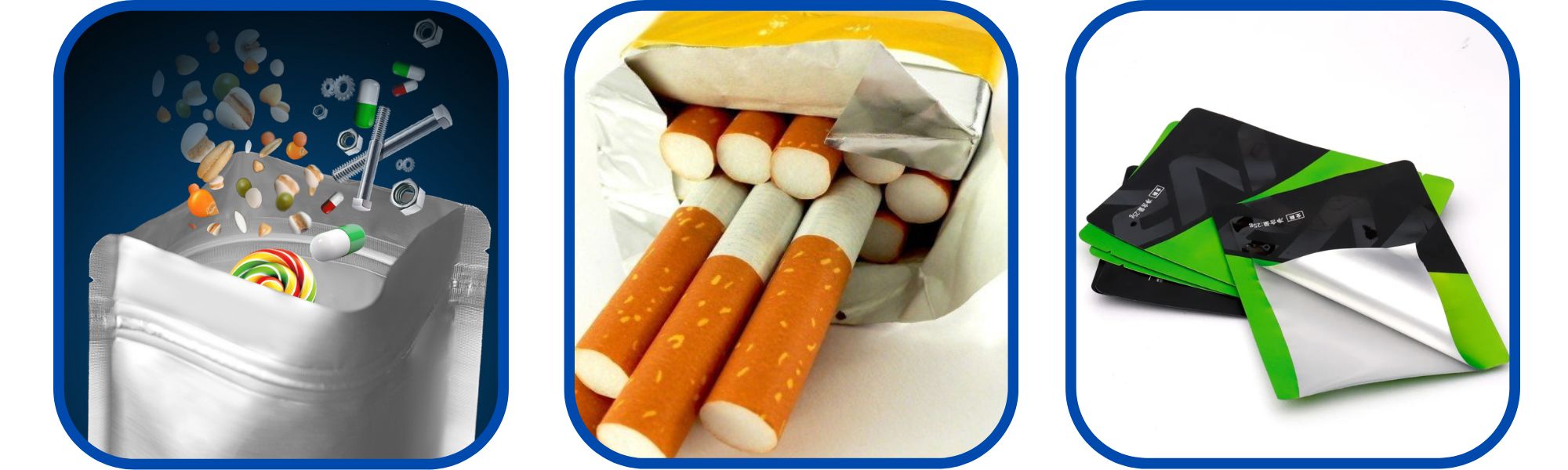
Moisture sensitive precision electronic components, lithium ion battery raw materials, chemical products, etc. are often packed with aluminum foil composite bags of this specification to prevent moisture and static electricity.
With increasing interest in the environment, its 6.35 mic 8079 aluminum foil shows one aspect of sustainability. First of all, aluminum is a metal that can be recycled several times, so it has a very high recycling value. It also realizes the reducing use of resources by thinning specifications, and accords with the ideology of making green. What's more important is that its excellent protection performance greatly reduces waste caused by degradation of products, and efficient resource saving from the perspective of the whole product life cycle.