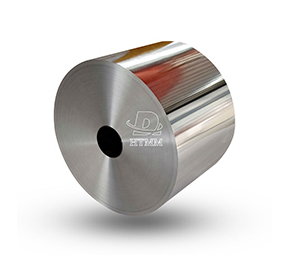
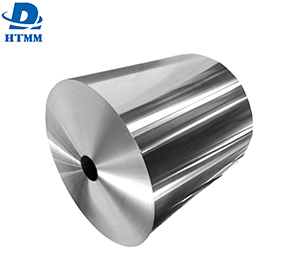
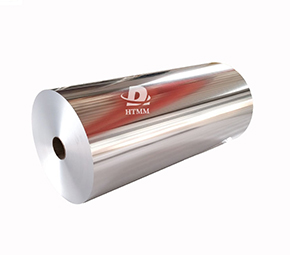
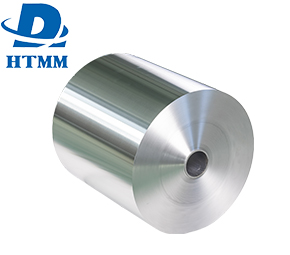
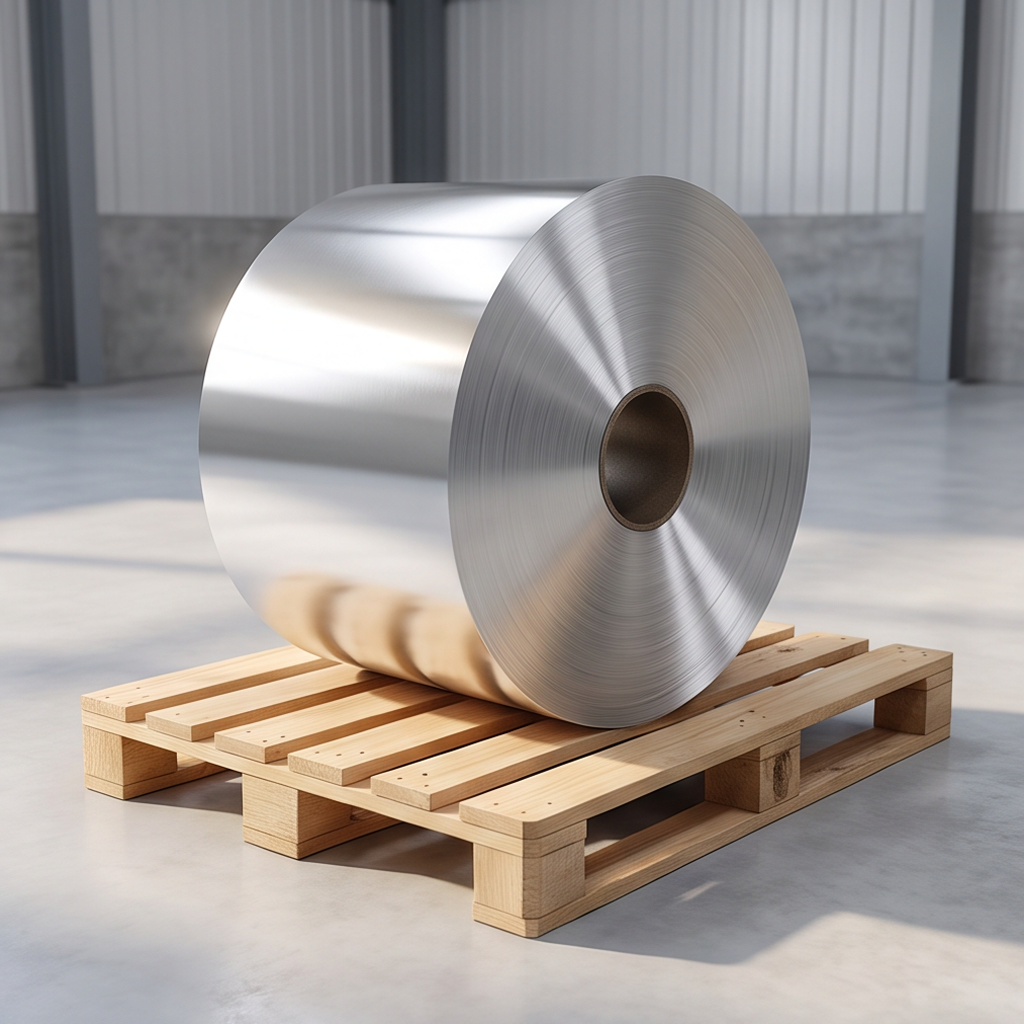
 Aluminum foil is a lightweight material necessary in everyday life and industrial production. It is widely used in food packaging, cooking, electronics manufacturing, aerospace and many other fields. Most people only know that aluminum foil is thin and has good strength, but rarely know its specific actual thickness standards. The thickness of aluminum foil is not a fixed value, but has a strict industry classification, national standard tolerance range and scenario specifications. A small difference in thickness directly determines the efficiency of use and applicable scenarios of aluminum foil.
First of all, the industry has a clear definition of the thickness of aluminum foil. According to general industry standards, aluminum with a thickness of 0.2 mm or less is collectively called aluminum foil, and aluminum with a thickness of more than 0.2 mm is classified as aluminum plates or aluminum strips. Depending on the thickness characteristics, aluminum foil can be divided into three main categories: thick aluminum foil, simple aluminum foil and double zero, which comprehensively covers various daily use scenarios for civil use and industrial precision machining.
Household Aluminum Foil, which we use in everyday life, is the most common. It belongs to the category of single zero leaves, and the actual thickness is extremely thin. Conventional kitchen aluminum foil, which is often used for cooking, packaging and food preservation, the actual thickness is usually from 0.01 mm to 0.02 mm. Among them, the thickness of food-grade ultra-thin disposable aluminum foil is from 0.009 mm to 0.012 mm, which has a light texture and flexibility, suitable for conventional food packaging and freshness; thickened household aluminum foil used for high-temperature barbecue and baking can reach 0.02 mm to 0.04 mm, with greater strength and high temperature resistance. , It is not easy to break and deform during use.
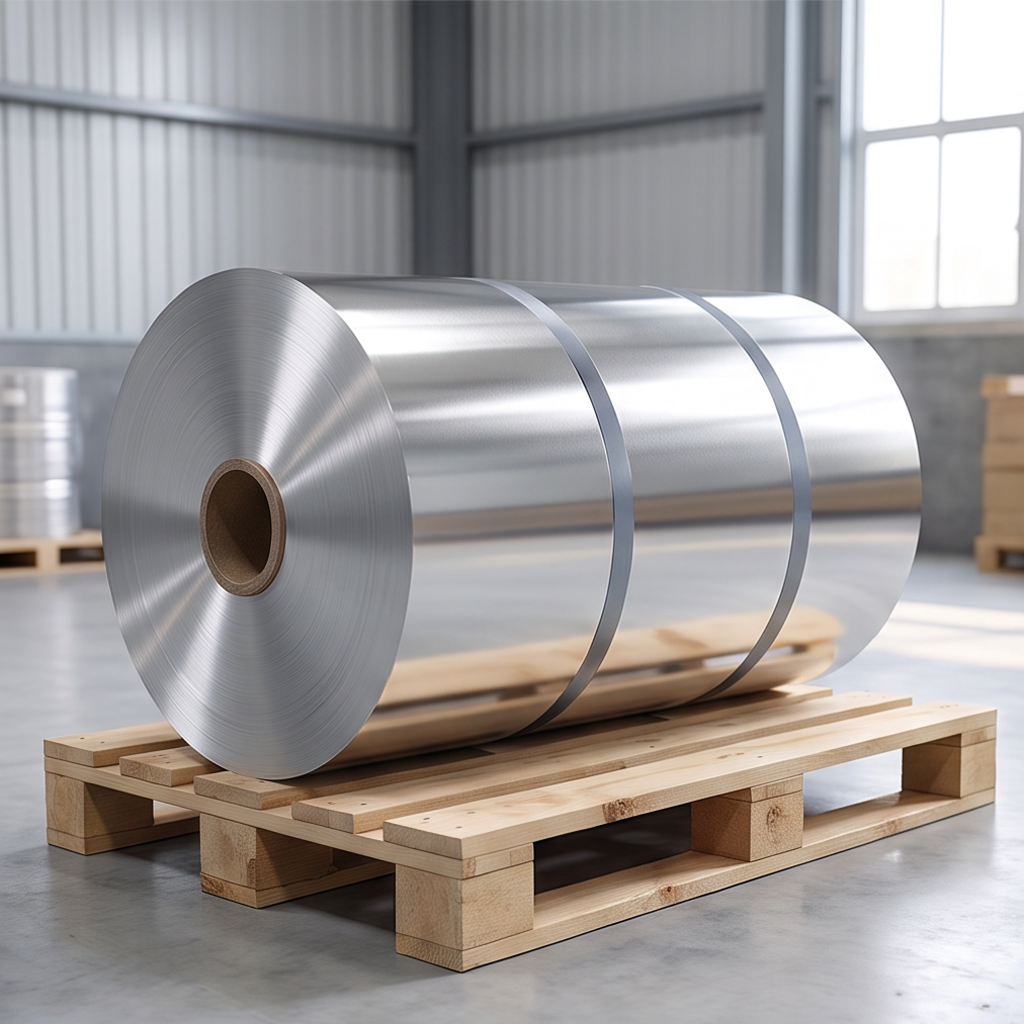 The thickness range of industrial grade aluminum foil is wider and the standard is more accurate, covering two categories: double sheet zero and thick sheet. The double zero sheet is an ultra-light and thin aluminum foil less than 0.0075 mm thick, which is thinner than human hair. It is mainly used in the production of capacitors, packaging of electronic components and other areas of high precision. The thickness range of a thick sheet is from 0.08 mm to 0.2 mm, with excellent strength and structural stability. It is mainly used in aluminum foil flour boxes, industrial filtration, battery pole ears, thermal insulation materials and other scenarios. For example, conventional aluminum takeaway lunch boxes mainly use aluminum foil with a thickness of 0.05 mm to 0.08 mm, while lunch boxes for large capacity soups require aluminum from 0.08 mm to 0.10 mm to ensure pressure resistance and durability.
It should be noted that industrial production cannot achieve absolutely accurate thickness control, and that the actual thickness of aluminum foil is a reasonable deviation from the national standard. According to the national Chinese aluminum foil standard GB/T 3198-2020, the average difference in the thickness of single-rolled aluminum foil is controlled in the range of ±5% to ±6% of the nominal thickness, and the difference in the thickness of double-rolled aluminum foil is from ±6% to ±8%. The larger the production batch, the higher the accuracy of the thickness of the aluminum foil. It also means that the nominal thickness of aluminum foil with a nominal thickness of 0.05 mm has a floating thickness of about 0.003 mm, which is a normal mistake in accordance with the industry.
The difference in the actual thickness of aluminum foil will directly affect its performance. Ultra-thin double zero sheet has excellent barrier and plasticity, which can meet the production needs of miniaturization of electronic equipment; medium-thick aluminum foil takes into account flexibility and hardness and is suitable for processing and daily food packaging use; thickened industrial aluminum foil can meet the pressure, high temperature and loss resistance of industrial scenarios with stable structural strength. And other strict requirements for use. In addition, the homogeneity of thickness is more important than the nominal thickness. The overall thickness of high-quality aluminum foil is homogeneous, and there is no problem of local thinning and thickening, which can effectively prevent damage, air leakage, liquid leakage and other situations during use.
| Product Name | Thickness |
| Household Aluminium Foil | 0.008mm-0.02mm |
| Container Aluminium Foil | 0.03mm-0.15mm |
| Flexible Packaging Alu Foil | 0.006mm-0.03mm |
| Industrial Aluminium Foil | 0.006mm-0.2mm |
In short, the actual thickness of aluminum foil is extremely large, covering the gradient range from 0.006 mm to 0.2 mm in general. The traditional thickness of domestic aluminum foil is from 0.01 to 0.05 mm, and the thickness of light industrial packaging aluminum foil is mainly from 0.05 to 0.10 mm. Ultra-precision ultra-thin sheet and industrial thick sheet expanded the upper and lower limits of the thickness of aluminum foil. Understanding the actual standard of aluminum foil thickness can not only help us accurately select materials and use them reasonably according to different scenarios, but also intuitively feel the accuracy and professionalism of modern metalworking technology.