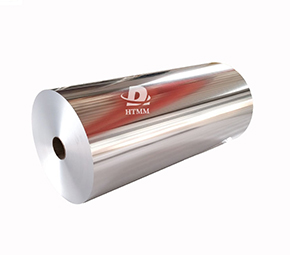
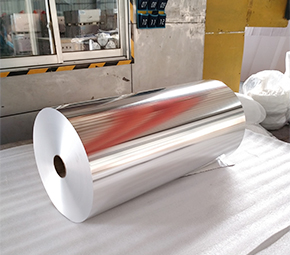
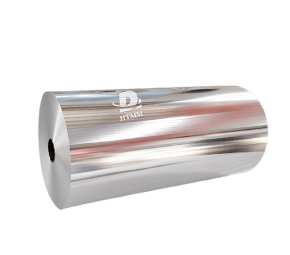
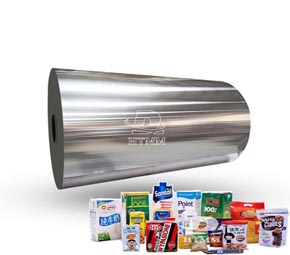
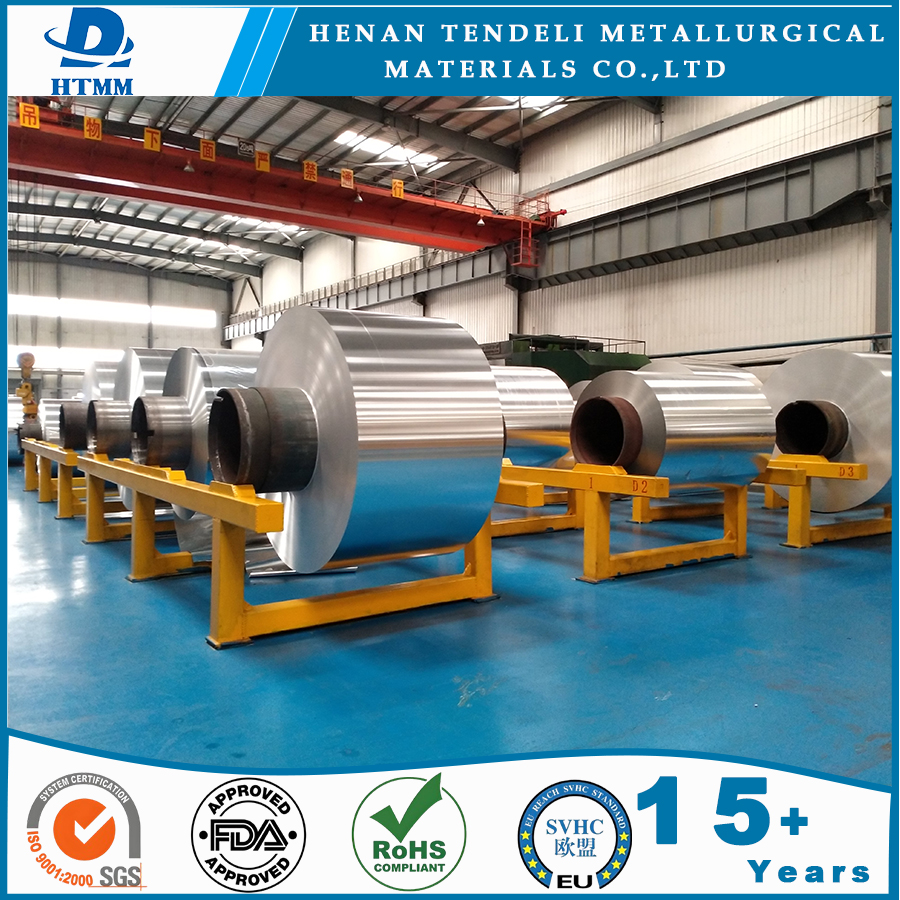
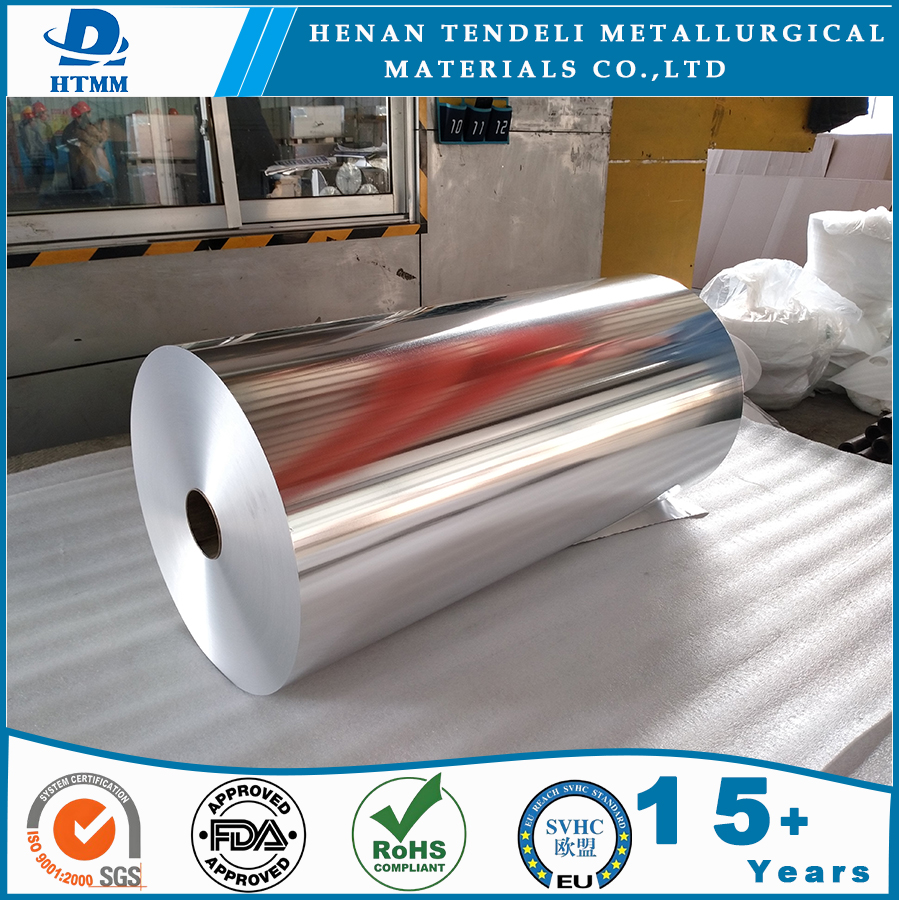
What's called a "soft aluminum foil jumbo roll" is, simply put, a larger version of an "aluminum foil toilet paper roll." But it’s much thinner—and much softer—than the tough aluminum foil you use in your kitchen. Usually only 0.006 to 0.009 mm thick, it wrinkles at the slightest touch. Manufacturers produce the foil in huge rolls—one or two meters wide and hundreds of thousands of meters long—that are then sold to companies that manufacture snack packaging. These companies then cut the material into narrow strips to suit their specific needs; laminated with plastic film and paper, eventually transforming it into the stand-up pouch we hold in our hands today.
First, it blocks light. Think about it: What’s the biggest enemy of snacks like potato chips, cookies, and nuts? exposure to light. When exposed to sunlight, the fats and oils within oxidize, smelling crunchy and releasing a bitter, pungent taste. Since aluminum foil is a metal, light cannot penetrate it at all; This effectively acts as a thick, light-blocking blanket for inner snacks.
Second, it blocks oxygen and moisture. Snacks that are soggy and soft—or, conversely, too dry—are both the result of inadequate packaging seals. Aluminum foil boasts some of the best barrier properties of all packaging materials; It is virtually impervious to oxygen and moisture. While a bag of potato chips left open overnight will quickly go stale, potato chips sealed inside an aluminum foil pouch can maintain their freshness for up to a year.
Third, it preserves fragrance. The pleasant smell you detect in olives is actually made up of tiny aroma molecules. Ordinary plastic cannot prevent these molecules from escaping, but aluminum foil can. On the contrary, it prevents external odors from penetrating inside as well.
Fourth, it is printable. The aluminum foil surface can be printed with colorful, intricate designs, giving the packaging a premium, high-end look. Moreover, it can be combined with plastic or paper to heat-seal, allowing the machinery to create a tight, airtight seal on the face of the bag by simply applying heat.
Based on these four key advantages, almost all snack foods that require a long shelf life—such as chocolate, puffed snacks, instant noodle seasoning packets, ground coffee, tea leaves and dried meats—use this product.
How Are These Large Rolls Produced?
Producing large rolls of soft aluminum foil is not a task for a small-scale workshop. Simply put, the process involves the following steps:
First, aluminum ingots are melted down and cast into massive, thick slabs—sometimes reaching a thickness of half a meter. These slabs are then fed through giant rolling mills and pressed repeatedly; much like rolling out dough, they become thinner and thinner with each pass. Once the foil reaches a certain thinness—so delicate that a mere poke of a finger would tear it—two sheets must be stacked together for the subsequent rolling stages, with a thin layer of oil applied between them to prevent sticking. Finally, once the material has been rolled to the required thickness, it is slit into various widths, wound into large rolls, and packaged for shipment.
The entire process demands an exceptionally high degree of precision in control; even the slightest deviation in thickness is unacceptable.
Are there any special considerations when using it?
When a snack manufacturer purchases these larger rolls, they are not used directly as is. The material is simply very thin and soft; It is completely impossible to use in isolation, because it will fall apart at the slightest tug. So it must go through a process called "lamination"—bonding the aluminum foil to other materials.
The most common lamination structure consists of three layers: the outermost layer is usually polyester film or paper, to display printed graphics and provide resistance against abrasion and scratches; The middle layer is the soft aluminum foil itself, responsible for providing a barrier function; And the innermost layer is a polyethylene film, which helps seal heat and acts as a direct contact surface for food products.
A major challenge arises during the lamination process: aluminum foil is extremely slippery, making it prone to wrinkling as it moves along the line, and if the tension control is off even slightly, it will fall apart. Moreover, it is highly susceptible to kriging; A single fold can create tiny pinhole-sized pores, and if too many of these holes accumulate, the barrier integrity of the material is completely compromised. The resulting production line requires specialized laminating machines where parameters—such as tension, temperature, and viscosity ratio—must be precisely controlled to several decimal places.