The important role of aluminum foil in composite packaging materials
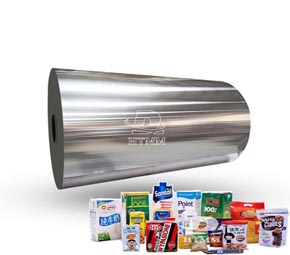
Aluminum foil has long been popular for its excellent blocking performance. The multi-layer structure formed when mixed with PET or BOPP allows you to fully enjoy the advantages of each layer of the material: the PET layer provides dimensional stability, excellent mechanical strength and transparency (when not printed). The BOPP layer is suitable for excellent moisture resistance, high transparency and printing. Aluminum foil is an intermediate or outer layer that can completely block light, oxygen, water vapor, and odor. This complex is ideal for environmentally sensitive products, providing reliable protection from coffee, snacks, pharmaceutical packaging, and steam bags.
In the application of PET/BOPP composite materials, the thickness of aluminum foil is generally 6 to 12 microns, and it can be customized according to customer needs.

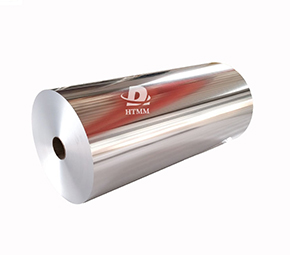
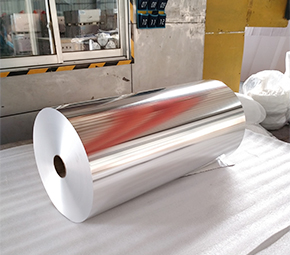
An important quality indicator of high-quality aluminum foil rolls.
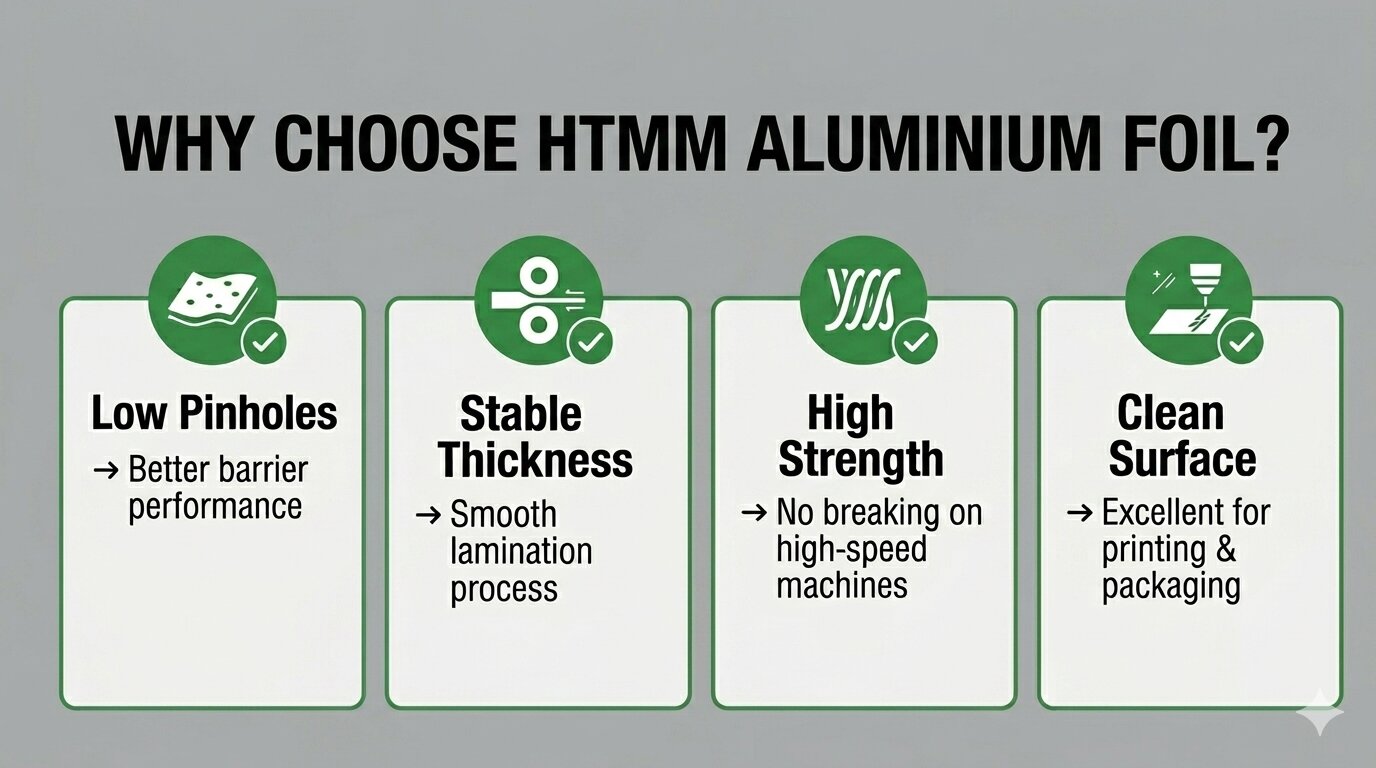
Surface cleanliness and residual oil: Excessive residual oil during the rolling process affects the adhesion strength during mixing. High-quality aluminum foil is de-linsed to control residual oil to very low levels. To ensure stable adhesion with adhesive
Pinhole density: Even a small pinhole can impair the performance of the barrier. In the high-quality large roll production process, the number of pinholes is kept to a minimum—for pharmaceutical packaging levels. In general, only 0 pinholes should be used per square meter.
Tensile strength and elongation: Aluminum foil should be applied with a certain amount of tension during unpacking, mixing, and cutting, and should not tear. The consistency of the mechanical properties of the whole roll of aluminum foil is important for high-speed composite machining.
Thickness tolerance: Uniform thickness (within ±5% tolerance) can prevent unbalanced mixing and material loss. Advanced rolling machines and automatic thickness control systems can achieve this accuracy.
Annealing condition: Properly annealed aluminum foil has the appropriate smooth hardness - not too hard (very easy to break) or not too soft (easy to crump). This balance is very important for mixed fitness.
Surface treatment: In some applications, the aluminum foil surface must be coronaly treated or primered to increase adhesion with aeous or solvent adhesive.
Complex process and application field
There are two main ways to mix aluminum foil rolls with PET and BOPP:
Solvent mixing: Use adhesive dissolved in organic solvent.
Solvent-free blend: It is becoming increasingly popular due to environmental protection and cost reduction. It is harded through a chemical reaction using 100% solid adhesive. This process should increase the cleanliness of the aluminum foil surface so that the adhesive is wet and fully adhered.
For example, vertical bags for snacks or pet food often use PET/aluminum foil/PE structures. However, if you replace the PE layer with BOPP, you will receive a denser, more transparent, and better "folded die" storage package. For blister packaging, molding films (usually PVC or PET) are assembled in aluminum foil, and BOPP can be used as a film that is easy to re-mail. In addition, coffee capsules, cosmetic packaging bags, and industrial desicant packaging are also separated from this composite aluminum foil material.
How to choose the right large roll aluminum foil supplier
When purchasing large aluminum foil rolls for PET/BOPP composites, buyers must pay attention to ISO 9001 certified suppliers and have a professional quality control laboratory. It is a firm requirement to prepare a factory inspection report, including pinhole inspection information and adhesion inspection information. In addition, the size of the large roll must match the user's composite equipment, and the general width is 300 mm. Up to 1600 mm. Or 152 mm. And the weight of each roll starts from 200kg. Maximum 2000kg.
Considerations regarding sustainable development
Modern packaging also requires environmentally responsible materials. High-quality aluminum foil rolls are made of more recycled aluminum (process waste), and the aluminum foil itself can be recycled in a special recycling plant. If you use a thin standard, you can reduce the amount of materials. While solvent-free composite processes reduce VOC emissions, some composite structures are now designed to separate and recycle individual layers of materials, but this is still a cutting-edge field.
High-quality aluminum foil rolls for PET/BOPP composites are an indispensable basic material in the flexible packaging industry and have excellent barrier protection. Reduce food waste and provide consumers with a high-quality user experience. As technology continues to advance to thinner specifications, reinforced adhesive systems, and recyclable structures, the importance of precision-engineered aluminum foil rolls will increase. From making a single package that can be kept fresh for several months or a blister packaging to protect life-saving medicines, from molten aluminum to a large roll finished product, the quality of each stage determines the success of the final packaging. Choosing a supplier that is committed to precision, cleanliness, and quality stability is not just a purchase decision, but also an investment in excellent packaging.