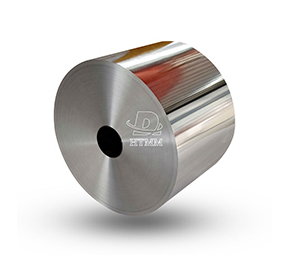
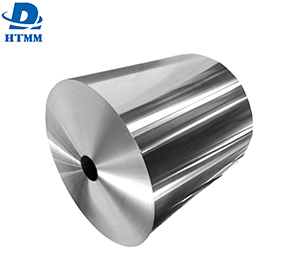
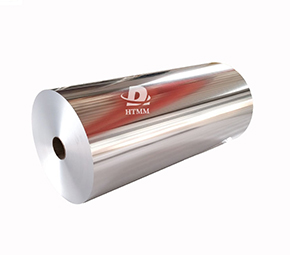
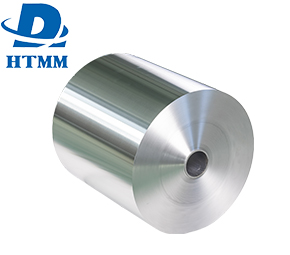
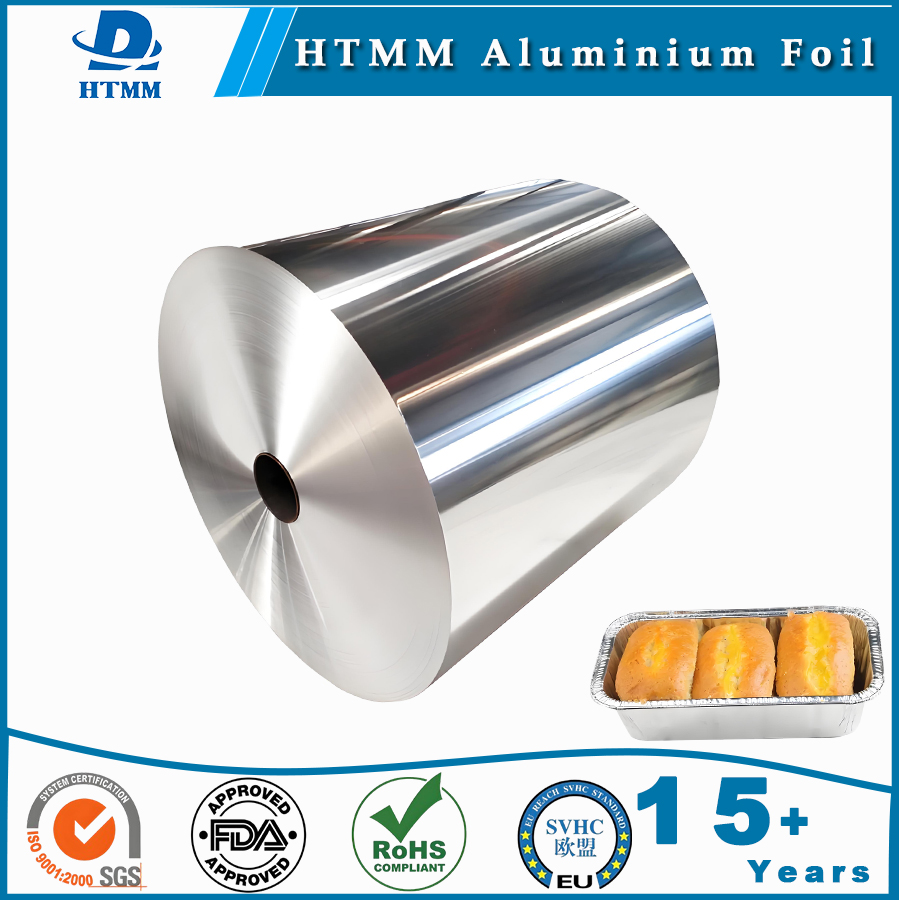
 Aluminum Foil is an essential kitchen assistant in our daily life and an important material in industrial production. However, did you know that the performance and application situation of aluminum foil differ greatly depending on the thickness of the foil? Choosing the right thickness of the foil will not only improve usability, but also reduce waste and effort.
To understand the thickness of aluminum foil, we start with micrometers.
The thickness of aluminum foil is usually in micrometers (microns) or millimeters (millimeters). 1 micron is 1/1000 millimeter the thickness of aluminum foil generally available on the market is 6 to 30 microns, and in industrial applications it is more than 200 microns.
Think of the thickness of aluminum foil as the weight of paper. There are various USES such as light sticky paper and heavy jam paper.
Each thickness has different characteristics and different scenes.
Ultra thin (6 to 10 micrometers): fine packaging
This thick aluminum foil is light, soft, has excellent adhesion and is suitable for wrapping food with irregular shapes.
6 -10 Micron Aluminium Foil Use:
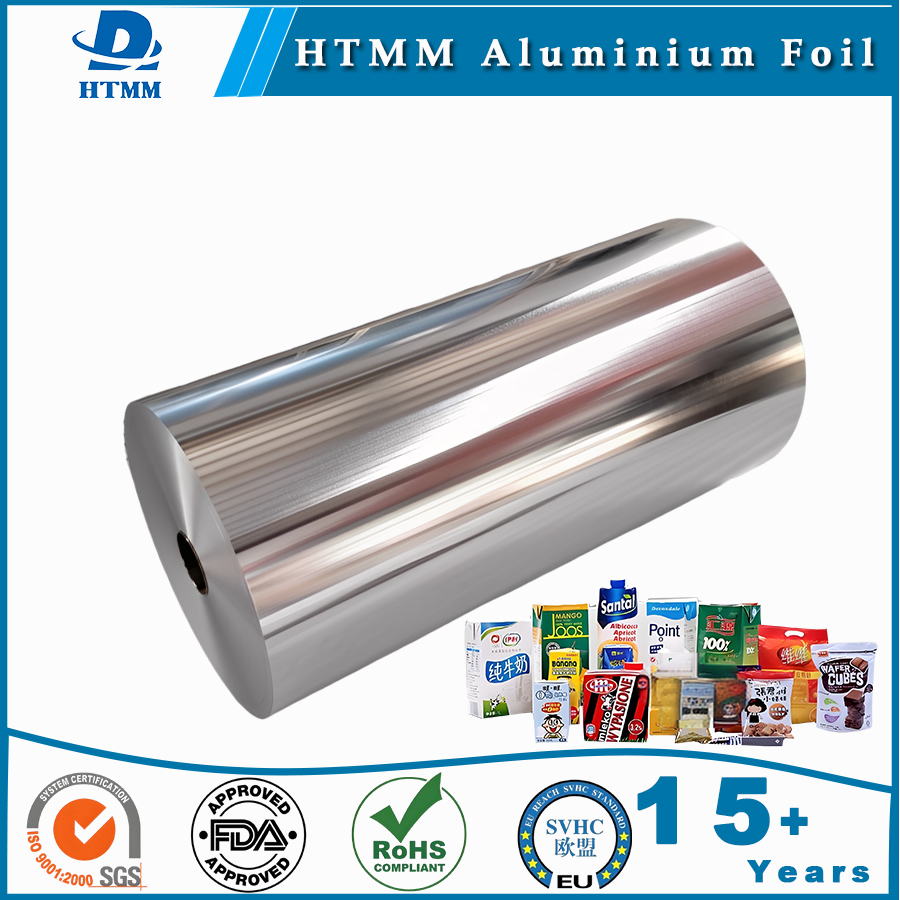 1. It's a lovely package of chocolate and candy.
2. It's a temporary finish for the pastry decoration.
3. Short-term storage of cold food.
4. Art and craft making.
5. Cautions: thin aluminum foil is easy to tear and is not suitable for wrapping pointed food or cooking at high temperatures.
10 Micron-20 Micron Alu Foil For Standard Household Use
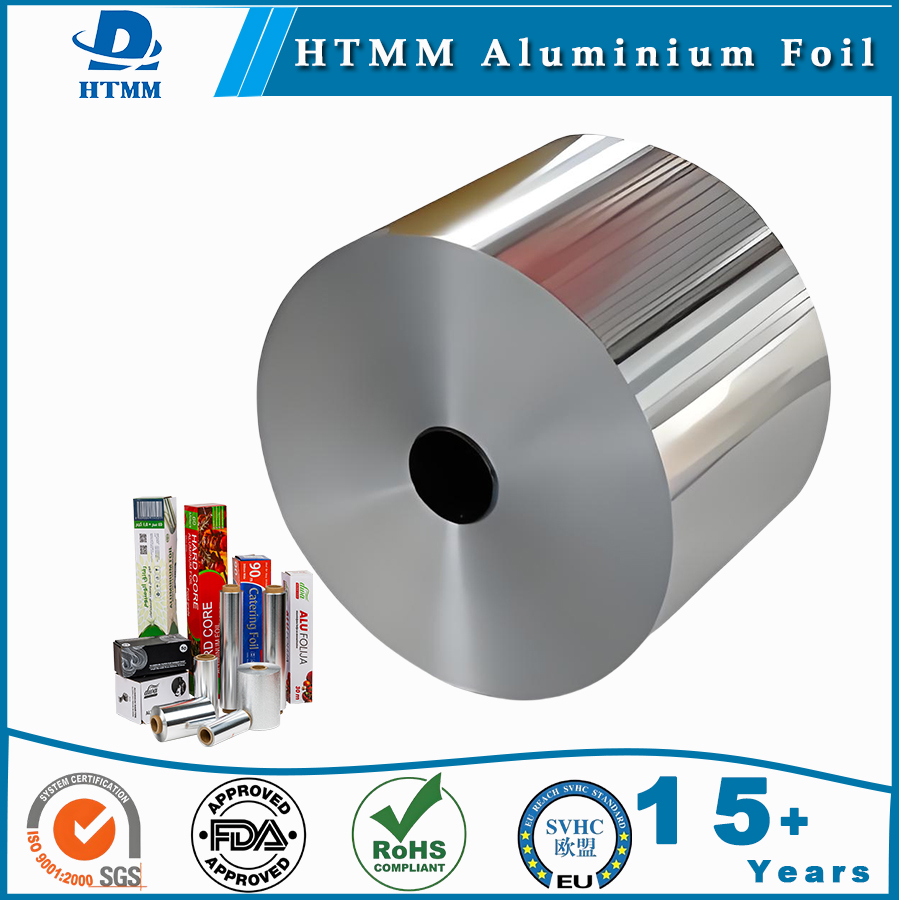 This is the thickness of the most common home aluminum foil, which offers a balance between flexibility and strength.
1. Bake (wrap vegetables and fish). When you bake it, you wrap it up.
2. Long-term preservation of refrigerated food.
3. Cover the dish and keep it fresh.
Example: when sweet potatoes are wrapped in 12 micron aluminum foil and placed in an oven, they are too thick and do not affect heat conduction while retaining moisture.
Thick type (16-20 microns): expert in high temperature cooking
Thickened aluminum foil provides excellent tear resistance and heat insulation, making it suitable for cooking at high temperatures for a long time.
To apply:
It's a long slow barbecue.
Outdoor barbecues come in direct contact with charcoal.
Completely airtight cooking (such as grilling with salt) is required.
It may be used repeatedly.
Professional tip: when you make a barbecue using 18 micron aluminum foil, the bottom is not easy to tear and the gravy is not lost.
Special thickness type (21-30 micron +): industrial strength.
This aluminum foil is commonly used in professional kitchens and industrial areas with excellent durability and barrier performance.
To apply:
Professional food batch cooking
It's a takeout pack that needs to be kept warm for a long time.
Packages of drugs and cosmetics.
It's an industrial insulating material.
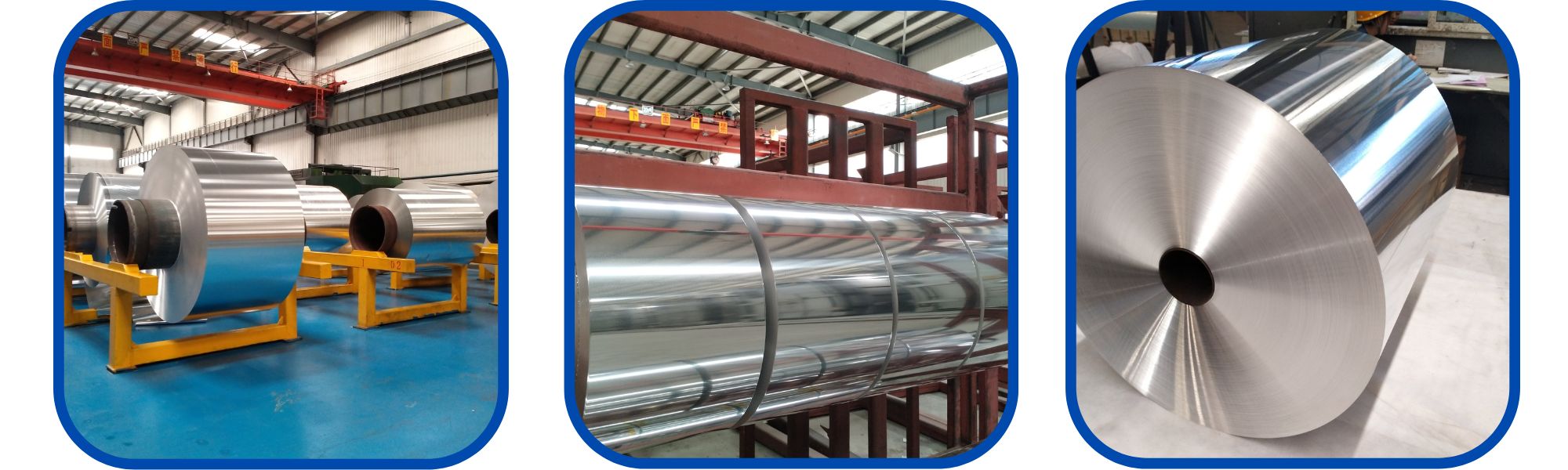
Faced with the aluminium foil selection, ask yourself four questions.
What is the cooking temperature?
Cooking at high temperatures (over 200 ° c) requires a thickness of at least 15 microns to prevent the aluminum foil from breaking.
What kind of food are you wrapping?
For food with bones and sharp edges, you need thick aluminum foil.
How long will the parcel take?
It is recommended to use thick aluminum foil (more than 15 microns) for long-term cryopfreezer storage, which prevents freezing cracks and freeze-burn (frostbite).
Are you using double?
If you use the same foil several times, it is better to choose a foil of 18 microns or more for durability.
Special demand, special selection.
Acid foods: acidic foods such as tomatoes and lemons can slightly corrode aluminum foil. It is recommended to thicken the aluminum foil or layer the oven sheet inwards.
Care for the environment: thick aluminum foil is more durable and can be used repeatedly, so it is more environmentally friendly in the long run.
Microwave warning: aluminum foil should not be put in the microwave. There is a risk of fire, causing arcing, breaking equipment.
That you can use for buying tips.
View packaging labels: genuine products are marked in thickness.
Touch test: the thicker the foil of the same size, the harder the hand feels.
Brand reference: famous brands generally have more accurate thickness control
Cost performance: it's best to match your needs, rather than blindly asking for thickness.
In conclusion
Choosing the correct thickness of aluminum foil is like choosing the right tool for the job, such as scissors for cutting paper or cutting boards for cutting boards. Knowing the secret of aluminum foil thickness not only improves the cooking effect, but also eliminates waste and maximizes value.
The next time you buy it, take the time to think about your needs and choose the "right thickness". After all, the best thing is you know what the ingredients need.
Small note: using aluminum foil, matte noodles absorption is fast, suitable for wrapping food. The bright surface reflects thermal radiation and is suitable for covering the surface of food. With this, the food will be up!