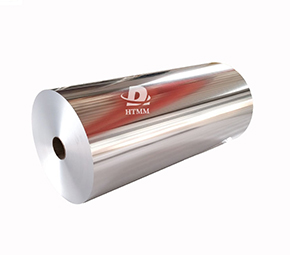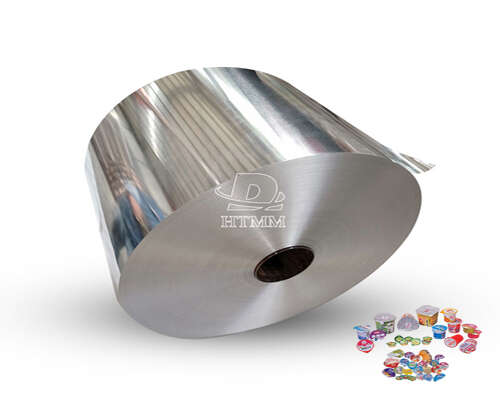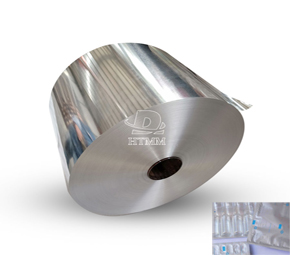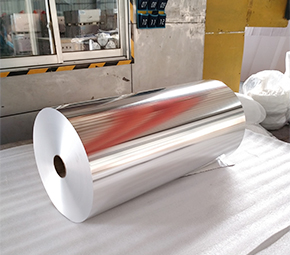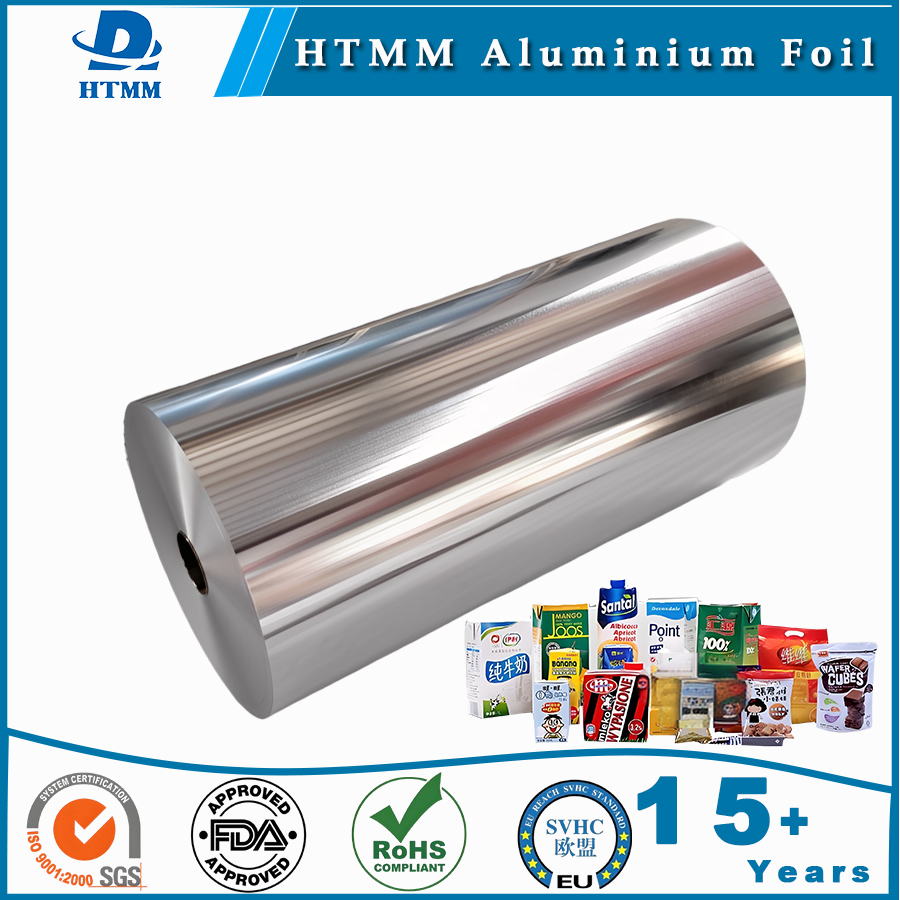
Assure safety and eco-friendliness, maintain freshness and moisture resistance, and control expenses. Aluminum Foil 6.5 μm is a product that truly merits your full attention if you are currently in the paper packaging, composite film, or food tray business. It is more than just a raw material specification; it is a "golden key" that enables you to improve the quality of your product and open doors in the global market.
The Ideal Companion for Paper-Plastic Composites-Aluminium Foil
One material frequently finds it difficult to satisfy all of the requirements in the field of food packaging. For example, basic plastic bags lack structural strength and have the potential to release offensive scents, while regular paper cups are prone to leakage. However, these typical problems are completely resolved when Aluminum Foil 6.5 μm is laminated with paper.
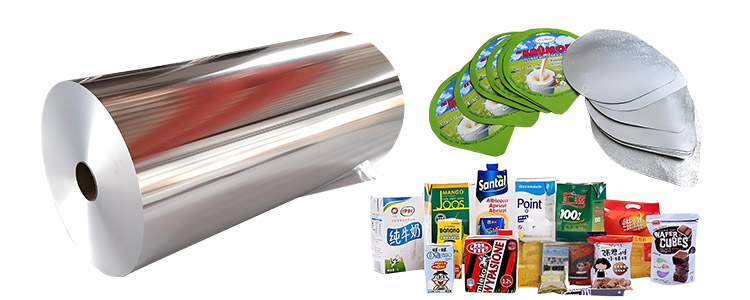
This composite material has an extraordinarily broad variety of uses, encompassing almost all food packaging situations where airtightness is a crucial need. This material is essential to many products, including hot beverage cups for milk tea and coffee, takeout containers for meal delivery, packing pouches for pet food or potato chips, disposable food trays, and aseptic milk cartons.
Aluminum foil 6.5 μm gives paper outstanding barrier qualities; it effectively blocks out light and repels water and grease, thus extending the shelf life of food. It is therefore the best option for high-end food packaging solutions.
Why 6.5 μm? Isn't It Better to Be Thicker?
A common belief among entrepreneurs is that "thicker equals stronger." But when it comes to composite aluminum foil, Aluminum Foil 6.5 μm is the real "golden thickness."
To begin with, it is sufficiently thin. When compared to traditional, bulkier aluminum foils, the 6.5 μm thickness dramatically reduces raw material costs, making your products considerably more inexpensive.
Second, it's hard enough. Aluminium Foil 6.5 μm has a narrow profile, but when processed professionally, it has exceptional tensile strength and flexibility. These characteristics guarantee that the material doesn't rip during compounding or further molding processes, fully meeting the demanding requirements of the lamination process.
Above all, it is environmentally friendly. Because of its ideal thickness, it provides good barrier performance and is much simpler to recycle and process than thicker aluminum foils. This makes it ideal for the current global market trends and demands for sustainable, "green" packaging. The main feature that makes this material unique among many specifications is the combination of these three elements.
6.5um Aluminium Foil Direct Interaction with Food? First and foremost, safety
This is the top priority for anyone employed in the food industry: Can products made of composite 6.5 μm aluminum foil come into close contact with food? Yes, it is reliable, safe, and fully compliant.As long as it is supplied legally and meets food-grade standards, 6.5 μm aluminum foil has a clean, treated surface free of hazardous chemicals and odors.
Numerous reputable certifications, both domestically and internationally, have long confirmed its safety for food contact. It ensures zero migration of hazardous materials, perfectly protecting the basic standards of food safety whether it is used in direct contact with baked goods and cooked foods or as the inner lining for beverage packaging. This is a necessary precondition for export traders to effectively enter upscale markets in Europe, the Americas, Japan, and South Korea.
Aluminium Foil Lamination Composite Material's Four Main Benefits
why products made by laminating 6.5 μm aluminum foil with paper might be your most profitable instrument.
Ultimate Barrier Protection: Preserving Aroma and Freshness This is what aluminum foil is all about. It keeps food fresh for longer by successfully blocking out moisture, oxygen, and odors. Products created using this material routinely have much greater repurchase rates than those made with regular paper packaging.
firm Structure & Aesthetic Appeal—Improving Brand Image: The resulting cups and boxes keep their shape better because the laminated material is more firm. Additionally, because of the strong metallic sheen that creates a luxury visual style, you can easily fetch a higher price on the market.
Exceptional Heat Resistance—Versatile Temperature Range: The 6.5 μm aluminum foil composite is extremely versatile across a wide range of applications because it is structurally stable and neither deforms nor releases harmful substances when heated in an oven or while holding hot beverages.
Controllable Costs & Ample Profit Margins: You may achieve high-performance capabilities with a thickness of only 6.5 μm, which keeps your raw material costs under control. This enables you to give your clients extremely competitive rates while maintaining solid profit margins.
6.5 μm aluminum foil and its composite products are a great strategic option if you're looking for fresh growth opportunities in the very competitive packaging sector. It fully aligns with current eco-friendly trends and meets customer demands for premium-quality packaging by effortlessly combining high performance, cost-efficiency, and safety. With years of extensive experience in the aluminum foil sector, we are well aware of the difficulties that come with conducting business.
We are prepared to offer you a customized, one-on-one solution if you are looking for a reliable and superior source for 6.5 μm aluminum foil, whether for large-scale production or new product R&D. The secret to a successful business is to use the appropriate materials. We are eager to work with you to provide the world with high-quality packaging products.