The first step is customized alloy melting. Aluminium foil for Lamination packaging usually uses 8011 or 8079 alloys, not pure aluminum. Certain amounts of iron and manganese are added to high-purity aluminum fluids. These trace elements make aluminum foil stronger, more heat resistant, and produce a smoother surface, preventing bulging or delamination during lamination. First, high purity aluminum refined from bauxite is cast in the furnace and trace elements are added in proportion. Once thoroughly mixed, it is cast into 20-50mm thick aluminum billets. High precision milling cutters are then used to remove impurities and minor defects from the surface of the aluminum billet to ensure its purity. This is the foundation of the next successful lamination.
The second step is precise gradient rolling, which is crucial for achieving the perfect thickness of 7mic and 8mic aluminum. The aluminum billet first enters a roughing mill, where it is repeatedly rolled to a strip thickness of 2-3 mm. This stage mainly involves shaping and thinning. This is followed by a high precision finishing mill using tungsten carbide rolls. These rolls are exceptionally wear-resistant and will not deform due to high temperatures during rolling. During finishing, a "gradual thinning" method is used, reducing the thickness of the aluminum strip by only 1-2 µm each time, gradually rolling it to the target thickness. The process is twice as slow as conventional rolling, but it avoids problems such as pinholes and uneven thickness in aluminum foil. Furthermore, the temperature of the oil during rolling must be strictly controlled at about 50 °C to avoid oil penetration on the aluminum foil surface, which would affect the result of subsequent lamination.
The third step is directional annealing for shaping. The rolled aluminium foil for flexible packaging is hard and brittle, and must be softened through annealing. The 7 Micron aluminum foil is heat treated at 220 °C for 4 h, while the 8Mike aluminum foil is heat treated at 230 °C for 5 h due to its slight thickness. These temperatures and times are repeatedly adjusted to keep the foil in a soft, oxidized state for easy bending and shaping during lamination, as well as to stabilize its internal crystal structure to prevent shrinkage and deformation during high-temperature cooking. After annealing, the aluminum foil surface is cleaned with a food-grade cleaner to remove residual oil from the rolling process; Otherwise, the adhesive will not adhere properly, resulting in delamination after lamination.
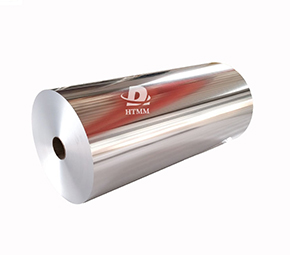
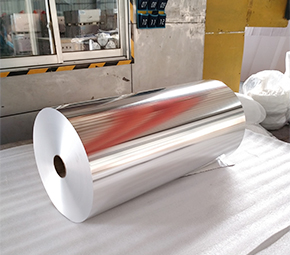
The last step is slitting, winding, and inspection. The aluminum foil is torn into rolls of different widths depending on the customer’s requirements. During winding, the 7mic aluminium foil has a low tension to prevent thinning and tearing, while the 8mic aluminum foil can have a slightly higher tension to ensure a neat roll shape. Before leaving the factory, a composite must be tested: the aluminum foil sample and the PE film are laminated, and then placed in a high pressure cooker at 135 °C for 30 min. After cooling, check for delamination of the composite layer, deformation of the aluminum foil, and pinholes. Tensile strength and sealing performance are tested at the same time. Only when all standards are met can the product be labeled "for flexible packaging" and shipped.
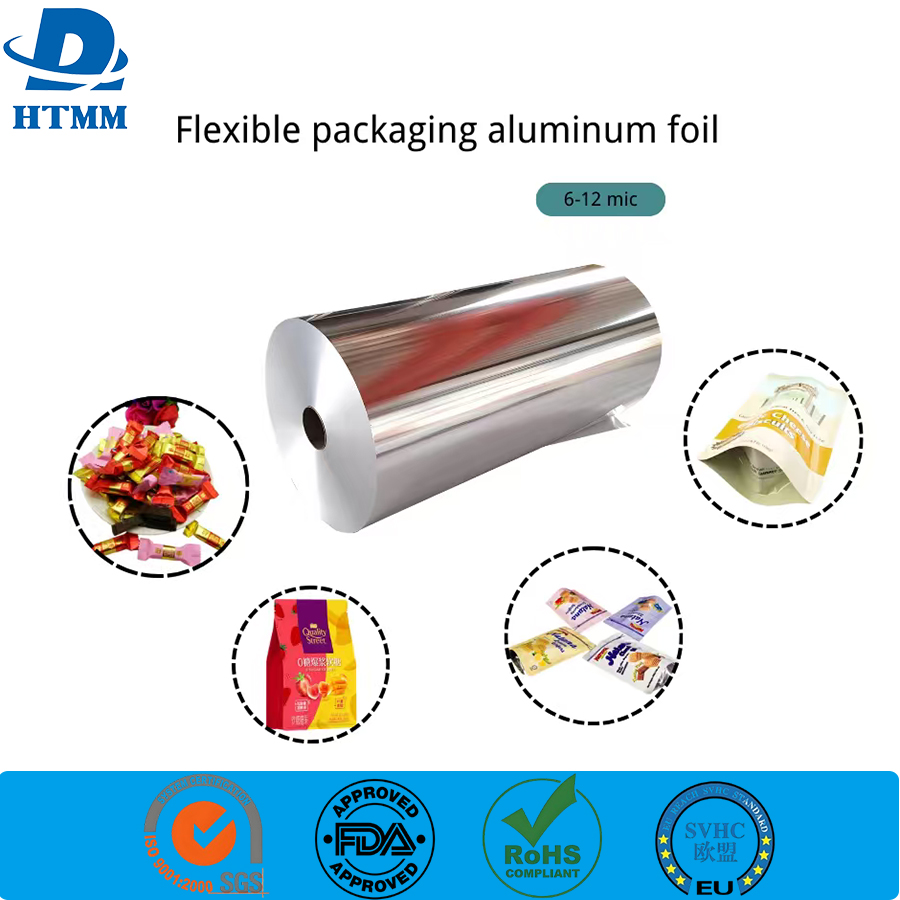
People often have many concerns when purchasing and using aluminum foil. Here are some frequently asked questions explained in simple terms to help you avoid pitfalls.
Question 1: Which plastic film should be paired with 7mic and 8mic aluminum foil?
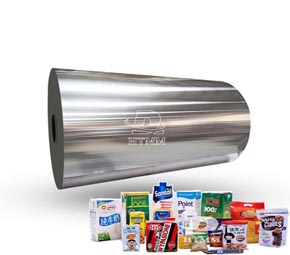
Remember this simple principle: "For mass-market products, choose 7mic + PE/CPP; for high-end products, choose 8mic + nylon/PET; for pharmaceutical products, choose 8mic + PTP." 7mic aluminum foil laminated with PE or CPP film is inexpensive and can withstand 121°C retort cooking, making it suitable for packaging braised foods and everyday essentials. Laminated with nylon or PET film, 8mic aluminum foil has strong puncture resistance and can withstand 135°C sterilization, making it suitable for high quality food and pharmaceutical packaging. For packaging fresh produce requiring long-term storage, 8mic + EVOH film is a better choice, offering stronger barrier properties and better storage.
Q2: Will the laminated film separate, and how can this be avoided?
Qualified material will not delaminate easily. Delamination is most likely to occur for three reasons: first, oil staining of the aluminum foil surface prevents the adhesive from adhering properly; second, inadequate or uneven application of the adhesive during lamination; and third, improper control of the lamination temperature. When purchasing, choose a reputable manufacturer and ask them to provide the appropriate adhesive type and lamination parameters. To avoid this pitfall, check the lamination with the sample first to make sure there are no problems before placing a bulk order.
Q3: What is the minimum order quantity, and can the width be customized?
Generally speaking, the minimum order quantity is 3 tons for 7mic aluminium foil for flexible packaging , and 5 tons for 8mic rolls, due to higher production and debugging costs for 8mic aluminum foil. The width can be fully customised, from a narrow width of 10 cm to a wide width of 2 m. The manufacturer will match the inside diameter of the aluminum foil roll (usually 76mm or 152mm) according to the model of your laminating machine to ensure there are no deflections or jams during machine operation, saving you a lot of trouble.