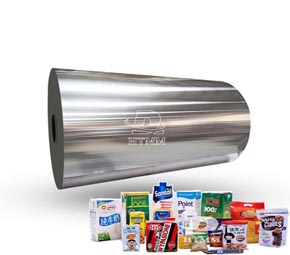
A variety of thickness requirements correspond to different packaging situations. And choosing the right thickness is the key to balancing blocking performance, mechanical strength, and processing costs. Ultra-thin aluminum foil (6–12 micrometers) has a light texture, excellent flexibility, smooth surface, no holes, and very low permeability. The thickness of six micrometers is only one-tenth of a hair, but it is definitely enough to create a shield against light, oxygen, moisture, and bacteria. It is widely used for chocolate packaging, tea packaging, cigarette lining, etc. in light situations such as coffee packaging and seasoning powder. It is ideal for continuous production in high-speed briquets. Medium-thick aluminum foil (15–30 microns) has stronger anti-permeability and tensile strength and has greatly improved strength. Therefore, it is often used with plastic films. It is used for the packaging of baked food, frozen food, dairy products, and high-temperature sterilized
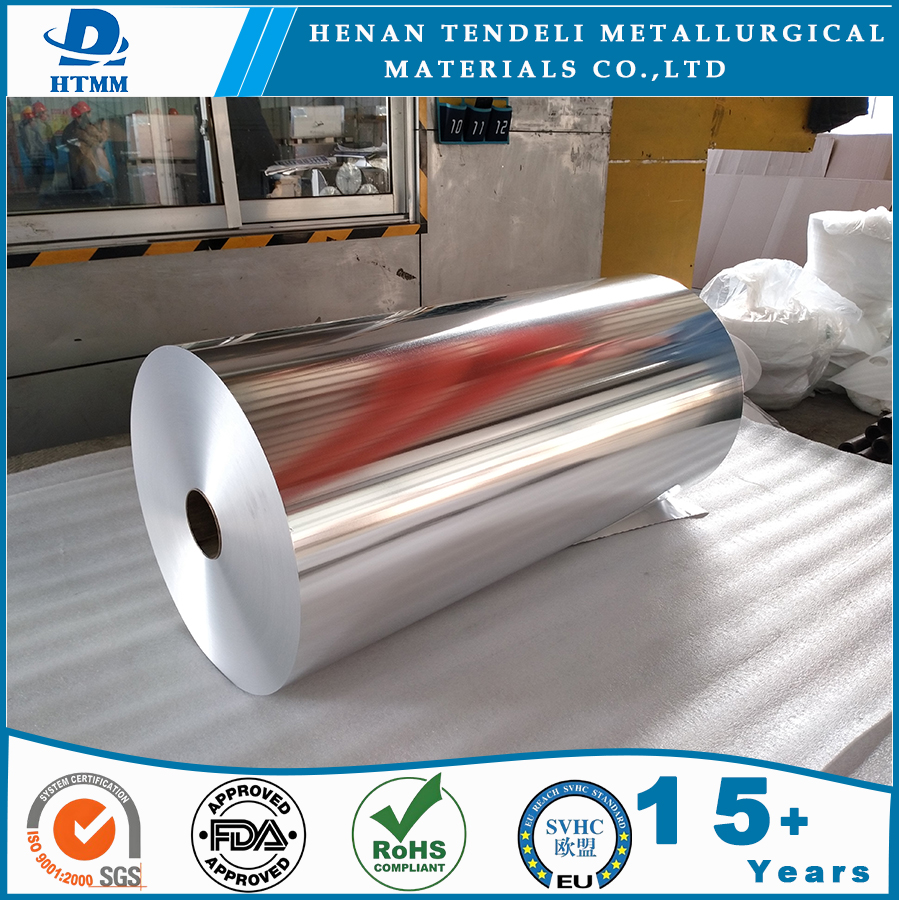
Aluminum foil has become one of the main options for food packaging due to its unique physical and chemical properties. Excellent blocking performance is the most important advantage of aluminum foil, which can block 100% light, oxygen, moisture, and microorganisms, which is the main factor in food spoilage. According to research, aluminum foil, which is only 6 micrometers, is also considered a definite obstacle. Effectively prevent moisture, oxidation and deterioration of food. And the ability to block this all aspects can extend the shelf life of food by three to five times. The preservation of antibacterial substances is another great advantage of aluminum foil. And high-purity aluminum has natural antibacterial properties. Making it difficult for bacteria or microorganisms to survive on the surface of aluminum foil that has been treated at high temperatures, especially for foods that are low in salt and oil. Aluminum foil packaging does not need preservatives. And can extend the same time, environmental sustainability is also an important value of aluminum foil. And despite the high energy consumption
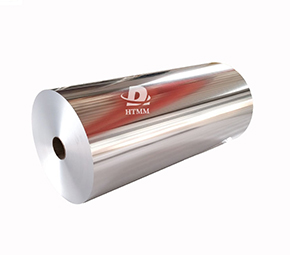
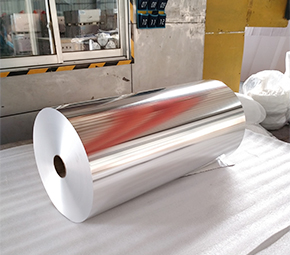
High-quality 6 to 50 micrometer large aluminum foil rolls are strictly controlled from the source and manufactured using food grade and pharmaceutical grade alloy rods. With advanced cold rolling equipment and intelligent online inspection systems, thickness tolerance, surface smoothness and the number of pinholes are strictly controlled throughout the process to ensure that the thickness of each roll of aluminum foil is uniform, smooth and oily surface or scratched. In terms of quality control, food grade aluminum foil must meet strict standards of FDA and EU. The lead content of heavy metal transfer limits must be less than 0.01 mg. /Kg. The purity of aluminum foil must be more than 99.7% and the surface roughness must be controlled at Ra <0.5μm. NSF certified food grade lubricants are used in the production process to ensure that the aluminum foil comes into safe contact with food. Pinhole inspection is an important step in quality control. And the pinhole diameter of food packaging foil must be ≤0.3 mm. And the density should be ≤5/m². Small pinholes can destroy the integrity of the block and cause the contents to deteriorate. The finished large roll aluminum foil has excellent blocking, heat sealing and excellent heat resistance. Therefore, it realizes 100% blocking of shade and oxygen and slows down the oxidation and moisture formation of the product. And it can also be perfectly adapted to various environments such as high-temperature composites and low-temperature cooling during modern production. And the material is resistant to cracks and wrinkles in high-speed machining, which indicates high bending strength.
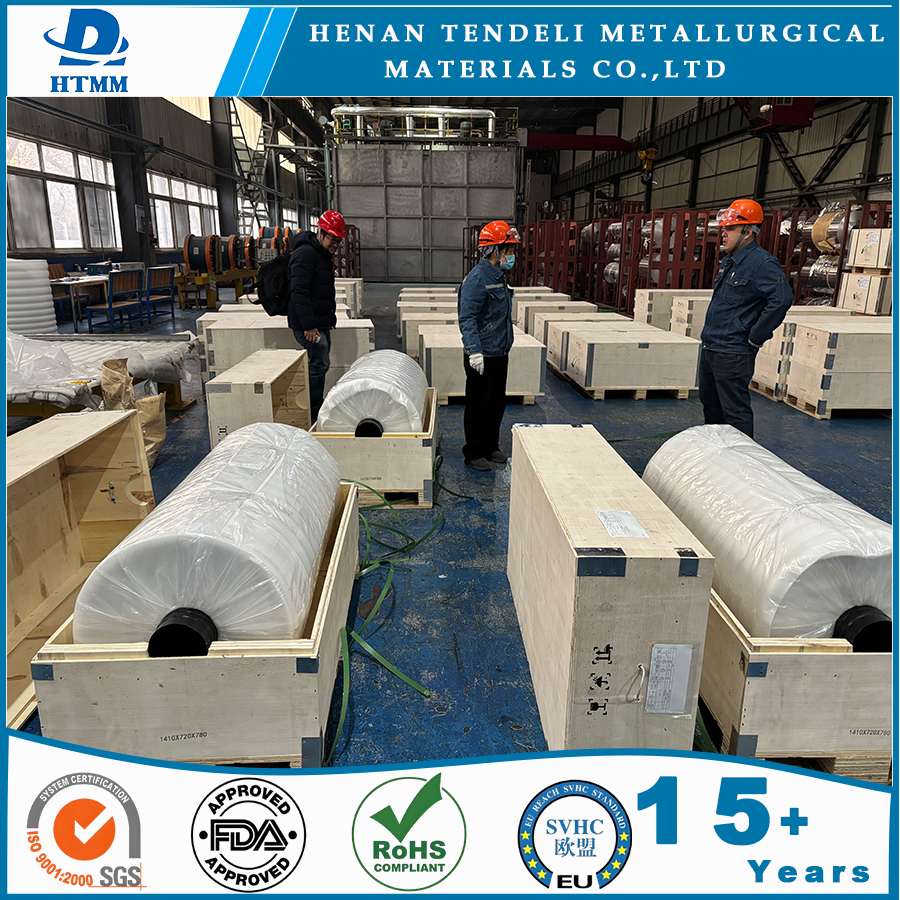
As a professional large roll aluminum foil factory, we provide comprehensive customization services. Customers can freely choose within the thickness range of 6 to 50 micrometers according to their specific packaging requirements. And the width can be customized from 100 mm. Up to 1500 mm. Or more, and can adjust the length as needed, alloy components, thickness, width, etc., roll length, surface treatment or packaging methods can all be customized. Factory direct delivery gives customers a great competitive advantage. And by working directly with the manufacturer compared to traditional multi-layer intermediate purchasing methods, it greatly reduces the cost of purchasing raw materials and avoids problems such as mismatched specifications, batch color differences, and lack of back support. With stable quality, competitive price, and flexible customization capabilities, factory-direct delivery is a preferred supply channel for large packaging companies and the food and pharmaceutical industry.
The global aluminum foil packaging market is constantly growing, with the global aluminum foil packaging market reaching $38.2 billion in 2024 and expected to increase to $53.3 billion in 2033 as the application of products in the food and beverage industry continues to increase, and the demand for reliable, lightweight, and high-priced packaging solutions continues to increase in the demand in the food and beverage industry, which is a major driving force for market development. In the future, food packaging aluminum foil will develop deeply into high performance and multifunction, and innovation in addition to basic fracture capabilities will focus on strengthening mechanical strength and hole resistance, and will combine convenient features such as intelligent tear protection and new seal design. Sustainable development remains a major driving force and continues to break through in the direction of reducing the thickness reduction and recycling and low carbon dioxide. Large rolls of 6–50 microns of aluminum foil has become an indispensable raw material in the food packaging industry with precise thickness grading, excellent blocking performance, flexible adaptability in.