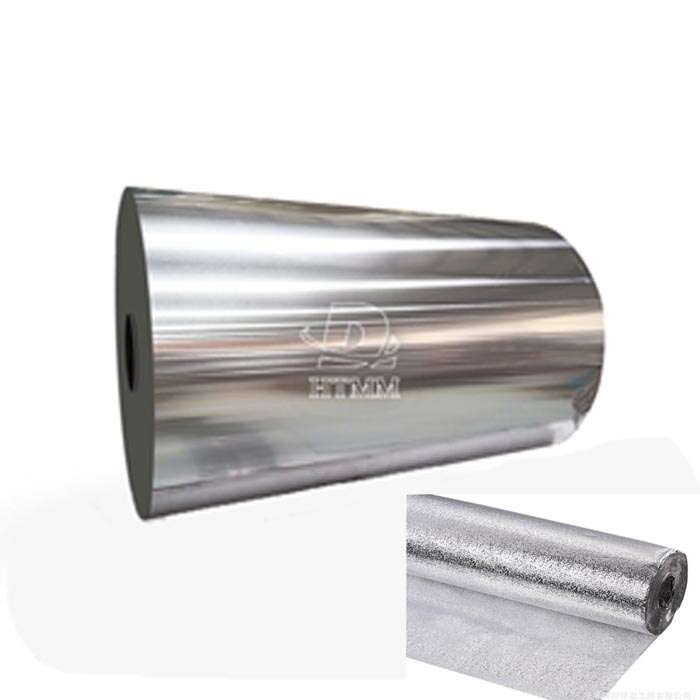
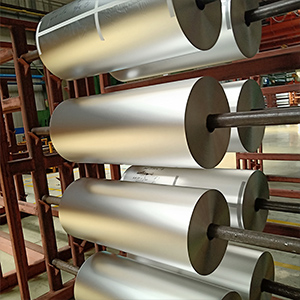
 How thick is 14 microns Alu Foil?
First let me clarify the concept of "14 microns". One millimeter equals 1,000 microns, so 14 microns is 0.014 millimeters—considerably thinner than the typical plastic wrap we use in our homes. Despite being thin, it works remarkably well for roof waterproofing.
The principal material of this aluminum foil is 8011 alloy in "O" temper (fully annealed condition), making it soft and very flexible.
How does it achieve waterproofing?
Aluminum foil is a metallic material that acts as a complete barrier against water vapor. When laminated with a waterproof material such as asphalt or butyl rubber, it creates a strong, airtight waterproof barrier. Because it is impervious to water vapor, it effectively prevents problems such as mold growth, rust, and corrosion within the roof structure.
More critical is its exceptional heat-reflective performance.
The raw material for this type of aluminum foil is 8011 aluminum alloy, which contains small amounts of iron and silicon in addition to aluminum. Why are these ingredients added? because they improve the strength and corrosion resistance of the foil. During production, the alloy melts into a liquid and is poured into thick ingots; It then goes through a series of rolling passes—getting progressively thinner—until it reaches a final thickness of 14 microns. The process also involves annealing—heating the foil in a high-temperature furnace to retain temperature and then slowly cooling it—that makes it soft and pliable rather than brittle and prone to cracking at the slightest touch. As a result, the 14-micron foil you receive is thin yet strong, able to withstand handling and crumpling without tearing easily.
Why is aluminum foil necessary for waterproof membranes?
One might ask: Can’t the black asphalt coating be waterproof on its own? Why is an aluminum foil layer necessary? The bottom line is that only asphalt is vulnerable to sunlight. Upon direct sun exposure, ultraviolet (UV) rays cause asphalt to age and become brittle; The surface cracks, causing them to fail in just a few years. The aluminum foil acts like a sun protective fabric for the asphalt, blocking both UV rays and heat. Because aluminum foil is resistant to sunlight, water absorption and rust, it protects the underlying asphalt layer, which in turn protects the roof structure; This combination effectively provides "two layers of insurance." Without this aluminum foil layer, even high quality asphalt screens will not last long.
Where else can you use it but on the roof?
The 14 micron aluminum foil waterproofing membrane isn’t just for roofs; It has a much broader application than one might imagine. Take, for example, factories with colored coated steel roofs: in the summer heat, the temperature of the metal roof can rise to 60 or 70 degrees Celsius—making the interior unbearable—but the installation of this membrane can reduce the temperature by more than ten degrees. It is also used in subway tunnels and underground utility corridors; These wet underground environments require higher waterproofing standards than surface structures and the aluminum foil screen provides long-lasting moisture protection. Grain depots and cold storage facilities also use it—grain depots need to stay dry to prevent mold, while cold storage requires thermal insulation—making the foil’s radiation reflective and moisture resistant properties ideal. It can even be found in the impervious liners of large-scale landfills.
How does it differ from aluminum foil used for grilling?
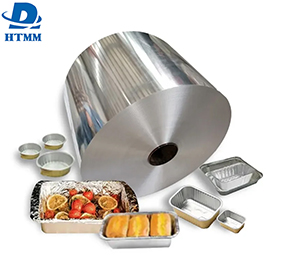
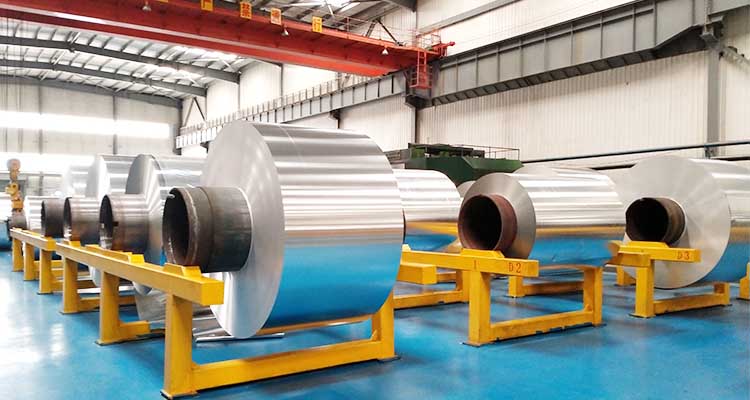
Many people assume the two are the same because they use grilling foil at home, but there are significant differences. Grilling foil is usually made of pure aluminum (e.g. 1235 or 1100 alloy); It must be non-toxic and heat resistant, and it's usually a bit thicker. In contrast, waterproofing foil uses 8011 alloy, which provides high strength and tensile properties; Its surface is specially cleaned and treated to ensure a firm bond with the asphalt. Moreover, waterproofing foil has very strict requirements in terms of "pinhole rates"—even a pinprick-sized hole allows moisture to enter, thus compromising waterproofing effectiveness. So you can’t just use grilling foil for roofing; Professional work requires professional grade materials.
What is the potential of this product?
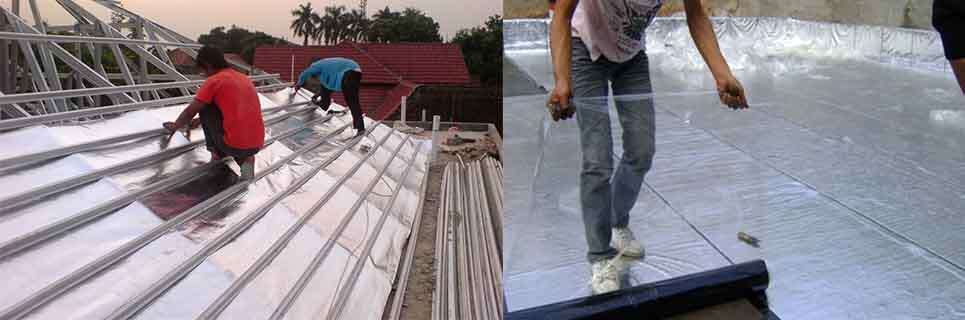
Traditional waterproofing materials are being phased out with increasingly stringent national standards for energy efficiency and environmental protection. The 14-micron aluminum foil waterproofing membrane is both energy-efficient and durable, perfectly matching the trend towards green building materials. Moreover, advances in processing technology have lowered manufacturing costs, making high-quality waterproofing materials—once considered too expensive—accessible to ordinary homeowners for building and roof repairs. Looking ahead, the material will evolve to become even lighter, stronger and more eco-friendly—for example, through the development of recyclable composite formulas and reduced manufacturing energy consumption. In short, the market for aluminum foil waterproofing membranes has huge potential and represents a key material in transforming and upgrading the construction industry.