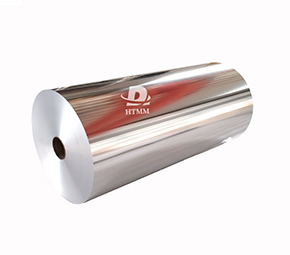
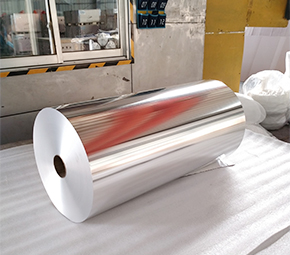
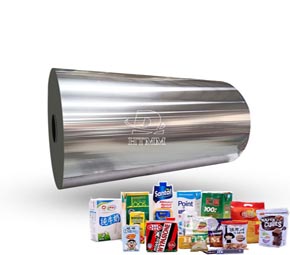
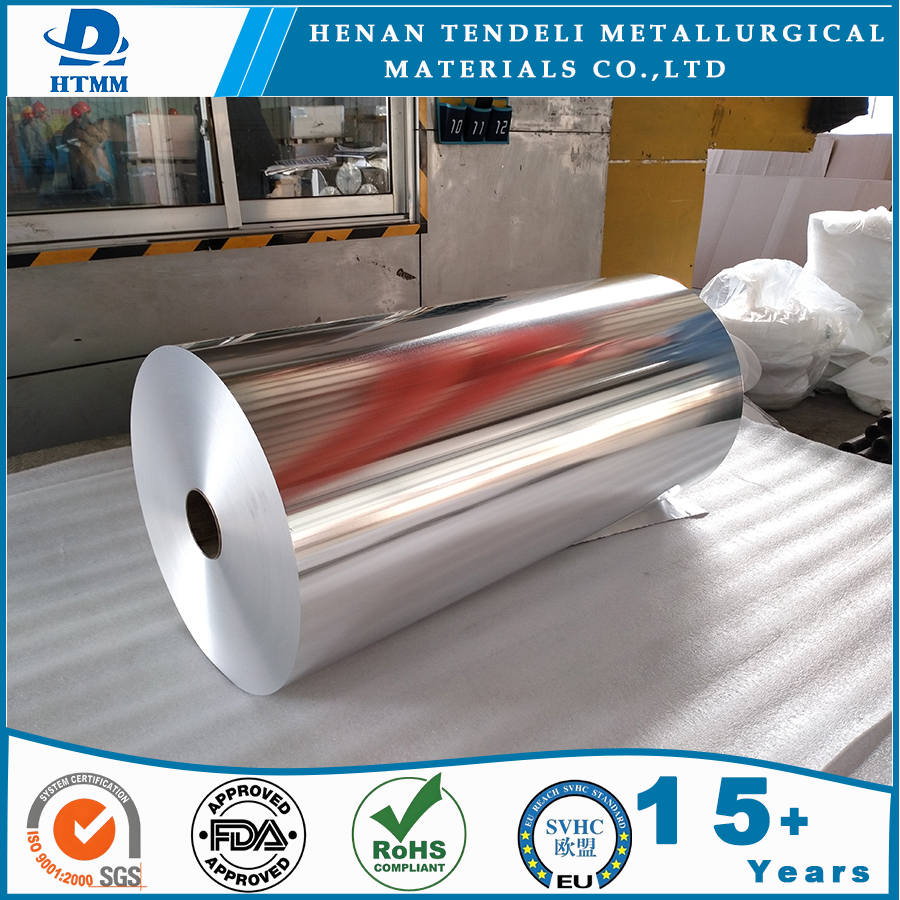
Aluminum foil 8079 in jumbo roll form serves as a good raw material for converters using aluminum foil with PET, PE, paper, and other substrate materials. This foil has emerged as a popular flexible packaging foil that manufacturers use for the production of light-weight packages with effective barrier and superior performance manufacturing.

 Benefits of using Aluminum Foil 8079
The major benefits of using 8079 foil include good barrier efficiency, excellent surface quality, and uniform thickness that are required for the production of quality laminates and reduce chances of having pinholes in thin-gauge foil.
Why Use 8079 Foil for Flexible Packaging? There are many benefits to using 8079 aluminum foil in the flexible packaging industry. It is appropriate for the light gauge of packaging, thus making it suitable for high barrier composites. A 8079 jumbo roll makes it easier for converters to slit and laminate materials according to production processes. When buying 8079 aluminum foil for flexible packaging, customers need to consider the thickness tolerance, mechanical properties, keep the surfaces clean and check the pinholes rather than just looking for the alloy grade. There are fewer uses for 8079 foil than for food containers but there is a difference as well. While aluminum foil is relatively thin, container foil is thicker and can be used to produce trays, meal boxes, and other rigid or semi-rigid products.
Uses of 8079 Aluminium Foil
8079 aluminium foil can be used in a variety of packaging applications, such as:
Packaging of food, such as in the form of laminated bags, snack packaging, coffee bags, and food packages with high barriers.
Packaging in the pharmaceutical industry, where selected blister packaging, and different types of protective laminates will be present depending on the specifications to be met.
Flexible composite materials, such as aluminum foil laminated with PET, PE, paper, and different functional layers.
Special packaging, where protection from oxygen, moisture, and light is required.
When it comes to containers, businesses usually go for thicker aluminum foil grades based on the depth of the operation, sturdiness, and resistance to cracking. Container foil is different from flexible packaging foil since container foil has to undergo pressing and forming processes while keeping its shape and quality intact.
Moving to the Thickness of the Alu Foil
Any determined thickness depends on packaging structure, barrier requirements, and converting techniques. The basic options available here are about 6–12 microns, even though the final thickness must be determined based on testing.
Thickness Typical Application
6–7 μm Thin-gauge, high-barrier flexible laminates
8–9 μm Food packaging and lightweight composite materials
10–12 μm Flexible packaging requiring additional material thickness
15 μm and above Selected specialty applications, depending on design
These figures should be considered as guidelines and not applied universally. Actual performance of aluminium foil depends upon various factors such as the type of pinholes, construction of lamination, and application conditions. Aluminium foil used in the food packaging industry normally uses heavier gauges, which means that the thickness is usually around 30 microns with the actual thickness depending on the designs of the container and the methods of forming.
How to Choose a Reputable 8079 Aluminium Foil Supplier
It is important to choose an experienced manufacturer of 8079 aluminium foil for ensuring constant quality and efficiency of production process. The buyers should check the supplier’s rolling capacity, inspection techniques, dimensional precision, packing, and delivery reliability.
The following considerations should be taken into account when examining a 8079 foil bulk roll supplier:
Quality assurance. Check tolerances of thickness, pinholes, tensile characteristics, and surface quality.
Customization. Get a price list for thicknesses, widths, diameters, and diameters of the core.
Compatibility with production requirements. Make sure that the foil corresponds to your requirements concerning coating, printing, and lamination.
Supply capacity. Evaluate the supplier’s production capacity, extensive volumes of stock, and duration of production process.
HTMM sells aluminum foil products used for flexible packaging and food container applications. The company gives customized specifications to meet the various needs of different manufacturers. As a well-experienced 8079 Aluminum Foil Manufacturer, HTMM aims to provide top product quality, competitive price, dependable delivery, and responsive service.
Whether you need flexible packaging foil for high-barrier laminates or aluminum foil for food container applications, choosing the right alloy, thickness, and temper is essential in ensuring getting the desired results. With HTMM, you can discuss your requirements for an 8079 foil jumbo roll and get an adequate quotation for packaging production.
FAQs
1. What is 8079 aluminum foil used for?
8079 aluminum foil is mainly used for a flexible packaging application where an excellent barrier is required against moisture, oxygen, and light. Most common applications include food packaging, coffee pouches, snack packaging, pharmaceutical packaging, and laminated composite materials.
2. What thicknesses of 8079 aluminium foil jumbo rolls can be found in the market?
8079 aluminium foil jumbo rolls are most often manufactured in very thin thicknesses (6-12 microns) used for flexible packaging purposes. Larger thicknesses are also available based on the particular use, the required lamination structure, barrier properties, and type of converting process used.
3. What is the reason to choose 8079 foil and not 8011 or 1235 foil?
8079 foil is preferred by users in high-barrier flexible packaging as it possesses a good ductility level and is suited for rolling at thin gauges. 8011 foil is used to manufacture flexible packages and food containers, while 1235 foil is preferred for flexible applications and in various other applications where pure aluminium is needed. The choice of aluminium foil depends on gauge, requirements for pinholes, mechanical properties, and the required type of packaging.
4. Is it possible for HTMM to customize 8079 aluminum foil jumbo rolls?
There is no doubt that HTMM can talk to customers about custom specifications for 8079 aluminum foil jumbo rolls including thickness, width, roll size, and packaging requirements based on production capabilities and order information provided by customers. The customer must provide specifications and application of use to get an accurate price quote.
5. Which factors influence the price of the 8079 foil jumbo roll?
The pricing of the 8079 foil jumbo roll is based on the price of aluminum, foil thickness, width, order volume, processing requirements, packing, and shipping. To enable customers get an accurate quote, they must provide required alloy, temper, dimensions, quantity, and destination.