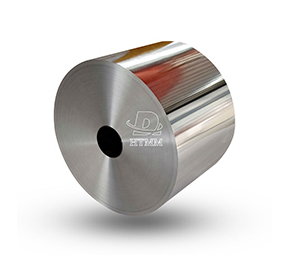
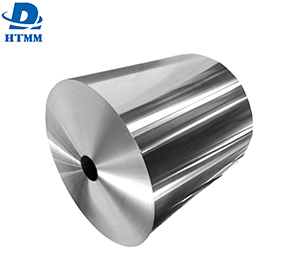
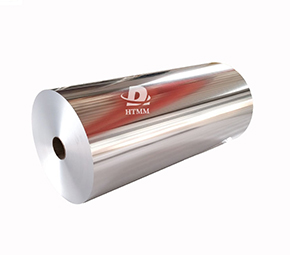
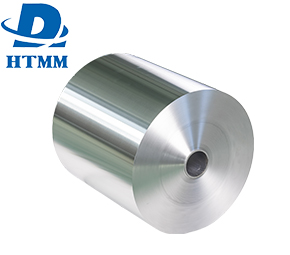
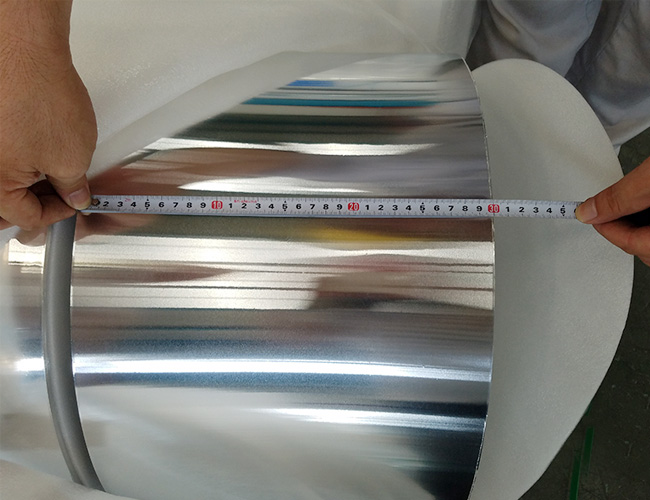
 Aluminum foil. They are everywhere in our kitchens, from the foils that wrap food to the sealing layers of medicine boxes to the glowing heat sinks in our air conditioners. And it's all sourced from a giant roll of "Aluminum foil master rolls"—like the "14Mic 300mm Aluminum Foil Jumbo Roll." The name sounds technical, but it's actually pretty easy to understand: "14Mic" refers to its 14-micron thickness, about one-sixth the diameter of a human hair; "300mm" refers to its 30 centimeter width; And "jumbo roll" means that one roll weighs several tons.
Aluminium Foil Production
Imagine a thick block of aluminum turned into thinner foil than paper. The process is like tempering the metal, which requires tremendous strength and extreme precision. It all starts with aluminum ingots. The factory heats ingots and other trace metals (such as iron and silicon) in a furnace to create boiling hot molten aluminum, then mixes the perfect "recipe" to achieve both softness and strength. This molten aluminum then goes through a process called cast rolling, in which cold water flows through a pair of giant copper rollers. The molten aluminum flows through the gap between the rollers, where it is instantly cooled and pressed into an aluminum strip about 6-7mm thick, still warm on the surface.
This is not thin enough; The next cold rolling process is the real crux of the matter. This thick strip of aluminum is then repeatedly passed through multiple stands of rollers, as if passing through a series of gates. With each pass, the gap between the rollers narrows, forcing the strip to become thinner and longer. This process requires incredibly precise control to ensure that the thickness is uniformly aligned towards the 14 micron target throughout the entire 300mm width, leaving no areas thicker than others. After several cold rollings, the aluminum strip achieves the desired thinness. However, it is still hard and breaks easily when bent, so you need to take another step to soften it.
The secret to combining hardness and flexibility—the magic of annealing and double-layer rolling
Aluminum foil rolled too thin becomes as brittle as cardboard—clearly unsuitable for soft-wrapping food. So it requires "SPA" or annealing in industry parlance. Workers place cold-rolled aluminum coils in a giant, sealed annealing furnace, heating them to several hundred degrees Celsius and maintaining this temperature for extended periods of time. This is like giving the foil, after countless trials and tribulations, a good nap at a high temperature, allowing the tensions within its structure to relax and the grains to recombine. After this "SPA" the foil loses its brittleness and becomes soft and pliable, giving us the familiar feeling we all associate with it.
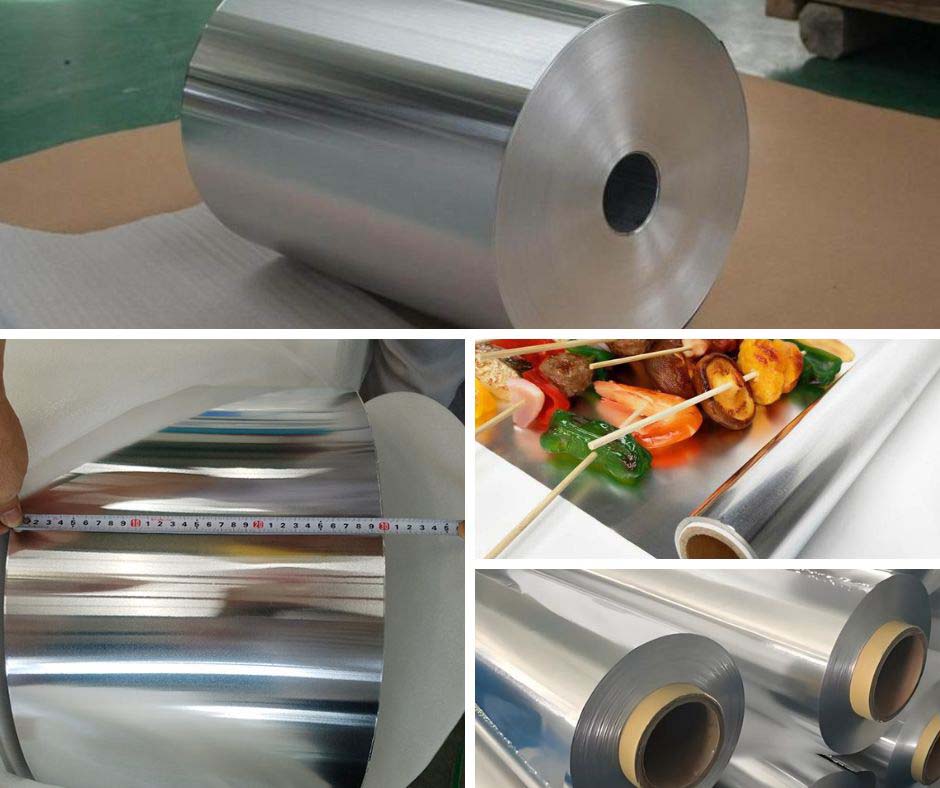
This raises another question: Why doesn’t the foil, which is only 14 microns—roughly the thickness of a cell—break under the pressure of rolling? The secret is double layer rolling. When the aluminum foil reaches a certain thickness, the engineers will stack two sheets together like a sandwich, grease the middle and feed it through rollers. Thus, the outer surface in direct contact with the roller is pressed to a mirror-like finish, while the inner surface of the two sheets facing each other becomes relatively matte. This is why household aluminum foil is shiny on one side and matte on the other. It is not a cover; It’s just the result of the process! This method not only prevents crushing of the very thin foil, but also allows two sheets to be produced simultaneously, greatly improving efficiency.
The other parent is surface tension. Why do two sheets of aluminum foil separate easily during double rolling without sticking completely together? The secret lies in the rolling oil added to them. This particular oil serves multiple purposes: firstly, lubrication, reducing rolling forces and friction; second, cooling, dissipating the heat generated by rolling; and, most importantly, thirdly, by its chemical composition and precise control of tension it forms a very thin, uniform film between two sheets of aluminum foil. This film allows them to stick tightly together as they pass through the rollers, yet allows them to separate cleanly later. Rolling oil formulation is a highly sophisticated chemical art, directly determining the surface gloss and cleanliness of the aluminum foil as well as the ease of roll separation.
"Guardian"—Packaging: This is the biggest case of it. Your Tetra Pak milk, your potato chip bag, your chocolate wrapper—they all have layers of aluminum foil. It is the ultimate "insulator", completely sealing out light, oxygen and moisture, preventing food from spoiling or losing flavor. Similarly, sheet packaged medicines (blister packaging) rely on aluminum foil to protect their efficacy and safety.
"Heat Waste Experts" - Air Conditioning Appliances: Take apart your air conditioner or refrigerator, and you'll find those shiny "fins" inside—actually made of this kind of aluminum foil. When punched into specific shapes, it significantly increases the heat dissipation area, improving cooling and heating efficiency