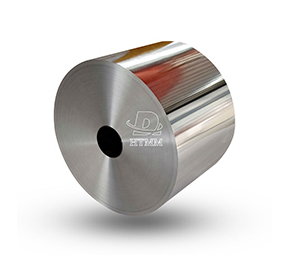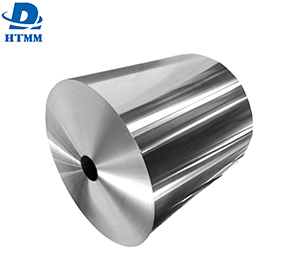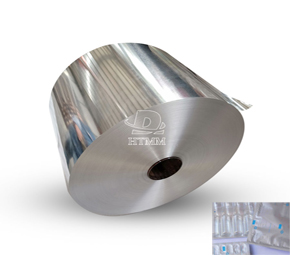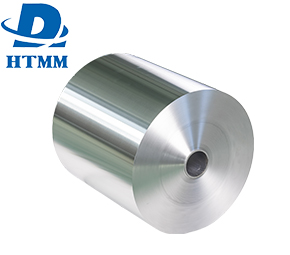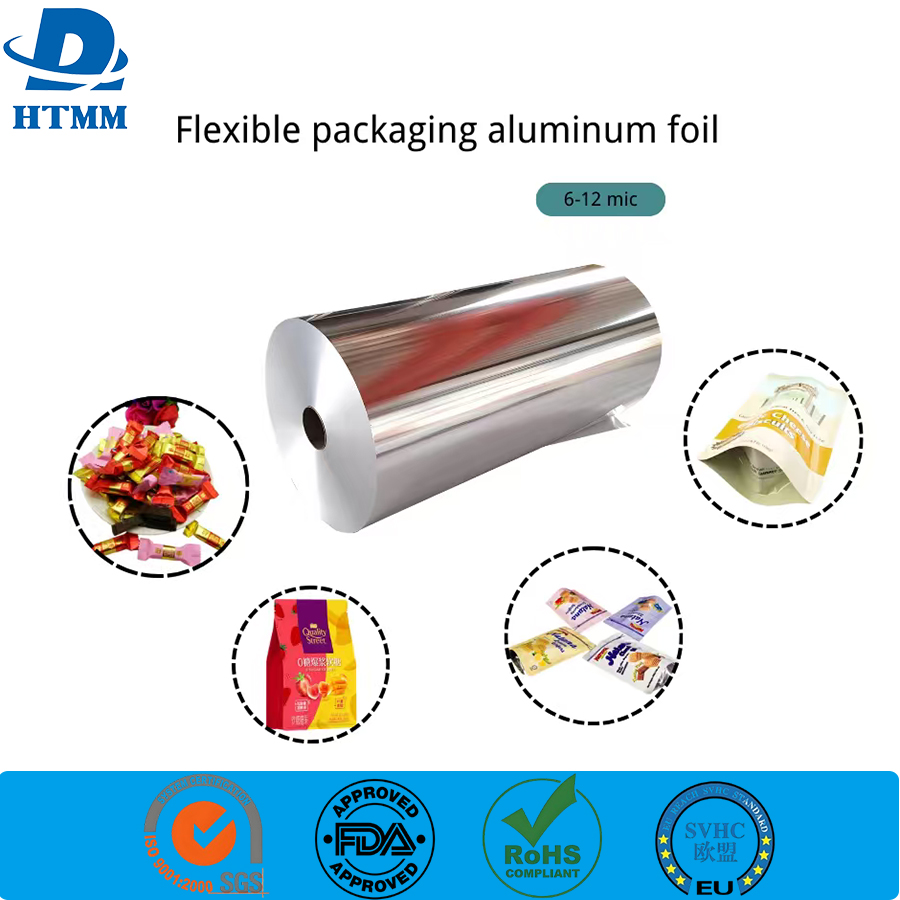
When browsing the supermarket aisle, most people grab a bag of chips, a chocolate bar or a carton of milk without giving the packaging a second thought. But if you ask why these foods are wrapped in that distinctive, shiny aluminum foil—instead of plastic or plain paper—you’ll hit on an important point. It all comes down to one thing that may seem unremarkable: the giant rolls of aluminum foil that rotate incessantly in the food packaging industry. On the factory floor, these look like giant silver cylinders—like oversized cores for plastic wrap—but once they hit the production line, the technical demands are incredibly complex.
A fresh roll of aluminum foil is incredibly heavy; A single roll weighs at least a few hundred kilograms—sometimes tons—that must be carefully handled with a forklift. Touch it, and it feels cool and smooth; Look closer, and the surface is so pristine it acts like a mirror, glowing with an almost dazzling brilliance Still, don’t let that sleek look fool you; It is not ready for immediate use in machinery before you become a hand-held chip bag. Veteran industry technicians explained that if a roll arrived with the slightest burr on the edges or scratches on the surface as fine as a human hair, the whole roll would have to be sent back for reprocessing. High-speed packaging machines operate at a rate of several hundred meters per minute; One defect can force the entire production line to shut down, resulting in losses far exceeding the cost of the foil.
So, why the insistence on using aluminum foil? Plastic bags are much cheaper—why not use them instead? There’s a very practical reason for this: aluminum foil has an inherently uncompromising nature. It acts as an impenetrable barrier against oxygen, moisture and light and is impervious to oil. Ever wonder why potato chips aren’t stale or soggy days after opening the bag? It’s not just filling up with nitrogen; It’s that layer of aluminum foil that completely seals outside moisture, leaving absolutely no gaps for it to penetrate. That silver lining inside the milk carton is also aluminum foil; Without it, exposure to light will break down milk’s vitamins and give it an off-flavour. Simply put, food manufacturers don’t spend money on aluminum foil because bosses are feeling generous; They use it because it’s really high quality—other products just don’t measure up.
That said, these giant rolls of aluminum foil can be temperamental. Anyone in the industry knows that "wrinkles" and "snapping" are the biggest headaches. What do we mean by wrinkles? This happens when the roll is moving along the production line and suddenly a crease goes up on the surface—much like a unironed shirt. Once that crease is visible, any pattern subsequently printed becomes distorted and the seal fails to close tightly, forcing the cancellation of the entire batch. snapping and bad; When the object breaks with a loud *snap* during high-speed action, the sound echoes through the workshop. Aside from the flying fragments, removing the foil that remains tangled inside the apparatus can take up the better part of the day. That’s why the most common task for a quality inspector in a packaging plant is to inspect the rolls inch by inch using a high-intensity flashlight, checking for pinholes. You heard that right—pinholes. These are tiny pores almost invisible to the naked eye; Still, if even a small amount of air leaks, the mooncakes or chocolates inside will inevitably be spoiled by moisture in the summer. If a customer opens the package and bites into a wet treat, that brand is gone.

You might think that’s the end of the story, but the real headache isn’t the technical hurdles; It’s the tightening of environmental regulations over the last couple of years, which have imposed stricter controls on both the production and recycling of large aluminum foil rolls. In the past, scrap foil left over from production could only be sold as waste, but that is no longer an option; Factories must now install specialized equipment to compress and bale the scrap before it is sent back to the smelter for remelting. Moreover, food-grade aluminum foil requires incredibly high purity—even the slightest impurities in recycled aluminum can cause pinholes to appear in a finished roll. Consequently, many packaging plants are experimenting with thinning the foil; While a layer used to be six microns thick, they are now pushing hard to bring it down to under five microns. Thinner foil means more packaging bags per roll—saving material and cutting costs—but it also requires a high degree of machine precision, creating a kind of vicious cycle. Veteran operators grumble about how difficult the job has become, yet they keep their eyes glued to the control panel, not daring to blink.
That huge roll of silver that ends up churning in the workshop—seemingly big and mundane—is actually incredibly moody and utterly critical. Whether the snack in your hand stays crunchy, whether that carton of milk stays fresh for up to three months, or whether the tea holds aroma after opening—it all depends on how that foil performed during those few minutes on the production line. The next time you rip open an olive, take a moment to look at that thin silver lining. Cut from a huge roll weighing hundreds of kilograms, it was processed, stretched, coated, and laminated at high temperatures to become the small, easily torn sheet in your hand—a journey that required countless inspections and careful eyes. That’s the nature of the food industry: the most unassuming ingredients often reveal the most complexity, reminding us that achieving perfection in even the smallest of details is the mark of true mastery.