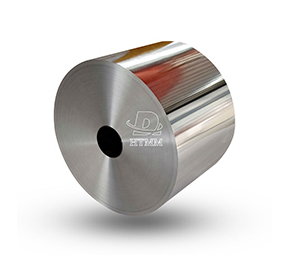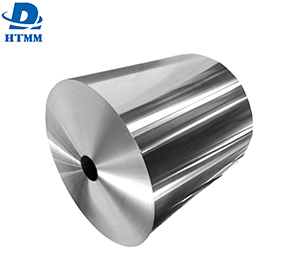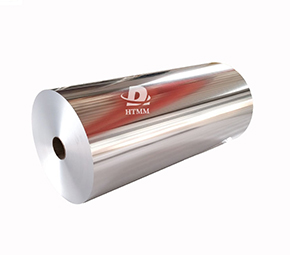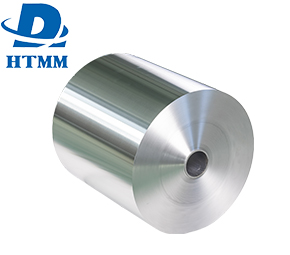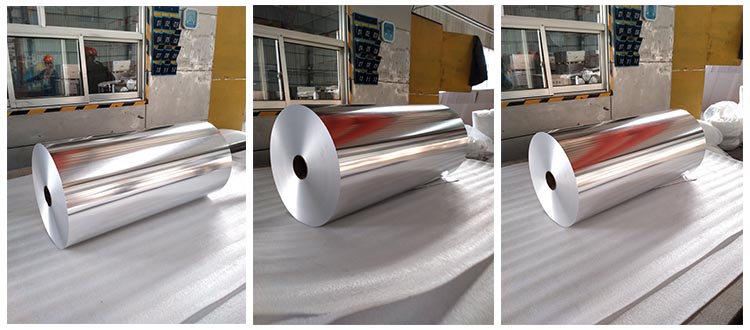
Large Aluminum Foil Rolls have become an essential key material for the packaging sector, valued for their utility, durability and safety.
Large aluminum foil rolls intended for food packaging are quite different from typical industrial foil; The most critical requirement is that they must be safe, non-toxic, and suitable for food storage. Mainstream food grade aluminum foil rolls on the market are usually made from 8011 or 8079 alloys. These undergo special softening and annealing treatments, resulting in a soft texture and exceptional flexibility. The 8011 blend is typically used for standard snacks, yogurt lids, and disposable food containers; It offers a great balance of cost-effectiveness and stable performance, fully meeting the needs of everyday packaging. In contrast, blend 8079 is generally selected for meat products, vacuum-packed ready-to-eat foods and dry goods intended for long-term storage. This type of foil is dense and virtually free of pinholes, offering superior barrier properties that effectively seal air and moisture, thus preventing food from getting wet, oxidizing or spoiling. High-quality food-grade aluminum foil rolls have a clean surface free of oil stains or stains and are uniform in thickness, ensuring the safety of food packaging from the source.
For packaging processing plants, the processing characteristics of large aluminum foil rolls directly affect the production efficiency and finished product production rate. These plants operate high-speed assembly lines that require high standards in terms of foil roll flatness, winding tension and stiffness. Low-quality rolls—characterized by uneven winding tension or irregular surfaces—are prone to tracking errors, wrinkling, and cracking during high-speed machine operation; This not only delays the production schedule, but also results in significant waste of raw materials. In contrast, high quality food-grade aluminum foil rolls provide optimum flexibility and cracking resistance, ensuring exceptional stability during the slitting, lamination and printing processes. Whether laminated with plastic film or paper, they bond tightly, resulting in a smooth, aesthetically pleasing finish. Furthermore, this type of aluminum foil can withstand both high and low temperatures; It is suitable for quick freezing in cold storage as well as high temperature cooking and baking, making it compatible with the production and storage requirements of the vast majority of food products.
Large aluminum foil rolls intended for food packaging are quite different from typical industrial foil; The most critical requirement is that they must be safe, non-toxic, and suitable for food storage. Mainstream food grade aluminum foil rolls on the market are usually made from 8011 or 8079 alloys. These undergo special softening and annealing treatments, resulting in a soft texture and exceptional flexibility. The 8011 blend is typically used for standard snacks, yogurt lids, and disposable food containers; It offers a great balance of cost-effectiveness and stable performance, fully meeting the needs of everyday packaging. In contrast, blend 8079 is generally selected for meat products, vacuum-packed ready-to-eat foods and dry goods intended for long-term storage. This type of foil is dense and virtually free of pinholes, offering superior barrier properties that effectively seal air and moisture, thus preventing food from getting wet, oxidizing or spoiling. High-quality food-grade aluminum foil rolls have a clean surface free of oil stains or stains and are uniform in thickness, ensuring the safety of food packaging from the source.
For packaging processing plants, the processing characteristics of large aluminum foil rolls directly affect the production efficiency and finished product production rate. These plants operate high-speed assembly lines that require high standards in terms of foil roll flatness, winding tension and stiffness. Low-quality rolls—characterized by uneven winding tension or irregular surfaces—are prone to tracking errors, wrinkling, and cracking during high-speed machine operation; This not only delays the production schedule, but also results in significant waste of raw materials. In contrast, high quality food-grade aluminum foil rolls provide optimum flexibility and cracking resistance, ensuring exceptional stability during the slitting, lamination and printing processes. Whether laminated with plastic film or paper, they bond tightly, resulting in a smooth, aesthetically pleasing finish. Furthermore, this type of aluminum foil can withstand both high and low temperatures; It is suitable for quick freezing in cold storage as well as high temperature cooking and baking, making it compatible with the production and storage requirements of the vast majority of food products.

Food safety is the basic bottom line of the packaging industry, and the production of food grade aluminum foil rolls is subject to strict regulation. From the stage of raw material selection, stringent measures are taken to limit impurities and harmful substances. The rolling oils used during production are food grade, low residue products and the final high temperature annealing process thoroughly removes surface oils and removes any potential contaminants. All finished products must comply with national safety standards for food contact products, and some export products must also meet various international certifications. While many people are concerned about harmful substances leaching from aluminum foil, proven, high-quality rolls are completely safe under normal use conditions. For highly corrosive foods—such as those that are acidic, spicy, or high in salt—manufacturers apply protective coatings to prevent direct contact between foil and food, completely eliminating safety risks and ensuring consumer safety in all respects.
As environmental protection policies proceed, the industry advantages of large size aluminum foil rolls are becoming increasingly prominent. Unlike plastic packaging—which is difficult to degrade and has a very low recycling rate—aluminum foil can be recycled and reused indefinitely. Furthermore, the energy consumption associated with recycling is much lower than virgin aluminum production, making it a greener, more eco-friendly alternative that matches current trends towards reducing the use of plastics. The industry is also continually optimizing manufacturing processes to produce thinner yet high-strength aluminum foil rolls—without compromising storage or protective capabilities—helping plants control raw materials and costs. Selecting large format aluminum foil rolls requires looking beyond price for food packaging companies; Factors such as material quality, flatness, safety certification, and supply stability are equally critical. Choosing high-quality base materials not only increases production efficiency and minimizes waste, but also ensures improved food preservation and safety, which helps enterprises to ensure a firm position in the market.
Aluminum foil is a ubiquitous ingredient in the packaging of snacks, ready-to-eat meals, frozen meals, and pre-prepared foods that we buy every day. Consumers usually only see the finished packaging but few know that the raw materials for these products consist of giant industrial rolls of aluminum foil. These are not the little rolls you use at home; Rather, they are wide, large-diameter industrial master rolls that serve as basic raw materials for packaging plants. Once acquired by these factories, the foil goes through processes such as slitting, printing, lamination, and heat sealing to make a variety of packaging bags, sealing films, and storage wraps. As the food industry places increasing emphasis on freshness and safety.