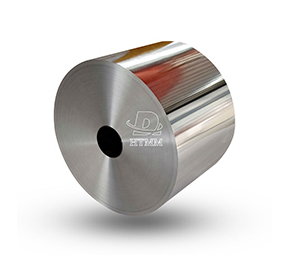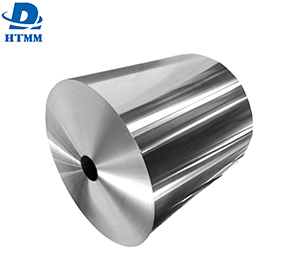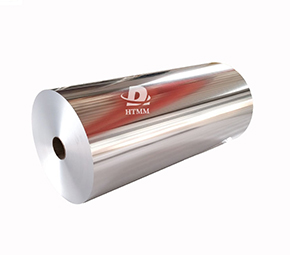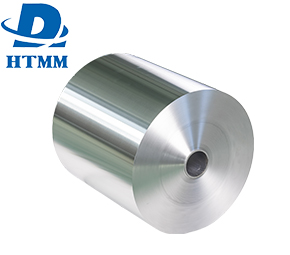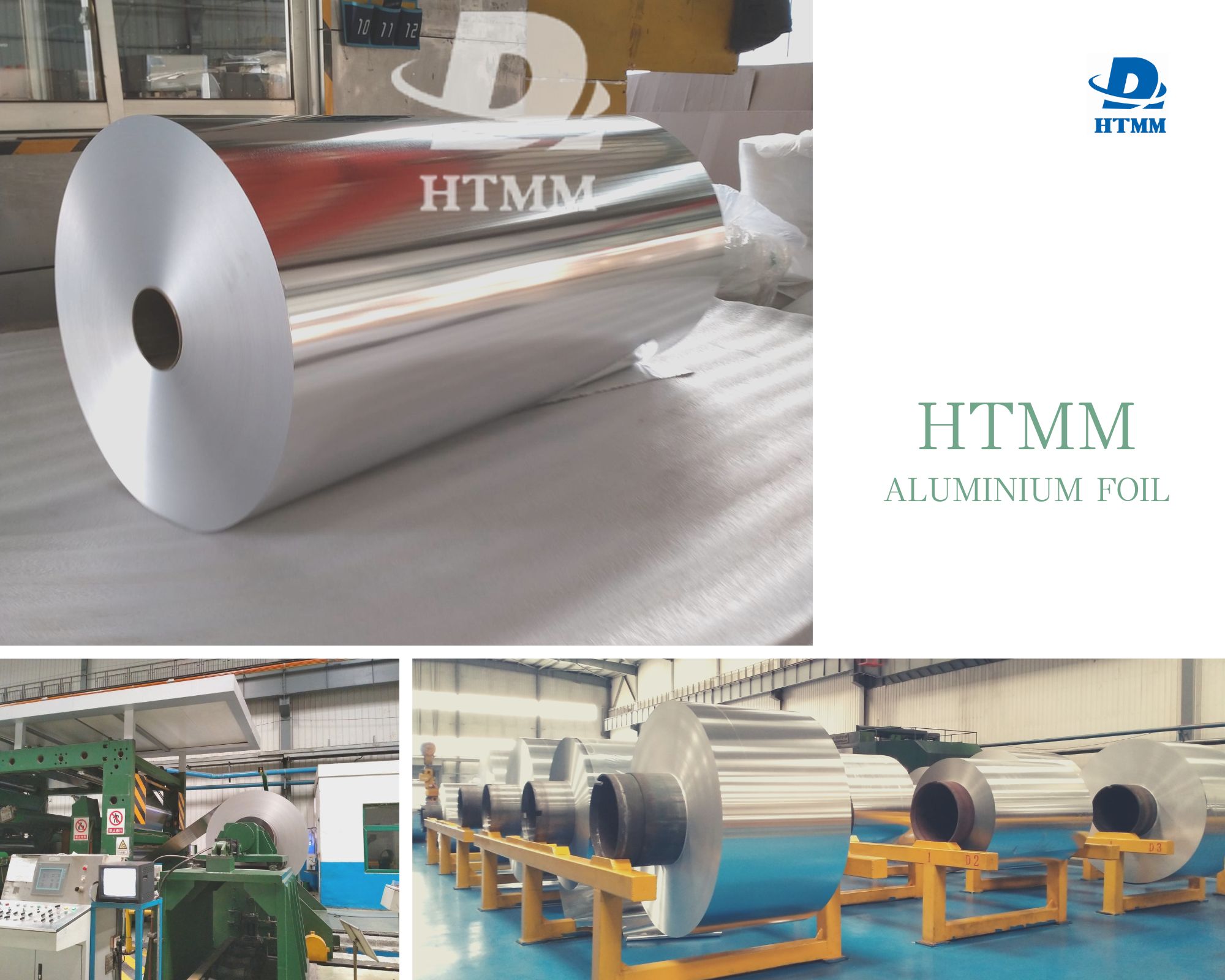
Aluminum foil, snack packaging pouches and food containers found in supermarkets often originate from the same raw material: large master rolls of food-grade aluminum foil. These are not finished products that customers buy directly, but huge master coils produced by aluminum plants; Packaging manufacturers purchase it to be sliced, laminated and processed into a variety of food packaging. As the global food market expands—driven by continued demand growth in sectors such as ready-to-eat meals, snack foods, dairy, and baked goods—the food-grade aluminum foil master roll business is heating up. Globally, suppliers have distinct strengths, which create differentiated competition environments. To effectively manage packaging purchasing, one must first understand the distribution, characteristics, and application scenarios of global suppliers.
The aluminum foil processing market is first developed in Europe and North America, and several leading suppliers have emerged who have long been established and cater to the high-end food packaging market. Leading local manufacturers in the U.S. and Europe such as Novelis, Hydro and various European aluminum foil companies benefit from early market penetration and mature production lines. They produce very consistent products, including very thin foils with very few pinholes. They mainly sell to large multinational food corporations. Their strengths are the extensive supply chain of recycled aluminium and full environmental certification, with products fully compliant with EU and US FDA food-contact standards. But they also have obvious drawbacks – limited production capacity, higher price points and generally longer lead times, making them best suited for long-term partnerships with premium dairy and food brands.In addition, Turkish and Greek aluminum foil factories act as regional suppliers to the Middle East and North Africa, offering a price-performance ratio between major Western manufacturers and Asian producers and thus serving as a viable alternative sourcing channel for many traders.
Choose a supplier for large rolls of food grade aluminum foil that isn’t just a matter of price! The biggest prerequisite is to meet food safety standards. Raw materials must be strictly controlled to prevent oil contamination, pinholes and impurities. Food grade aluminum foil and industrial grade aluminum foil are not interchangeable. The trusted supplier has its own independent testing laboratories and each batch of products are tested to ensure barrier performance and food migration levels.
Asia has become the largest manufacturing base for food-grade aluminum foil master rolls in the world. Chinese suppliers have obvious advantages in production capacity, specifications customization and delivery time. Major domestic industries - Mass produce mainstream alloys such as 8011, 8079 with thicknesses between 6 to 80 microns. Their product portfolio comprises composite substrates for flexible packaging and raw materials for aluminum foil containers and household foil rolls. Local factories are more flexible when it comes to width, surface treatment and cleanliness standards compared with overseas manufacturers; It also has a preferable minimum order quantity (MOQ) and reliable logistics and delivery schedules. Many factories have extensive export certifications including FDA, LFGB and BRC and export in large quantities to Southeast Asia, US and Europe.Japanese and South Korean aluminum foil manufacturers are just fine, but they manufacture ultra-thin aluminum foil (used for high-end coffee and baby food packaging), and have a pretty high price tag to go with it. Bulk orders are a tough sell.
Cost should not be the only consideration when choosing a supplier for food grade aluminum foil master rolls. The first requirement is the supplier must meet the standards of food safety. Food-grade and industrial-grade foils are not interchangeable and raw materials must be tightly controlled to minimize oil residue, pinholes and impurities. Reliable suppliers have in-house testing labs to test the barrier performance and migration for each batch. The regulatory requirements are different in different regions, meaning exports to Europe must comply with EU food contact product regulations, products for the US market must meet FDA standards, and domestic sales must meet China’s national standard GB 4806.9. Small uncertified processing plants are often a problem for buyers . Problems such as inadequate surface cleanliness or too many pinholes can cause leakages in the packaging and early spoilage of food . If you want to have long-term cooperation, it is best to choose an aluminum foil rolling mill with experience in mass production, complete test reports and willing to accept third-party quality inspections.