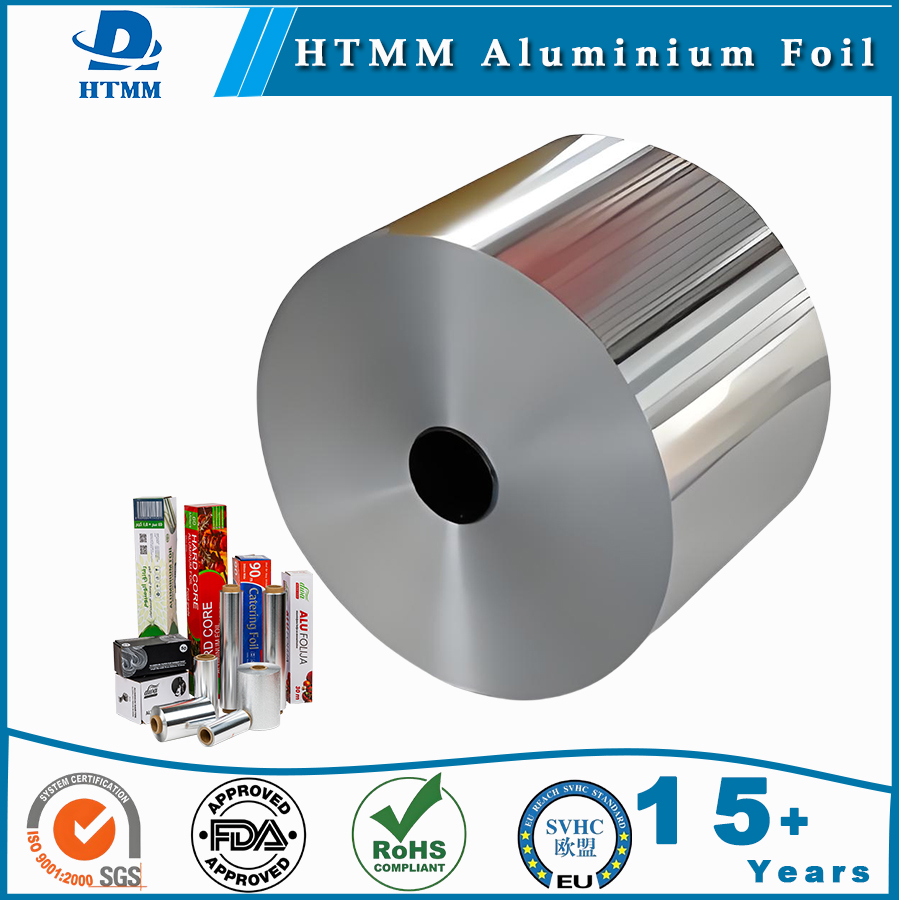
Aluminum Foil Roll Product Description: 8011-O What is Aluminum Foil Jumbo Roll ?
First, let's break down this somewhat technical name: "8011-O." Like a personal ID card, it identifies the specific "lineage" and "temper" of this particular aluminum foil. "8011" denotes its blend grade—a specific formulation developed primarily for food packaging applications. The primary constituent of 8011 aluminum alloy is aluminum, while iron, silicon, and similar elements serve as trace impurities or alloying elements.the proportions of the alloy produce a foil that is at once flexible and resilient, not easily cracked. The suffix "o" refers to its "mood" as being in a "soft" state; This indicates that the material has gone through a thorough annealing process, resulting in a foil that feels exceptionally soft to the touch, easily conforms to shape and holds its form no matter how it is folded, without being sprung back.
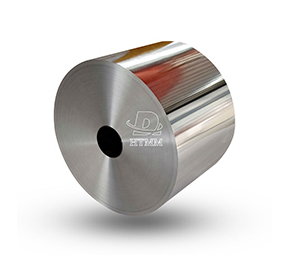
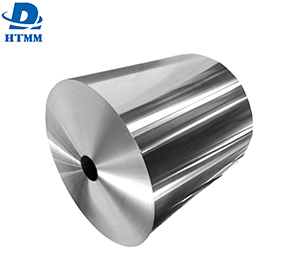
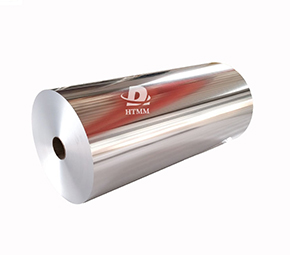
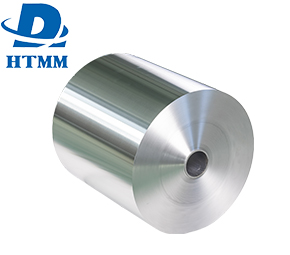
These jumbo rolls—intended for use in rewinding facilities—are quite different from the finished products we typically see on supermarket shelves. Simply put, they are huge in size. If you set foot in a manufacturing facility, you’ll see these huge rolls towering like giant spools of paper. Their thickness is generally very fine, usually between 0.009 mm and 0.02 mm (usually referred to as 9 to 20 microns). Because they are designed to be fed into high-speed rewinding machines for slitting and coiling, they are subject to exceptionally stringent standards for dimensional precision. For example, the width tolerance can be adjusted to within edges of ±1 mm, while the thickness tolerance can be held to an astonishing ±0.001 mm—a measure essential to ensure that the foil does not crumble or wrinkle during high-speed processing. Moreover, the surfaces of these jumbo rolls are typically impeccably cleaned, exhibiting a uniform silvery-white sheen free of oil stains or pinholes—a critical requirement given its direct impact on the safety of subsequent food contact applications.
| Alloy/temper | 8011 8006 / O |
| Thickness | 9 Micron- 20 Micron (0.009mm-0.02mm) |
| Width | 280mm 290mm 300mm 440mm 450mm 600mm |
Application of aluminum foil roll: How does it become an everyday product ?
These large rolls of 8011-O aluminum foil are not sold directly to the general consumer; instead, their downstream clients are various rewinding and processing plants. As these large rolls are acquired, these factories use high-speed slitting and rewinding machines to process them into smaller rolls of various specifications according to market demand.
The common applications we encounter in everyday life mainly fall into the following major categories:
The first is home kitchen packaging—this forms the largest area of use. The processing plant cuts the foil into small rolls—usually 30 centimeters wide and a few to several tens of meters long—and packages them in small cardboard boxes. These are the products we see on supermarket shelves: aluminum foil for baking and grilling.
Packaging Methods: Meticulous care to prevent damage
Aluminum foil is a very delicate material—especially thin foils that are only a few microns thick—and even the slightest oversight can cause physical damage or oxidation from moisture. Consequently, packaging for these large master rolls—intended for subsequent rewinding—is painstakingly accomplished, prioritizing moisture resistance, impact protection and oxidation resistance.
First, the desiccant packets are inserted into the core (spool) and into both ends of each aluminum foil roll. The roll is then wrapped in multiple layers, working outward from the center, similar to the traditional method of wrapping. The inner layer is usually composed of polyethylene (PE) films or pearl-like films, which are tightly applied to the foil surface to prevent moisture penetration. The second step may involve wrapping the roll in bubble wrap or EPE foam sheeting to provide cushioning and shock absorption, Thereby preventing damage to the ends of the coiled material caused by impact during transportation. The outside packaging of a sturdy iron frame or smoke-free wooden case. For larger rolls weighing tens or even hundreds of kilograms, special end plugs are used to suspend and secure the roll inside the crate; This ensures that the aluminum foil remains completely immobile and undisturbed, whether withstanding the rigors of sea transportation or the bumps of an overland journey. Finally, the exterior of the packaging crate is clearly labeled, providing essential information such as mixture temper, dimensions, batch number, and weight, facilitating downstream warehouse management and product traceability.
Storage and Transportation: Provide a safe "home" for aluminum foil
Although these large coils of 8011-O aluminum foil are wound incredibly tightly and rigidly during production, they are actually quite "delicate"; Whether sitting in a warehouse or in transit, even the slightest oversight can cause problems.
First, they are sensitive to moisture. Aluminum has a certain characteristic: While its surface naturally forms a protective oxide film, excessive environmental moisture—especially when condensed by temperature fluctuations inside a warehouse—can be harmful. If moisture sticks to the foil surface for an extended period of time, unsightly white spots—commonly referred to as "water stains" or "white rust"—will develop. Although these white spots may not compromise the functional utility of the foil, for a rewinding plant aiming to make beautiful home products, any visual imperfection makes the product defective. Consequently, the warehouses where these large coils are stored must be indoor facilities—ideally with temperature and humidity controls—and the floors must be covered with moisture-resistant mats; Aluminum coils should never be placed directly on a bare concrete floor.
Second, they are vulnerable to physical impact. The end faces of aluminum foil coils are their most brittle points; If they are accidentally bumped during handling—even if the resulting dent is so tiny as to be nearly invisible to the naked eye—it can turn into a major problem, with web breakage or misalignment. Therefore, when workers use forklifts or cranes for handling they must proceed with extreme caution and gentleness; Forklift tines are usually equipped with rubber sleeves to prevent metal-to-metal contact. Furthermore, special wooden wedges or support brackets must be used to secure the coils during stacking and prevent them from rolling off the pallet. Essentially, from the moment they leave the manufacturing plant until they reach the unpacking area of a downstream facility, their entire journey is a meticulously cautious "escort mission."