30 Micron Aluminium Foil Raw Materials Production
The first step is to choose raw materials and melting. Initially, industrial pure aluminum ingort or 8011 aluminum aloy inngt is selected with more than 99.8% purity. The advantages of such raw materials are good flexibility and standards, and are not easily broken during the next procession. The trace of silicon and iron components is then added, and a large gas stove is sent to about 700°C to melt. After the melt, they double diagnostic and refining. First use a rotating diaging to remove hydrogen from the aluminum liquid, and then check the hard impurity through a ceramic filter plate. This initiative is the key to aluminum foil and the key to avoiding Budbud. This is because, once the aluminum foal used for taps is flawed, it will directly affect the sealing of the next glue coating. The second step is casting and hot rolling. The pure aluminum liquid is continuously poured and flows into the rolling machine and is poured directly into a slab about 6-8 mm thick. The slab is then transferred to a hot rolling production line and rolls through multiple rolls at 450 degrees Celsius and forms a hot coil at 0.3 mm thick. At this stage, the rolling pressure must be strictly controlled to ensure the same chance in the whole slai, by laying the foundation for the next cold rolling. The third step is to determine a cold rolling throat, which is the main link that aluminum foal determines whether it can reach a specified stench of 30Mic. Initially, the 0.3 mm hot coil was sent to the existing cold rolling mill. After 3-4 rollings, the chances are reduced to about 0.05 mm half-concluded. Then a high perfect cold rolling mill is used for fine rolling, and finally rolls to 0.03mm or 30mic. The goal is obedience; Industrial grade lubricants should be sprayed in the whole rolling process to ensure that aluminum foals are attached to and cannot scratch, and ensure smooth of aluminum foil's foal for further glue. The fourth step is an ailing and surface treatment. Cold, rod aluminum foal will cause internal stress for metal distortion and becomes difficult and fragile. It must be sent to an ailing stove at this time and 380 degrees Celsius should be kept at temperatures of 6 hours, so that the metal structure can be rebuilt and rehabilitate medium tightness and energy, so that the aluminum foal can be easily dragged and formed; After auctioning aluminum foil, the surface inactivation treatment requires surface inactivity to increase the immune system and glue to glue. 30Mic aluminum foal adapting tape production is a key step. The last step is cut and packaging. Aluminum foil is first tested with laser quake stools and surface detectors to prevent fault ±1Mic and there are no scratches or impurities on the surface. Then, according to the needs of aluminum foal customers, the rolls of different widths are cut, wrapped in anti-scress PE films and humbled humid-proof-proof wooden boxes attached to the specific inspection label and tape production plant. The entire process passes through more than 15 processes, and each process is examined by specific workers to meet the strict requirements of tap production.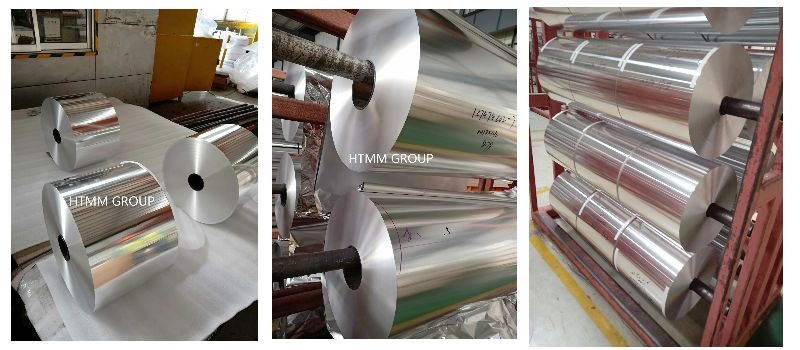
30mic aluminum foil product certificate: A “quality stapping stone” to enter the market.
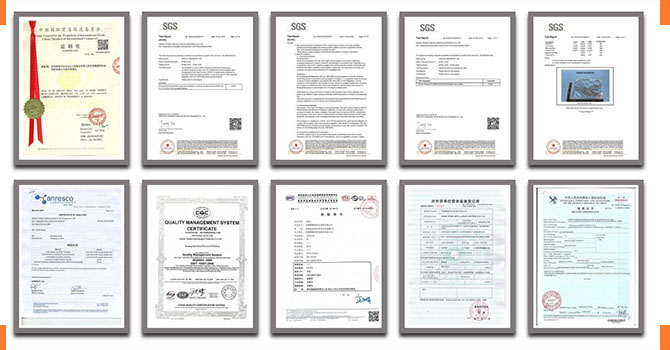
The 30Mic aluminum foil products that can be used in tape production should have multiple authoritative certificates. These certificates are not only proof of the quality of goods, but also a "stapping stone" to connect with customers of various industries. The first is Basic Performance Certificate. For customers of the electronics industry, materials are required to pass RohS certificate and obtain certificate. RoHS authentication will strictly limit the amount of six harmful substances like lead and para to prevent the function of electronic components by using aluminum foil in electronic shielding tape. The ROCH Authority will check the high worrying materials to comply with the environmental protection needs of the European Union and to enable the smooth entry of the European market. Aluminum foals are required to pass the oxidation and certificate for the HVAC and anti-corogine sector. The most common thing is the certificate of neutral salt tests, where aluminum foil is a salty spray environment for more than 48 hours without a clear chill, which can cause the tap for a long time to work in a moist and sensitive environment. The second is the certificate of quality management system. Regular manufacturers will pass the authentication of the quality of quality management system, which proves that the whole process is strictly controlled from the purchase of raw materials to delivery, and the functionality of each group of aluminum foal can remain stable. In addition, authentication of ISO14001 Environmental Management System and ISO45001 vocational health and security management system will be arranged. The first confirmed that the production process does not cause pollution to the environment, and the second ensures the safety of the workers. These are difficult indicates for large tape companies when purchasing them. In addition, raw materials for special areas, such as aluminum foal raw material for space tap, they have to pass the ASTM authentication, and its hard energy, long and other indicators must meet the requirements of air grades; Some producers will also issue SGS third test reports, which give details of aluminum foil's unilateral, surface tight, temperature scope and other main information so that tape makers can look at it with their eyes and should not be submitted for inspection.
FAQ
Question 1: Compared with 25mic and 35mic aluminum foil, why is 30mic aluminum foil more suitable for tape base?
In fact, it is very simple. 25mic aluminum foil is thin and is easy to deform and break when the tape is coated with glue and die-cut, and will also reduce the overall strength of the tape. Although 35mic aluminum foil is strong enough, it will increase the weight and cost of the tape, and it is not flexible enough and is prone to warping when fitting irregular curved surfaces. 30mic is just stuck at the balance point of "strength" and "flexibility". It can not only support the coating of glue, but also easily fit all kinds of surfaces, making it the most cost-effective choice.
Question 2: What is the temperature resistance range of 30mic aluminum foil? Can it be used in high temperature scenarios?
Conventional 30mic aluminum foil has a temperature resistance range of - 40°C to 150°C, which can fully meet the regular use needs of HVAC ducts and electronic equipment; if it is a customized version that has undergone special high-temperature passivation treatment, the temperature resistance can reach more than 200°C, and can be used in the production of tapes in high-temperature environments such as automobile engine compartments.
Question 3: How long is the shelf life What should you pay attention to when storing it?
Unopened 30mic aluminum foil has a shelf life of up to 12 months in a cool and dry environment; when storing, avoid direct sunlight and humid environments, and cannot be placed together with corrosive substances such as acids and alkalis. At the same time, pay attention to the stacking height, generally no more than 10 layers, to prevent the bottom aluminum foil from being compressed and deformed.
Question 4: How long is the delivery lead time?
Regular width stock can be shipped on the same day. If you need to customize aluminum foil with special width and special surface coating, the delivery cycle for small batch orders (within 5 tons) is 7-10 days, and the lead time for large batch orders (more than 10 tons) is 15-20 days. The details can be negotiated with the factory.