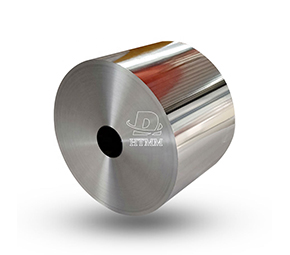
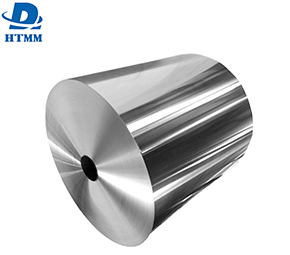
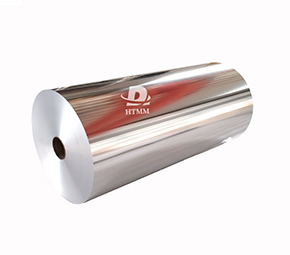
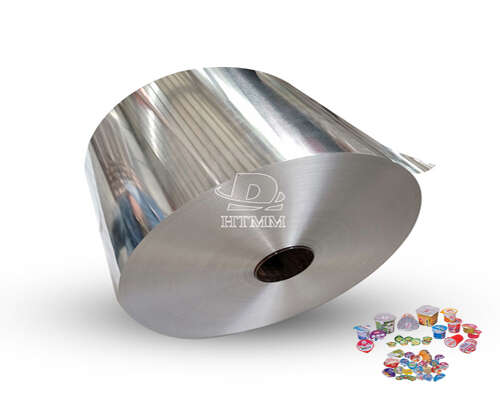
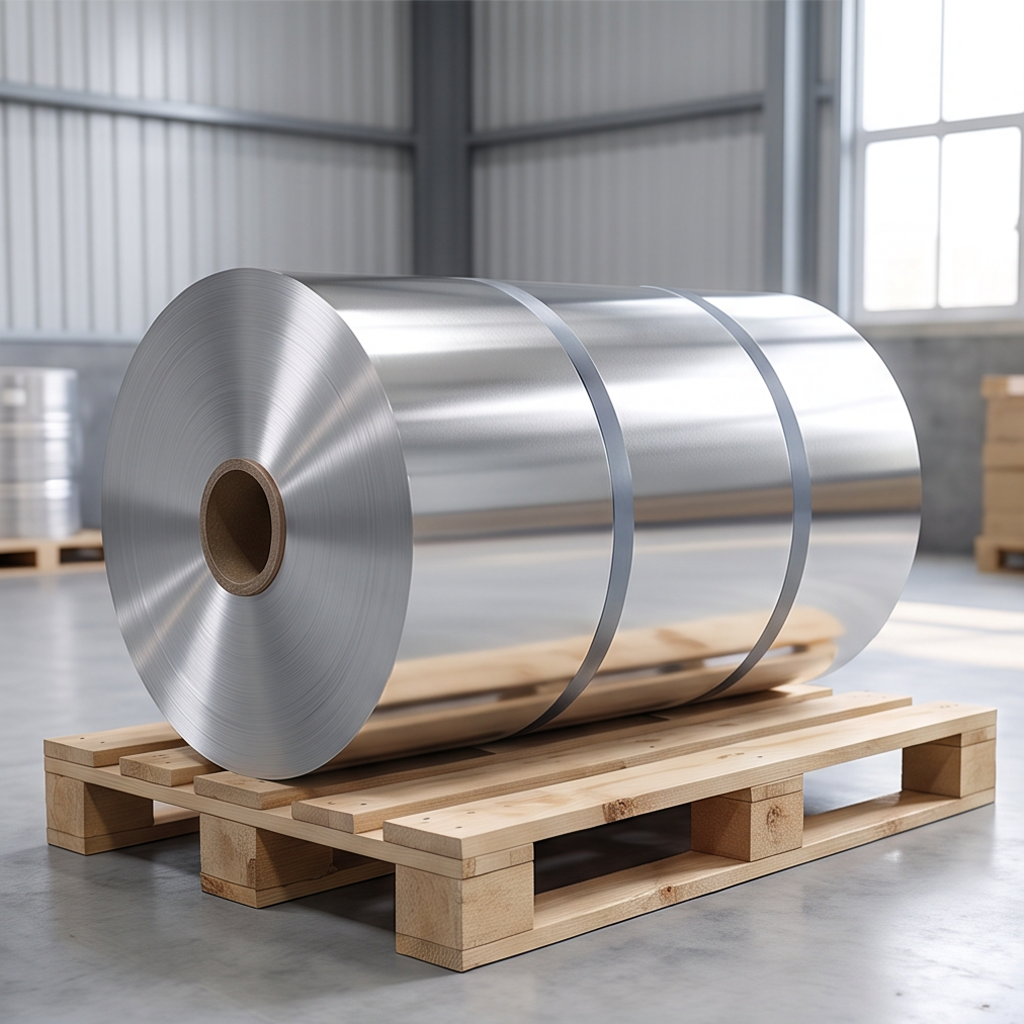
 In food packaging, daily chemical sealing and industrial composite processing industry, aluminum foil 8011 is the most versatile and stable alloyed material of aluminum foil. 8011 Aluminum Foil takes into account the good mechanical strength and performance of the unit and can adapt to most light industrial and civil scenes. Compared to high-purity aluminum foil, it effectively dissolves the short board, which is easy to tear and has low strength, and the total cost of efficiency is excellent. Currently, most deep processing companies in the 8011 industry use aluminum foil coils as the main raw material for cutting, laminating, printing and composite production. 8011 Aluminum foil rolls with flat plates and a small number of needles can significantly improve the qualification level and stability of finished product production. Reliable suppliers of 8011 aluminum foil for large rolls are the key to stable supplies and quality control of companies. Professional suppliers of 8011 large aluminum foil rolls can supply custom-made products in width, thickness and weight of the roller to meet the requirements of various production lines. In the field of food packaging, food quality aluminum foil 8011 fully complies with safety standards for food contact. It is non-toxic and tasteless, resistant to high temperatures and has good barrier resistance. Special 8011 aluminum foil for food packaging is the main substrate of snacks, cooked food and aluminum foil containers.
What Is 8011 Aluminium Foil?
Aluminum foil 8011 refers to the alloyed aluminum foil series 8, which is also the most mature category of aluminum foil for universal purposes on the market. Unlike pure aluminum foil, 8011 aluminum foil optimizes the performance of the material by modulating trace alloy elements. It is not part of the high-purity aluminum system and does not require heat treatment and reinforcement to achieve good machining performance. The biggest feature of this 8011 aluminum foil is that it balances purity, strength and malleability. It not only maintains excellent light blocking, moisture resistance and stainless steel of aluminum, but also improves tensile and tensile strength. It is very suitable for folding, stamping, multilayer composite material and other deep processing processes. This is the main material in the field of packaging and industrial seals.
In terms of chemical composition, 8011 aluminum foil is mainly based on metallic aluminum with an aluminum content of about 98.5%, and the main elements are iron and silicon. Among them, the iron content is controlled from 0.8% to 1.3%, silicon content from 0.5% to 1.0%, and impurities such as copper, zinc and manganese are strictly limited by national standards. Thanks to the scientific and controlled distribution ratio, the 8011 aluminum foil improves soft and easily breakable defects of pure aluminum materials, while maintaining chemical stability, so that the material is better suited for industrial continuous production.
| Element | Composition Range (%) |
|---|---|
| Silicon (Si) | 0.50 – 0.90 |
| Iron (Fe) | 0.60 – 1.00 |
| Copper (Cu) | ≤ 0.10 |
| Manganese (Mn) | ≤ 0.02 |
| Magnesium (Mg) | ≤ 0.05 |
| Zinc (Zn) | ≤ 0.10 |
| Titanium (Ti) | ≤ 0.08 |
| Aluminium (Al) | Remainder, min. 97.3 |
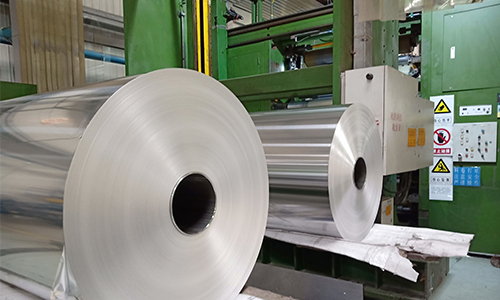 In terms of performance, 8011 alu foil has excellent complex physical and chemical properties. It has excellent moisture-resistant, oxygen-blocking, light-blocking and oil-insulating properties, which can effectively isulate water vapor, air and ultraviolet rays, delaying oxidation and deterioration of the contents. In terms of mechanical properties, the material has good rigidity, sufficient viscosity and does not tear easily. It is suitable for various machining processes, such as coating, installation, bending and molding. At the same time, the material is safe and stable, resistant to high temperatures, corrosion, does not contain harmful substances and can be used in scenarios with high standards, such as food contact and daily chemical packaging for a long time.
8011 alu foil is based on comprehensive performance advantages and offers a wide range of application scenarios. Food packaging is its main application, which includes soft packaging composite film, disposable aluminum foil lunch box, sealing foil, aluminum baking foil and other categories; the daily chemical industry is mainly used for toothpaste hoses, cosmetic composite packaging; in the industrial sector, it can be used for cable coatings, moisture-resistant equipment seals, stainless steel packaging and thermal insulation materials, civil and industrial universal aluminum.
The Dickens aluminum foil 8011 specification covers a wide range, and the industrial normal thickness range is from 0.008 mm to 0.2 mm. Among them, ultra-thin specifications from 0.01 mm to 0.05 mm are mainly used for flexible food packaging, which is light, thin, soft and high-quality; aluminum foil with a thickness of 0.1 mm to 0.2 mm is more durable and wear-resistant, and is mainly used in industrial coatings, moisture-resistant seals and molded aluminum products, which can meet the strength and barrier requirements of various working conditions.
The original shape of 8011 aluminium foil circulating on the market is industrial volumetric coils, and the standard width of the main roll is concentrated from 1000 mm to 1600 mm. Depending on the production requirements, top-down manufacturers can be freely divided into various narrow specifications suitable for small processing and mass production on large assembly lines. The adaptability of the width is extremely strong and can flexibly meet the production standards of various industries.
Among the common categories of aluminum foil, aluminium foil 8011 differs significantly from aluminum foil 1235, 8079 and 3003. Compared with high-purity aluminium foil 1235, aluminum foil 8011 has higher mechanical strength and higher resistance to processing, which is suitable for general packaging, while 1235 has higher purity and is mainly used in high-quality pharmaceutical packaging; compared with high-block aluminum foil 8079, 8011 is more economical and versatile; compared with 3003 aluminum foil with excellent corrosion resistance, 8 011 has better depth processing characteristics, with an emphasis on flexible packaging scenarios, while 3003 is more suitable for industrial corrosion protection and heat transfer.
| Alloy | Compared to 8011 |
|---|---|
| 1235 | Higher purity, more ductile, lower strength; better suited to applications prioritizing softness over strength, and where high conductivity matters |
| 8079 | Higher iron content, better pinhole resistance at ultra-thin gauge (<0.009mm); 8011 is more general-purpose at standard gauges |
| 3003 | Added manganese for higher strength; better suited to rigid containers needing more structural rigidity than 8011 can economically provide at the same thickness |
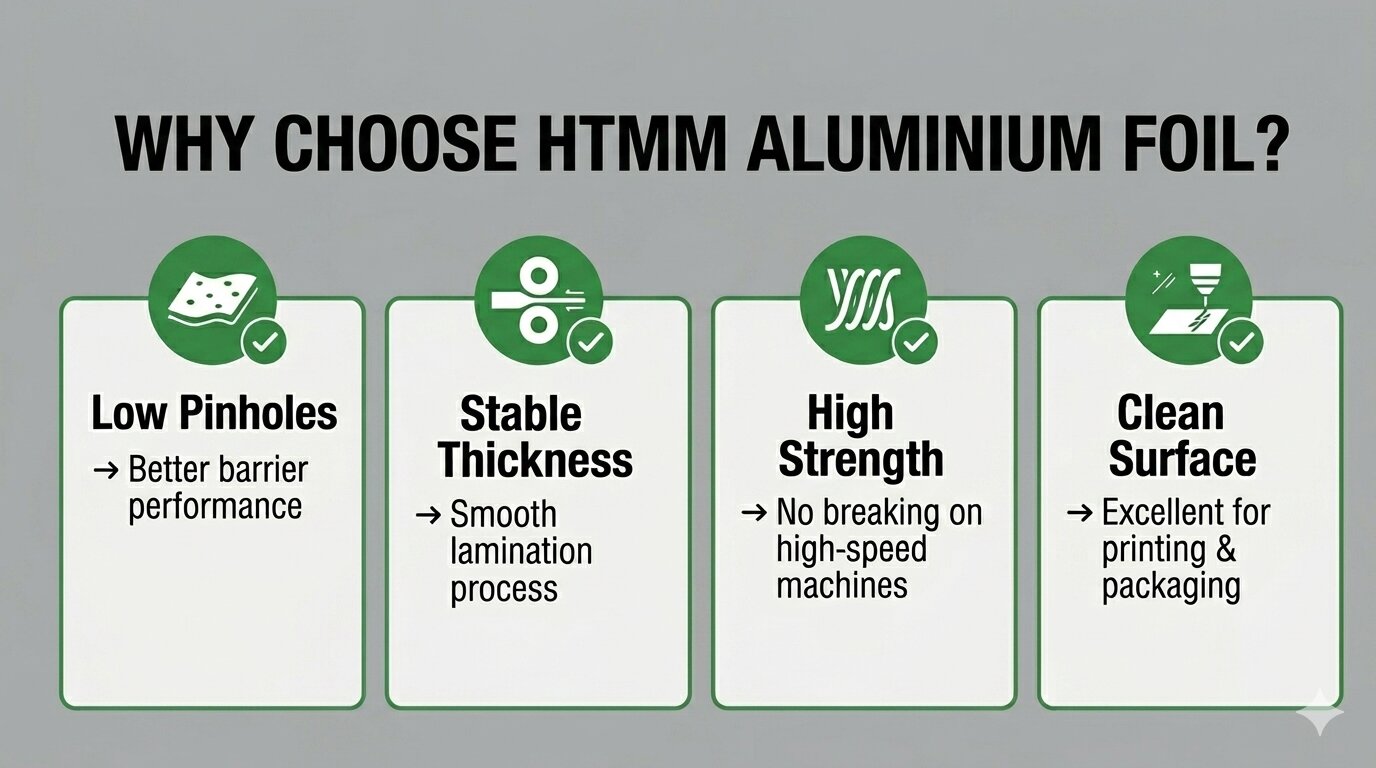
To buy 8011 Aluminium Foil, you need to master the clear points of purchase. Firstly, confirm the thickness, width, roller weight and other exact specifications depending on the use, and also distinguish the quality of the food quality; second, check the material composition to exclude low-quality products mixed with recycled materials; again, choose an 8011 aluminum foil roll supplier with full qualification and stable quality to make sure that the plate surface has no point holes, oxidation, and flatness meets the standard; finally, on the food scene, you need to choose the appropriate 8011 aluminum foil for food packaging, view the quality inspection report and make sure that the product safety meets the standard.